Tungsten scrap recovery helps manufacturers save valuable materials. It also cuts dependence on mining and supports a more sustainable supply chain.
Tungsten scrap and critical material recovery are becoming more important as industries look for steady supplies of valuable metals. Tungsten is used in manufacturing, engineering, aerospace, mining, and construction because it is hard, dense, and heat resistant. But making new tungsten needs mining and energy-heavy processing.
Recovering tungsten from industrial waste gives another source of material. It lets manufacturers reuse valuable resources and reduce the amount of scrap sent for disposal. Businesses that produce tungsten waste can help by spotting recyclable materials and setting up the right recovery route.
Why Tungsten Is an Important Critical Material
Tungsten is an important industrial metal because it works well in demanding conditions. Its high melting point, strength, and hardness make it useful where other metals wear out or lose performance.
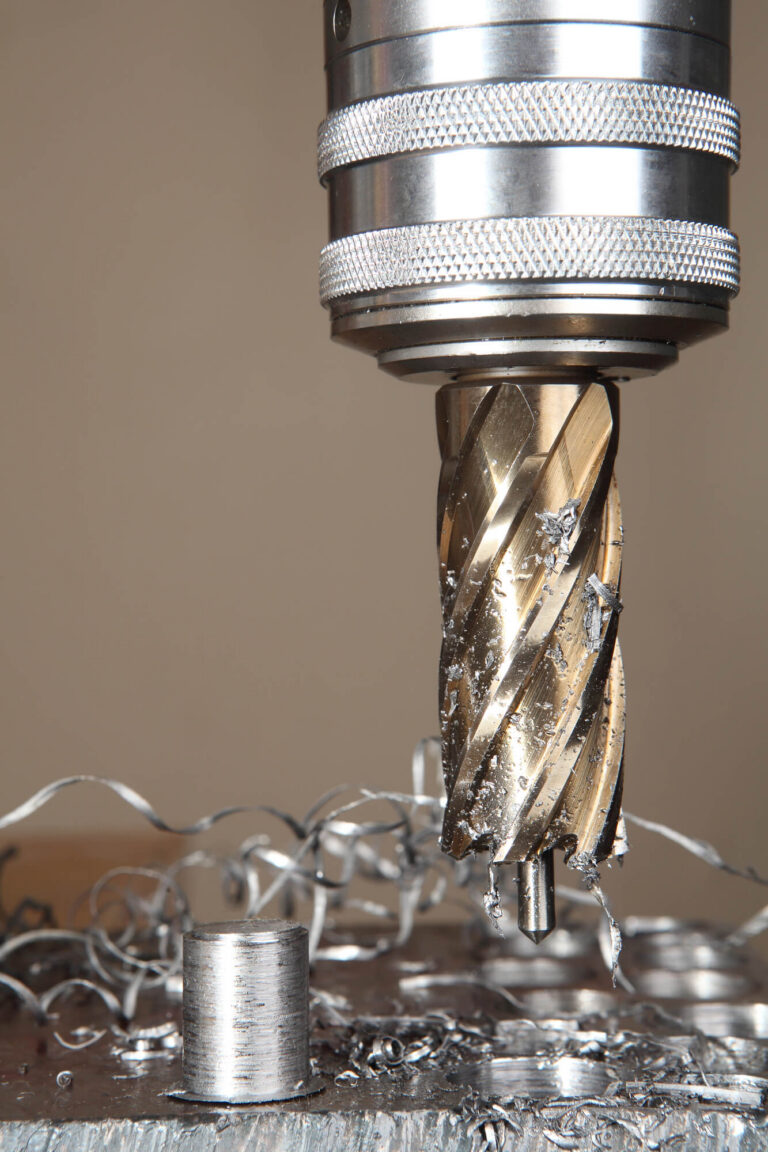
One common use is tungsten carbide. It is used to make cutting tools, drill bits, milling inserts, and wear-resistant machine parts. These products are important in engineering, metalworking, mining, and construction.
Tungsten is also used in special alloys, electrical parts, heating elements, and aerospace equipment. It matters because its properties are hard to replace in some jobs.
A concentrated supply chain is another risk. The British Geological Survey said global tungsten output fell 8% in 2024 from 2023. This shows why recycling and recovery matter.
Tungsten Scrap and Critical Material Recovery Statistics
Industry data show how much recycled tungsten can support supply chains.
- According to the International Tungsten Industry Association (ITIA), a global material flow study for 2016 found 37,500 tonnes of recycled tungsten going into production from a total input of 108,500 tonnes. That was a recycling input rate of about 35%.
- The same study estimated 29,000 tonnes of old scrap from end-of-life products. The estimated end-of-life recycling rate was 30%.
- A 2026 European Court of Auditors report says the EU recycling rate for tungsten is about 42%, using European Commission material data.
Even though these numbers cover different periods and methods, they show that recovered tungsten already supports industrial supply. Better collection, sorting, and processing can raise the amount of secondary material available.
Common Sources of Tungsten Scrap in Manufacturing
Tungsten scrap comes from many manufacturing and industrial jobs. Machining is a major source because tungsten carbide products are often used to shape metal parts.
Worn cutting tools, drill bits, milling cutters, and turning inserts may still hold usable tungsten even after they are no longer fit for use. Their job may be over, but the material can still have value.
Manufacturing also creates tungsten offcuts, rejected parts, and production waste. Aerospace and engineering firms may generate tungsten alloy waste from special equipment and precision parts.
Other sources include used electrodes, tungsten rods, bars, and spare industrial parts. Finding these materials helps businesses sort valuable scrap from general metal waste and improve recovery.
How Tungsten Scrap Is Recovered and Recycled
The tungsten recycling process starts with collection, identification, and sorting. Recyclers check the material to learn its makeup, condition, and tungsten content.
Sorting matters because tungsten carbide, pure tungsten, and tungsten-containing alloys may need different methods. If these materials are mixed with other metals, recovery becomes harder.
Once sorted, suitable scrap goes to specialist recycling plants. Two common recovery methods are zinc processing and chemical processing.
- The zinc process is often used for suitable cemented tungsten carbide scrap. It separates the cobalt binder from the carbide structure so the material can be made into reusable tungsten carbide powder.
- Chemical processing uses controlled treatment to recover tungsten from suitable scrap. The recovered material can be cleaned and turned into base compounds before it is made into tungsten powder.
The best method depends on the scrap type and condition. Both methods help return valuable tungsten to manufacturing supply chains.
Benefits of Critical Material Recovery for Businesses
Recovering tungsten gives businesses several benefits.
- Resource savings are a major benefit. Reusing existing material cuts the need to rely only on newly mined tungsten.
- Recovery also supports better resource use. Mining and refining take large industrial effort, while recycled material gives an extra supply source.
- There can also be financial gains. High-grade tungsten carbide scrap, used cutting tools, and clean manufacturing offcuts may still have material value after use. Keeping these materials apart from general waste can improve recovery.
- Another benefit is support for the circular economy. Instead of treating valuable metals as waste, businesses can send them back into production through the right recycling route.
How Businesses Can Improve Tungsten Scrap Recovery
Businesses can improve recovery by using clear waste sorting steps. Tungsten carbide cutting tools and other tungsten-containing materials should stay separate from unrelated metals when possible.
Clearly labelled storage bins can help stop valuable scrap from mixing with general manufacturing waste. Staff should also know which materials contain tungsten and how to handle them.
Tracking the amount and type of scrap produced can help businesses find ways to improve collection. Regular reviews of waste streams can also show where material is being lost.
Working with a specialist metal recycling provider can make the process easier. Professional collection and material checks help businesses manage industrial scrap and find the best recovery route.
Businesses can also explore tungsten recycling to learn how recovered materials can support responsible resource use.
The Future of Tungsten Scrap and Critical Material Recovery
Demand for reliable industrial materials makes tungsten recovery more important in modern manufacturing. As businesses focus on supply chain strength, resource savings, and responsible production, recycled tungsten can provide a useful secondary supply.
Better collection systems, sorting methods, and recycling technology may help increase the amount of tungsten recovered from industrial waste.
Manufacturers have an important role in this progress. By spotting recyclable materials, separating tungsten scrap, and arranging responsible collections, businesses can help keep valuable resources in use.
Tungsten scrap is more than unwanted manufacturing waste. It is a recoverable resource that can support industrial production, save raw materials, and help build a more circular economy.