Titanium waste comes from medical devices, aerospace manufacturing, and industrial equipment. Recovering suitable scrap helps conserve resources, reduce waste, and support sustainable manufacturing.
What Is Titanium Waste?
Titanium waste includes unwanted metal components, offcuts, machining residues, and products that have reached the end of their useful life.
Titanium is widely used because it combines strength, low weight, and excellent corrosion resistance. These properties make it suitable for demanding medical and industrial applications where durability and reliability are essential.
However, manufacturing titanium products can generate significant amounts of scrap. Recovering this material helps businesses reduce waste, conserve raw materials, and improve resource efficiency.
Titanium waste generally falls into two categories: manufacturing scrap and end-of-life material. Manufacturing scrap includes clean offcuts, machining chips, and rejected components. End-of-life waste includes discarded equipment, medical implants, and industrial parts.
Common Sources of Titanium Waste from Medical and Industrial Applications
Medical Applications
Titanium is widely used in healthcare because of its strength, corrosion resistance, and biocompatibility.
Common sources of medical titanium waste include orthopaedic implants, dental implants, surgical plates, screws, fixation devices and titanium surgical instruments.
Manufacturing medical devices can produce clean titanium scrap through machining, cutting and component finishing. However, implants removed after medical procedures require careful assessment because they may contain biological residues or other contaminants.
Titanium medical devices can therefore provide valuable recyclable material, provided that suitable handling and processing procedures are followed.
Industrial Applications
Industrial titanium waste is generated across several manufacturing sectors.
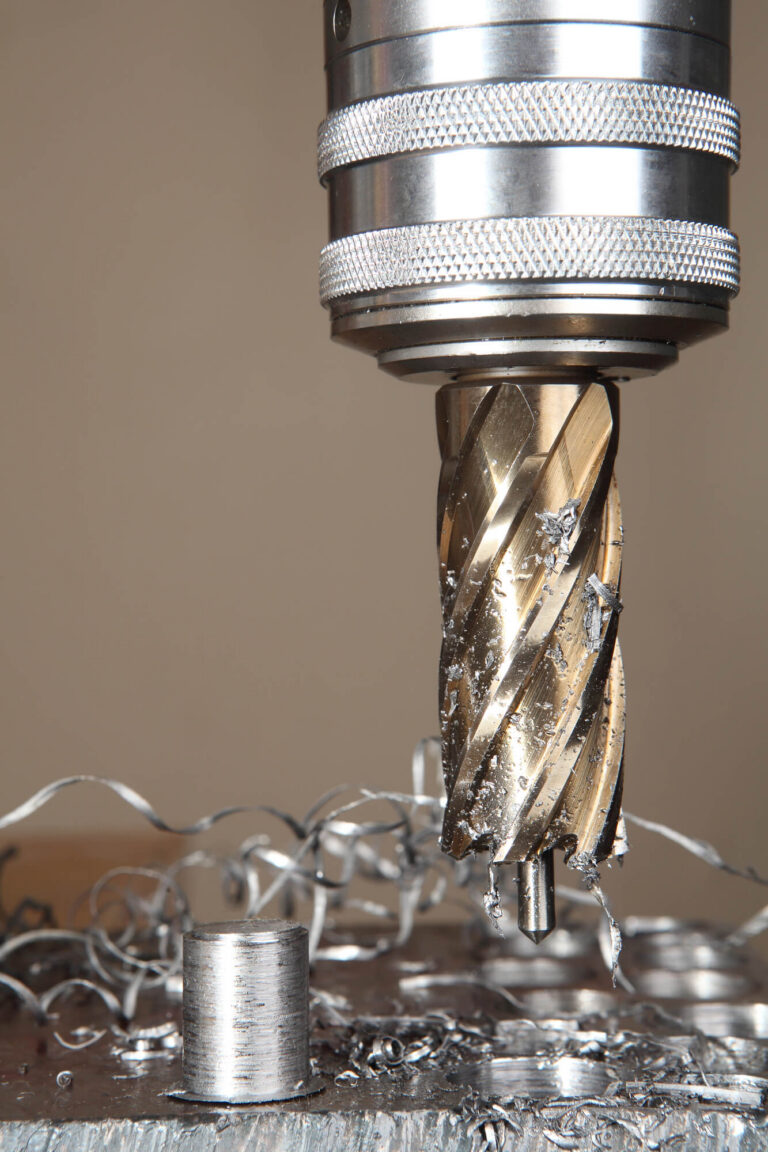
Aerospace manufacturers produce titanium scrap when machining aircraft components, engine parts and structural assemblies. Chemical processing facilities generate waste from titanium equipment, pipes, valves and corrosion-resistant components.
Other sources include marine engineering, automotive manufacturing, power generation and precision engineering.
Businesses may also generate titanium waste through maintenance, equipment replacement and the production of specialised metal components.
Why Titanium Waste Recovery Matters
Recovering titanium waste offers environmental and economic benefits.
Titanium production involves several energy-intensive processing stages. Recycling suitable scrap can reduce the demand for primary material production and help conserve natural resources.
The metal’s value also makes recovery attractive for businesses that generate consistent quantities of clean titanium scrap.
Rather than treating usable titanium as general waste, manufacturers can separate and recover it for appropriate recycling routes. This can improve resource efficiency, reduce disposal requirements, and support circular manufacturing.
Titanium Recycling Statistics and Industry Trends
Titanium recycling statistics demonstrate why material recovery deserves greater attention.
Titanium Recycling Statistics and Industry Trends
Titanium recycling statistics demonstrate why material recovery deserves greater attention.
Statistic | Reported figure |
Global primary titanium production | 13,870 thousand tonnes in 2022 |
Annual recycled share of global titanium supply | Approximately 30% |
Global end-of-life recycling rate | Less than 1% |
Aerospace titanium recycling rate | Approximately 80% |
Sources: European Commission Joint Research Centre, Material Insights and British Geological Survey-derived estimates.
These figures highlight an important distinction. Titanium recycling is well established for manufacturing scrap, but recovering metal from products that have reached the end of their useful life remains more challenging.
The European Commission’s titanium raw materials profile provides information on titanium production and recycling indicators.
The Material Insights titanium profile also explains how scrap quality, contamination and application affect recovery.
Statistics refer to different reporting years and measurement methods. They should not be treated as directly comparable recycling rates.
How Titanium Waste Is Recovered and Recycled
Collection and Identification
Titanium waste is collected from manufacturing facilities, medical equipment producers, and industrial operations.
Identifying the titanium grade is important because different alloys have different compositions and recycling requirements. Businesses should retain material records where available.
Sorting and Segregation
Titanium scrap is separated from other metals, plastics, and general waste.
Clean titanium offcuts should be kept separate from mixed or contaminated material. This improves the potential for high-quality recovery and reduces processing difficulties.
Contamination Removal
Scrap may require cleaning to remove oils, coatings, residues, and other unwanted materials.
Medical titanium components require particular attention because their previous use may introduce biological contamination. They should only enter an appropriate recovery process after suitable assessment and treatment.
Processing and Remelting
Suitable titanium scrap can be processed, melted and refined to produce material for further manufacturing.
Some recovered titanium may return to applications requiring similar material quality. Other scrap may be used in lower-specification products, depending on its composition and purity.
Reuse in Manufacturing
Recovered titanium can become feedstock for new metal products, engineering components, and industrial applications.
The final destination depends on the scrap’s grade, condition, and processing requirements.
Challenges in Medical and Industrial Titanium Recycling
Titanium recycling requires more than simply collecting metal waste.
Contamination can reduce the quality and value of recovered material. Medical residues, cutting fluids, coatings, and mixed metals may require additional treatment.
Alloy identification is another challenge. Titanium components can contain different alloying elements, making accurate sorting essential.
Specialist processing can also increase recovery costs. Some titanium scrap requires controlled melting and refining to meet demanding industrial specifications.
Finally, end-of-life recovery is limited by the long service life of many titanium products. Medical implants and aerospace components may remain in use for decades before becoming available for recycling.
How Businesses Can Reduce Titanium Waste
Businesses can improve titanium waste management by identifying where scrap is generated and separating it at source.
Manufacturers should keep titanium offcuts and machining residues in dedicated containers. Clear labelling and material records can help prevent contamination and improve recycling outcomes.
Reviewing manufacturing processes may also reduce unnecessary material loss. More efficient machining, improved cutting plans and careful inventory management can help businesses minimise scrap generation.
Working with a suitable titanium recycling service can help businesses identify appropriate collection, sorting and recycling routes for different titanium grades.
UK Regulations and Responsible Titanium Waste Management
Businesses handling titanium waste must assess how the material is classified and managed under applicable waste regulations.
Medical titanium waste may require additional controls depending on its contamination and previous use. Industrial titanium scrap should also be assessed to determine whether it contains hazardous substances or requires specialist handling.
In England, businesses should consult the Environment Agency’s healthcare waste guidance when managing relevant healthcare waste.
The GOV.UK waste management guidance provides further information on responsible waste handling and disposal.
Requirements may differ across England, Scotland, Wales and Northern Ireland, so businesses should check the regulations applicable to their location.
The Future of Titanium Waste Recovery
As demand for durable, lightweight and corrosion-resistant materials continues across medical and industrial sectors, titanium recovery will remain an important part of resource management.
Improved sorting, advanced recycling technologies and more efficient manufacturing processes could help recover additional titanium from complex waste streams.
For businesses, separating titanium scrap and establishing suitable recovery routes can support material efficiency, reduce waste and contribute to a more circular industrial economy.
Titanium waste from medical and industrial applications represents a valuable secondary resource. From surgical implants and medical devices to aerospace components and engineering offcuts, suitable titanium scrap can be recovered and returned to manufacturing.
Although contamination, alloy identification, and specialist processing present challenges, responsible collection and recycling can help businesses conserve resources and reduce unnecessary waste.