The most valuable scrap metals include copper, brass, aluminium, lead, stainless steel, nickel, and precious metals. Their value depends on purity, condition, grade, and market demand. Some materials get a higher price because they contain useful elements or are in strong demand in manufacturing.
Scrap metal recycling allows businesses to recover these materials instead of sending unwanted items for disposal. From electrical wiring and plumbing fixtures to construction materials and kitchen appliances, many common products contain metals that can be reused.
Understanding which scrap metals are most valuable can help businesses identify recyclable materials, improve waste separation, and recover more value from unwanted metal.
1. Copper: One of the Most Valuable Scrap Metals
Copper is one of the most valuable common metals in a scrap yard. It is widely used in electrical wiring, plumbing systems, motors, generators, and renewable energy equipment because it carries current well.
Clean copper pipes, stripped wires, and clean copper parts can get a higher price than mixed or insulated materials. However, the grade, thickness, and condition still affect the offer from a scrap yard.
Demand for copper stays strong because of electric vehicles, power networks, construction, and renewable energy projects. These industries need copper for electrical links and key equipment.
Separating copper from other scrap metals helps keep its quality high and makes recycling easier.
2. Brass: Valuable Because of Its Copper and Zinc Content
Brass is an alloy made mainly from copper and zinc. People commonly find it in plumbing fixtures, taps, valves, electrical fittings, musical instruments, and decorative products.
Its copper content helps raise its scrap value, making clean brass useful in metals recycling. Separated brass fittings and manufacturing offcuts are usually more desirable than mixed materials with plastic, steel, or other impurities.
Different brass grades have different makeups, which can change their market value. Businesses that create brass machining waste can improve recovery by keeping it apart from other metal waste.
3. Aluminium: Valuable for Its Recycling Potential
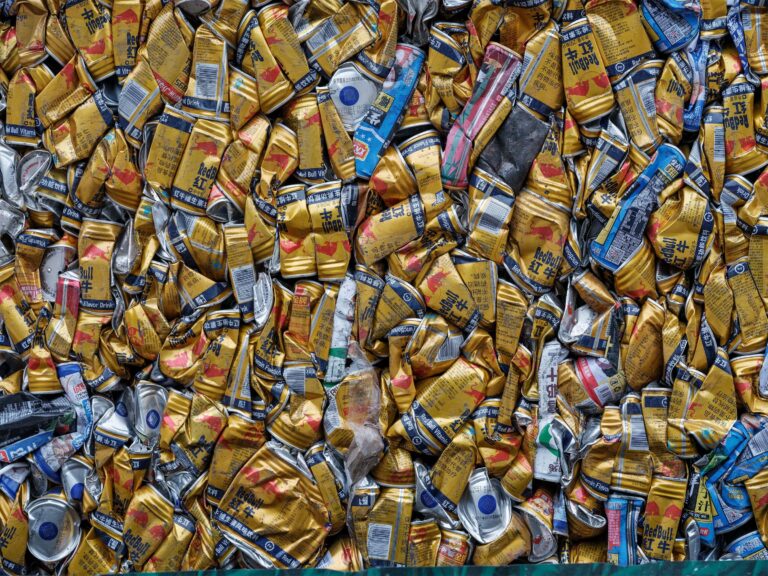
Aluminium is a widely recycled non-ferrous metal found in window frames, vehicle components, kitchen appliances, beverage cans, machinery, and construction materials.
Although aluminium often has a lower scrap value per tonne than copper, its recycling benefits make it commercially important. The International Aluminium Institute reports that recycling aluminium can save about 95.5% of the energy needed for primary aluminium production.
UK packaging statistics also show why aluminium recovery matters. According to Defra, 157,000 tonnes of aluminium packaging were recycled in 2024, representing a recycling rate of 65.9%.
Aluminium scrap prices depend on the alloy, thickness, cleanliness, and form. Clean aluminium extrusions and separated production offcuts are often more desirable than mixed or impure materials.
4. Lead: A Useful Metal from Batteries and Roofing
Lead is a dense metal recovered from vehicle batteries, roofing materials, cable sheathing, and industrial equipment. Its corrosion resistance makes it useful in some construction and industrial jobs.
Lead-acid batteries are an important source of recyclable lead. Specialist facilities can recover lead-bearing materials and turn them into new products, including replacement batteries.
However, lead can harm human health. It must be handled, stored, and processed with care, using proper waste management and specialist recycling facilities.
The value of lead scrap depends on purity, condition, material type, and current market demand.
5. Stainless Steel: Valuable for Its Alloy Content
Stainless steel is used in food processing equipment, commercial kitchens, construction, manufacturing machinery, and medical equipment. Its corrosion resistance comes from chromium, while some grades also contain nickel.
Nickel and chromium can influence scrap value. For example, 304 and 316 grades are often recovered because of their useful alloy mix.
Separating stainless steel from ordinary steel scrap is important when preparing materials for recycling. Different grades can bring different prices, so correct identification helps avoid lost value.
6. Steel Scrap and Iron: High-Volume Scrap Materials
Steel scrap and iron are among the most commonly recovered metals. They are found in vehicles, machinery, construction materials, household appliances, and industrial structures.
Although steel scrap usually brings a lower price per tonne than copper and brass, large recovery volumes make it important to the recycling industry.
Steel can be processed and reused in construction, vehicle manufacturing, and industrial production. Magnetic separation also makes many ferrous metals easier to identify and recover.
Defra reported that the UK recycled 379,000 tonnes of steel packaging in 2024, representing an 85.5% recycling rate.
7. Specialist Metals: Nickel, Zinc, and Precious Metals
Some specialist metals can achieve higher prices than common scrap materials, depending on their make-up and market conditions.
Nickel is used in stainless steel production, specialist alloys, and battery manufacturing. Zinc is commonly recovered from galvanised steel, roofing materials, and industrial parts.
Precious metals, including gold, silver, platinum, and palladium, can also be recovered from electronic equipment, catalytic converters, and specialist industrial parts. Their high market value makes recovery worthwhile, even in small amounts.
However, specialist metal recycling often needs advanced identification, separation, and processing methods. Their value depends on metal concentration, recovery costs, and demand.
What Factors Affect Scrap Metal Prices?
Scrap metal prices are shaped by several factors, not just the type of material being sold.
Metal grade and purity matter because clean, correctly identified materials are usually more desirable than mixed or dirty scrap.
Market demand also affects prices. Manufacturing, construction, renewable energy, and automotive industries all influence demand for copper, aluminium, nickel, and steel.
Quantity and preparation can also make a difference. Larger, well-sorted loads may be more attractive to recycling facilities because they are easier to process.
Impurities and processing costs can reduce scrap value. Materials with insulation, plastic, oil, or unwanted metals may need extra treatment.
Local scrap metal prices can also vary between recycling facilities because of transport costs, regional demand, and buying policies. Checking current prices before arranging a collection can help businesses make better decisions.
Why Is Scrap Metal Recycling Important?
Recovering valuable scrap metals helps conserve natural resources and reduces the need for primary metal production. It also supports manufacturing by providing other sources of raw materials.
The environmental benefits are especially important for aluminium. Recycling this material uses much less energy than producing primary aluminium from bauxite.
The UK also recovers large amounts of metal packaging. Defra reported that 536,000 tonnes of metal packaging were recycled in 2024, representing 78.7% of the reported total packaging waste under its updated method.
For businesses, separating metal waste can improve waste management, support recycling targets, and create chances to recover material value. Working with the right recycling partner also helps make sure that metals are handled well and returned to use.
Copper and brass are usually among the most valuable common scrap metals, while aluminium, lead, stainless steel, and specialist metals also offer strong recovery chances.
The actual value depends on purity, grade, quantity, and market demand. Correct identification and separation can help businesses improve recovery and make better use of unwanted materials.