Metals are essential raw materials for modern industry. They support construction, transport, electronics, and manufacturing
Gold, platinum, palladium, nickel, silver, copper, and aluminium are among the most successfully recovered metals worldwide. Their recycling performance depends on their value, availability, product design, and the effectiveness of collection systems. Understanding these differences helps businesses reduce waste, conserve raw materials and support a more sustainable approach to metal recycling.
Gold, platinum and palladium have high recycling rates because of their value. Steel, aluminium, copper and nickel also benefit from established recovery systems and strong industrial demand.
How Are Global Metal Recycling Rates Measured?
Global recycling rates measure how much discarded metal is recovered and returned to production. However, different measurements are used to assess recycling performance.
The end-of-life recycling rate measures the proportion of metal in discarded products that is actually recycled. Collection rates measure how much waste is gathered for processing, while recycled content describes the proportion of secondary material used in manufacturing new products.
These measurements are not interchangeable. Some collected materials are lost during sorting, separation, and processing before they can become usable secondary metals.
According to the International Energy Agency (IEA), metal recycling performance varies considerably depending on collection systems, market demand, and available processing technologies.
Which Metals Have the Highest Global Recycling Rates?
Gold
Gold has one of the highest global end-of-life recycling rates, estimated at approximately 85% in the IEA’s 2021 data. Its high market value makes recovery financially attractive, even when it is present in relatively small quantities.
Gold is commonly recovered from jewellery, electronic equipment, dental materials and investment products. Specialist recycling facilities use controlled processes to separate gold from other materials, particularly in electronic waste.
Recovering gold reduces the need for additional mining and helps retain valuable resources within manufacturing supply chains.
Platinum and Palladium
Platinum and palladium have estimated end-of-life recycling rates of approximately 60%. Both metals are valuable because of their industrial applications and limited natural availability.
They are widely used in catalytic converters, chemical processing equipment, electronics and specialist manufacturing. Their value encourages businesses to collect and process discarded components rather than dispose of them as general waste.
Recycling these metals also helps reduce reliance on newly extracted raw materials.
Nickel
Nickel has an estimated global recycling rate of approximately 60% in the IEA’s selected-metal dataset. It is an important material in stainless steel, industrial equipment, metal alloys and rechargeable batteries.
Its durability and ability to retain useful properties during recycling make it suitable for repeated industrial use.
However, recovering nickel from batteries requires specialist processing because battery components contain several different materials. Effective separation is necessary to produce secondary nickel suitable for manufacturing.
Silver
Silver has an estimated end-of-life recycling rate of approximately 49%. Its electrical conductivity, durability and industrial usefulness make it an important material across several sectors.
It is used in jewellery, electrical contacts, electronic equipment, solar technologies and specialist manufacturing applications.
Although silver has considerable recovery potential, recycling small quantities from complex products can be difficult. Better collection and processing systems can help prevent valuable silver from being lost in general waste.
Copper
Copper has an estimated global end-of-life recycling rate of approximately 45%. It is widely used in electrical wiring, plumbing, construction, industrial machinery and renewable energy equipment.
One of copper’s biggest advantages is that it can be recycled repeatedly without losing its essential properties.
Recovering copper from cables, motors, electrical equipment and manufacturing offcuts helps reduce demand for newly mined resources. Businesses can improve recovery by separating copper scrap from other metals and keeping materials uncontaminated.
Aluminium
Aluminium has an estimated end-of-life recycling rate of approximately 42% in the IEA’s 2021 selected-metal dataset.
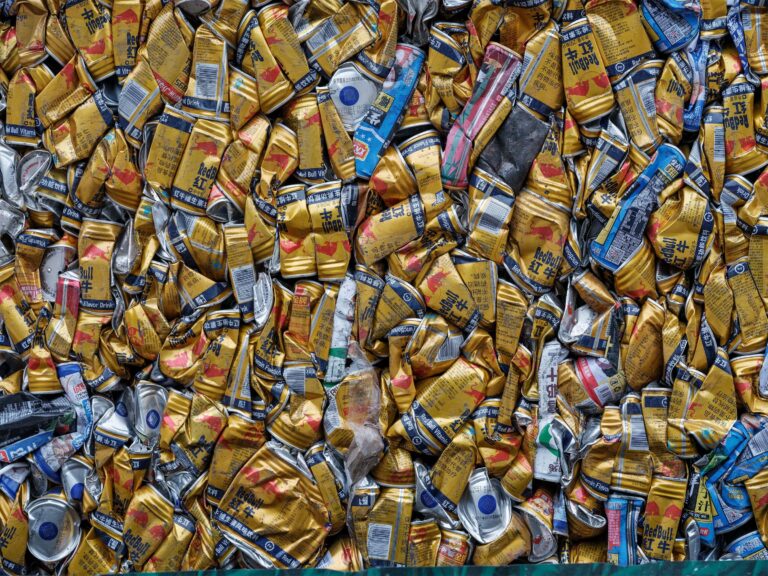
It is commonly used in transport, construction, packaging, electrical equipment and manufacturing. Its lightweight properties and corrosion resistance make it valuable across many industries.
Aluminium recycling also offers substantial energy savings. The International Aluminium Institute estimates that recycling aluminium requires around 5% of the energy needed to produce primary aluminium from bauxite.
However, recycling rates differ between product categories. Beverage cans, construction materials and industrial aluminium scrap have different collection and recovery systems.
Steel and Other Industrial Metals
Steel is another important material in global metal recycling. The OECD’s 2019 estimates placed the end-of-life recycling rate for ferrous metals at approximately 70%.
Steel is widely used in construction, automotive manufacturing, machinery and infrastructure. Its established scrap markets and large-scale collection systems support recovery across different industries.
Other recyclable metals include chromium, zinc, cobalt, magnesium and tungsten. Their recycling performance varies according to product applications, metal concentration and the availability of specialist recovery facilities.
Why Do Some Metals Have Higher Recycling Rates?
Several factors influence why certain metals are recycled more successfully than others.
Economic value is one of the biggest influences. Gold, platinum and palladium attract higher recovery investment because their market prices can justify specialist collection and processing.
Product design also matters. Metals used in large components, machinery and industrial equipment are often easier to identify and separate than small quantities contained within complex electronic products.
Established recycling infrastructure is another important factor. Steel, aluminium and copper benefit from developed collection networks, recognised scrap grades and consistent demand from manufacturers.
In contrast, some critical metals are difficult to recover because they are used in small quantities, combined with other materials or incorporated into products with long service lives.
How Businesses Can Improve Metal Recovery
Businesses can improve metal recycling by separating different materials before they enter general waste streams. Keeping aluminium, copper, nickel, brass and other metal grades separate can help maintain scrap quality and improve processing efficiency.
Proper storage also reduces contamination from plastics, oils and other unwanted materials. Clear labelling and accurate waste records make it easier to identify materials and arrange suitable recovery services.
Industrial businesses generating regular metal offcuts, machinery waste and redundant equipment can benefit from working with specialist recycling providers.
For example, dedicated aluminium recycling services help businesses recover valuable aluminium scrap and return suitable material to the manufacturing supply chain.
The Importance of Global Metal Recycling
Metal recycling plays an important role in conserving natural resources and reducing dependence on primary extraction. Recovering existing materials can reduce the environmental impact associated with mining, refining, and transporting newly produced metals.
The IEA’s 2026 Global Critical Minerals Outlook highlights the growing importance of recycling for future material supply. Under its current-policy scenario, average recycling rates across key energy minerals could increase from around 10% today to nearly 20% by 2040.
This demonstrates the importance of investing in collection systems, recovery technologies and better product design.
Gold, platinum, palladium, nickel, silver and copper are among the metals with the highest established global end-of-life recycling rates. Steel and aluminium also have important roles because of their widespread industrial applications and developed recovery markets.
Improving metal recycling requires effective collection, careful separation and access to suitable processing facilities. By recovering more valuable materials, businesses can reduce waste, conserve raw materials and support a more sustainable global manufacturing industry.