Metals are essential raw materials for modern industry. They support construction, transport, electronics, manufacturing and renewable energy. Some metals are produced on a far larger scale than others because they are easier to mine, useful in many industries and in high demand.
Iron, aluminium, copper, zinc, manganese and chromium are among the main materials in world metal output. Their volumes reflect the needs of infrastructure, manufacturing and engineering.
According to the USGS, global mineral data for 2025 shows the huge scale of raw material extraction. Iron ore output alone reached about 2.6 billion tonnes, while bauxite output reached around 440 million tonnes.
Knowing which metals are produced in the largest quantities helps show how industry depends on natural resources. It also shows why recycling matters for steady supply.
These are bulk industrial metals, not precious metals.
The Most Produced Metals Worldwide
Output varies widely. Iron-based materials lead industrial production, while aluminium and copper are also produced in large volumes.
It is important to separate mined ores from refined metals. Bauxite is the main ore for aluminium, while iron ore is processed into iron and steel. These are not the same measure.
1. Iron and Steel
Iron is the base of the global steel industry and is used in construction, cars, engineering and infrastructure.
Iron ore is mined in huge amounts before it is turned into iron and then steel. Steel is an alloy, not a pure metal, but it is still counted in large-scale metal output because it is so important.
According to the World Steel Association, worldwide crude steel production reached about 1.85 billion tonnes in 2025. China remained the largest producer, with about 961 million tonnes.
Steel is widely used in buildings, bridges, rail lines, machinery, vehicles and industrial equipment. Its strength and durability make it one of the most useful materials in the global economy.
2. Aluminium
Aluminium is another major world material. It is light, resists rust and can be recycled, which makes it valuable across many industries.
Aluminum constituted a major share of non-ferrous output in 2025. The main raw material for aluminium production is bauxite. USGS estimates put global bauxite mine production at about 440 million tonnes.
Aluminium is used in aircraft, vehicles, packaging, electrical gear, building materials and renewable energy systems. Makers often choose it when they need lower weight without losing strength.
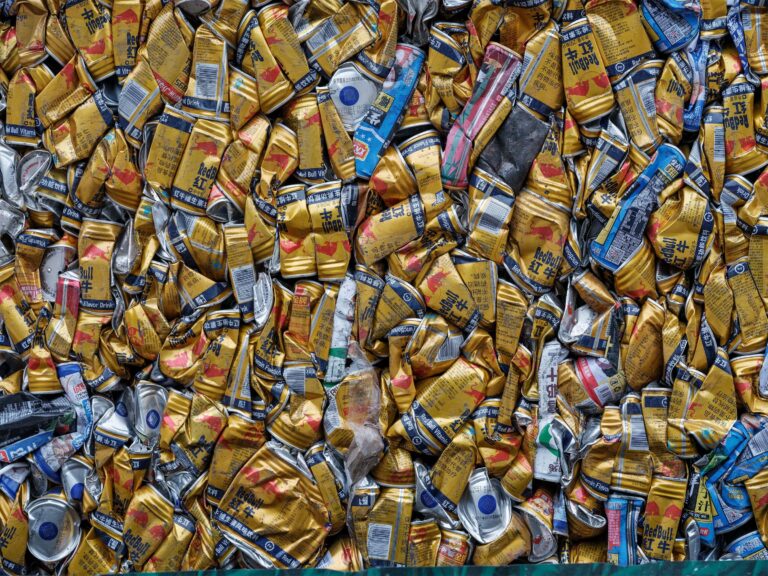
Aluminium recycling also has major environmental benefits. According to the International Aluminium Institute, recycling aluminium uses about 95% less energy than making primary aluminium from raw materials.
3. Copper
Copper is one of the most used industrial metals because it carries electricity and heat well.
Global copper mine production reached about 23 million tonnes in 2025, according to USGS-based mineral data.
Its uses include electrical wiring, power generation, telecoms, plumbing, electric vehicles and renewable energy systems.
Copper demand is especially strong as countries expand power grids and clean energy systems. Solar panels, wind turbines, charging stations and battery gear all need copper.
Because copper keeps much of its value after use, recovering it from cables, industrial equipment and manufacturing waste is part of the resource supply chain.
4. Zinc
Zinc is another important industrial metal, with global mine production estimated at about 13 million tonnes in 2025.
Its main use is to galvanise steel and iron so they resist corrosion. This makes zinc important in construction, cars, infrastructure and engineering.
Zinc is also used in batteries, die-casting alloys, roofing and many industrial products. Its protective role helps steel structures last longer and reduces the need for replacement.
Recycling zinc from galvanised steel, manufacturing scrap and other waste gives manufacturers another source of material.
5. Manganese
Manganese is an essential industrial metal, especially in steel production. It improves steel’s strength, hardness and durability while helping remove impurities during production.
World manganese ore production was about 20 million tonnes in 2025, according to USGS-based figures.
The steel production sector accounts for a large share of manganese use. It is also used in some battery technologies, chemical manufacturing and specialist metal alloys.
As global infrastructure and manufacturing grow, manganese remains an important raw material for steel production and industrial growth.
6. Chromium
Chromium is best known for its role in stainless steel. It improves corrosion resistance and helps materials stand up to hard industrial use.
Global production of chromium ores and concentrates was about 51 million tonnes in 2025.
Its main uses include stainless steel manufacturing, metal plating, specialist alloys and industrial equipment. Chromium is especially important in sectors that need materials to resist moisture, chemicals and high temperatures.
Recovering chromium-bearing scrap can help reduce the need for more raw material extraction.
7. Lead
Lead is another long-used industrial metal, with global mine production estimated at about 4.5 million tonnes in 2025.
Its main use is in lead-acid battery manufacturing. These batteries are widely used in vehicles, backup power systems, industrial equipment and energy storage.
Lead is also used in radiation shielding and some special industrial products.
Lead has an established recycling network. Used lead-acid batteries can be collected, processed and recycled to recover lead for new products. Proper handling is essential because lead is hazardous to people and the environment.
8. Nickel
Nickel is an important metal used in stainless steel, specialist alloys, plating and battery manufacturing.
Global nickel mine production reached about 3.9 million tonnes in 2025, according to USGS-based production statistics.
Its resistance to corrosion and ability to handle high heat make nickel valuable in tough industrial settings. It is also used in some electric vehicle battery chemistries, although not all battery types need nickel.
As demand for stainless steel, electric vehicles and energy storage grows, nickel remains important in global manufacturing supply chains.
Global Metal Production Statistics for 2025
The following figures show the different scales of global mineral and metal output.
Iron ore: Approximately 2.6 billion tonnes.
Bauxite (aluminium ore): Approximately 440 million tonnes.
Chromium ores and concentrates: Approximately 51 million tonnes.
Manganese ore: Approximately 20 million tonnes.
Zinc: Approximately 13 million tonnes.
Lead: Approximately 4.5 million tonnes.
Nickel: Approximately 3.9 million tonnes.
Copper: Approximately 23 million tonnes.
Source: USGS, Mineral Commodity Summaries 2026. Figures are approximate 2025 estimates.
These figures show why iron ore and bauxite hold such large positions in global extraction. They also show how bulk metals are produced on a much larger scale than precious metals. The output of each metal depends on its use, processing needs and industrial demand.
Which Countries Produce the Most Metals?
Metal production is concentrated in countries with large mineral reserves, long-running mines and big processing plants.
China is especially important in global manufacturing and metal processing. It was the world’s largest crude steel producer in 2025, with about 961 million tonnes.
Other major producers include India, Australia, Chile, Indonesia, Brazil and the Democratic Republic of Congo. Their output varies by metal.
For example, Chile and the Democratic Republic of Congo are major copper producers, while Australia and Brazil have large iron ore industries. Indonesia has also become a major nickel supplier.
The regional spread of production affects trade, raw material prices and the availability of metals for manufacturers.
Why Is Global Metal Production Increasing?
Global metal output is shaped by population growth, industrial growth, new technology and investment in infrastructure.
Construction remains a major source of demand for iron, steel, aluminium and copper. Growing cities need buildings, transport networks, power systems and industrial sites, all of which use large amounts of raw material.
The shift to renewable energy is also raising demand. Solar panels, wind turbines, electric vehicles and power grids need copper, aluminium, nickel and steel.
Data centres and telecoms infrastructure are creating more demand for electrical parts, cables and specialist metals.
However, higher output also brings challenges. Mining uses energy, water and land, while mineral processing can create emissions and industrial waste. This makes efficient resource use and material recovery even more important.
Why Metal Recycling Matters for Global Supply
Making metals from newly mined raw materials takes a lot of energy and natural resources. Recycling offers another path by recovering usable materials from used products, industrial equipment and manufacturing waste.
Metals such as aluminium, copper, steel, brass, lead and nickel can be recovered and sent back into manufacturing supply chains.
For example, recycled copper can become new electrical products, while recovered aluminium can be used in packaging, vehicle parts and construction materials.
Metal recycling also cuts the amount of industrial waste sent to disposal and reduces dependence on newly mined resources. For manufacturers, recovered metals support resource efficiency and better material supply.
As global demand keeps growing, recycling will remain a key part of a more sustainable metals industry.
Businesses that generate metal offcuts, old machinery and industrial scrap can support this process by making sure suitable materials are collected, sorted and sent to the right recycling plants.
Iron-based materials dominate industrial production, with steel production reaching about 1.85 billion tonnes in 2025. Aluminium, copper, zinc, manganese, chromium, lead and nickel also play major roles in manufacturing and infrastructure.
These materials support key industries, including construction, transport, engineering, electronics and renewable energy.
As demand for raw materials continues, recovering valuable metals from industrial waste and end-of-life products will be more important for manufacturing and for easing pressure on natural resources.