Old electric motors contain recyclable copper, steel, iron, and aluminium. Specialist recycling recovers these materials for reuse.
What Metals Can Be Recovered from Old Electric Motors?
Understanding what metals can be recovered from old electric motors helps businesses identify valuable materials in redundant equipment. Electric motors power industrial machinery, pumps, ventilation systems, manufacturing equipment and household appliances. When these units stop working or become obsolete, their components can often be processed through specialist recycling.
Most conventional electric motors contain copper windings, steel or iron components and a metal housing. Some also contain aluminium, brass, stainless steel and other metals, depending on their design and application.
Through electric motor recycling, businesses can recover these resources rather than sending valuable metal scrap for disposal. The exact materials and quantities depend on the motor’s construction, size, and condition.
1. Copper From Old Electric Motors
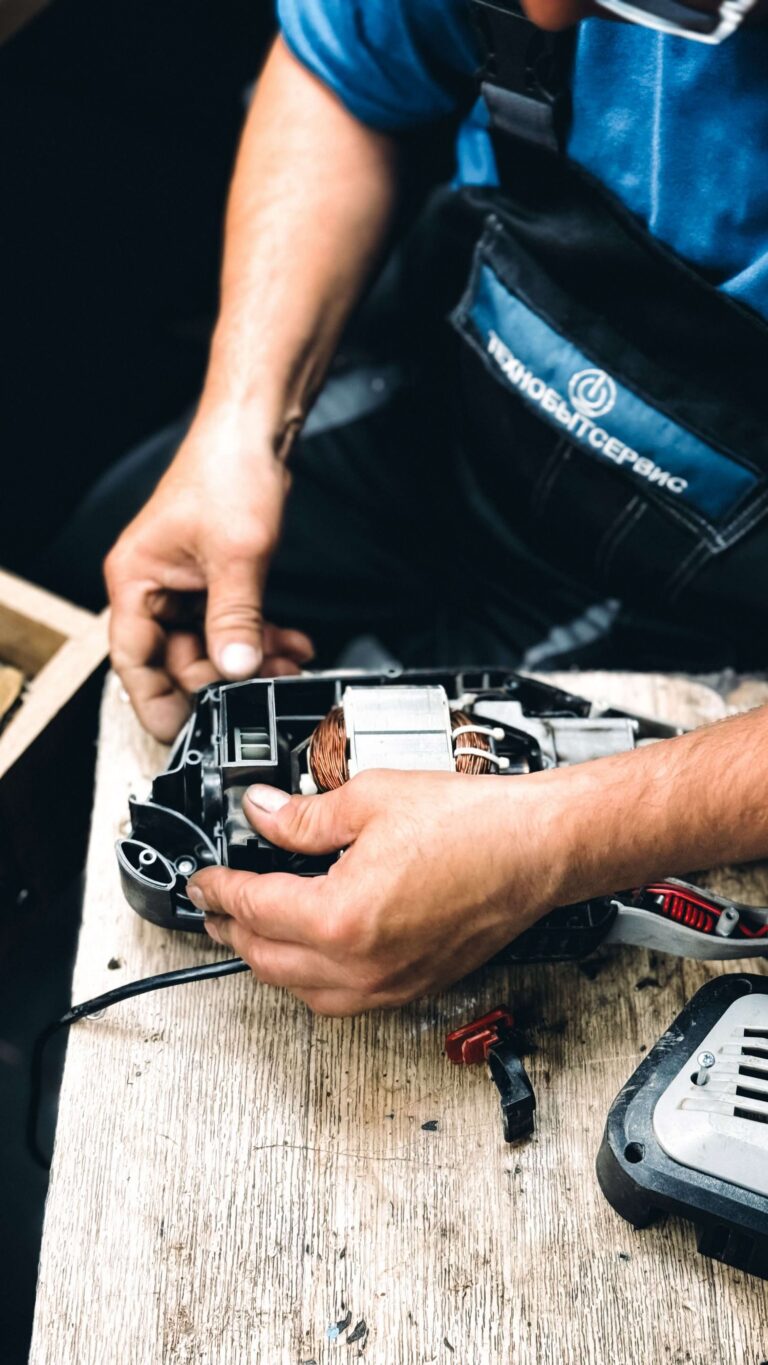
Copper is one of the most valuable metals commonly recovered from old electric motors. It is usually found in the windings that conduct electricity and create the magnetic fields required for the motor to operate.
Manufacturers use copper because it offers excellent electrical conductivity, durability and recyclability. Once recovered and processed, copper can be used in electrical cables, wiring, electrical equipment and other industrial products.
The quantity of copper varies between motors. Large industrial units may contain substantial copper windings, while smaller motors from household appliances generally contain less. The ease of separating the windings also affects the recycling process.
Recovering copper helps conserve resources and supplies manufacturers with material that can be processed into new products.
2. Steel and Iron in Electric Motors
Steel and iron provide strength and structural support in many electric motors. They may be present in the motor shaft, internal core, fasteners and outer casing.
Many industrial motors use cast iron housings, while other designs contain steel components. These ferrous metals are widely recycled and can be separated from non-ferrous materials using magnetic equipment.
After collection and sorting, recovered steel and iron can enter established metal processing and manufacturing supply chains. Recycling these materials reduces demand for newly extracted resources and helps businesses manage industrial scrap more responsibly.
3. Aluminium From Motor Housings
Aluminium is another recyclable material found in many electric motors. It is commonly used in housings, end covers and cooling fins because it is lightweight, corrosion-resistant and conducts heat effectively.
During recycling, aluminium components are separated from other metals and prepared for further processing. The recovered material can then be melted and used to manufacture new products.
Not every motor contains aluminium. Some use cast iron or steel housings instead, so recyclers assess the equipment before determining which materials can be recovered.
Keeping aluminium separate from incompatible materials can improve scrap quality and support more efficient processing.
4. Brass and Stainless-Steel Components
Certain electric motors also contain brass and stainless steel. Brass may appear in terminals, connectors, and fittings, while stainless steel can be used in selected fasteners, shafts or specialist components.
These metals are not present in every motor, and their quantities depend on the equipment’s design. However, separating them correctly helps prevent valuable materials from being mixed with other scrap grades.
Brass and stainless steel both have established recycling applications. Their recovery allows useful materials to re-enter manufacturing rather than being unnecessarily discarded.
5. Other Metals in Specialist Electric Motors
Some specialist electric motors contain additional metals. Permanent-magnet motors, for example, may use magnets containing rare-earth elements such as neodymium. Certain components or alloys may also contain nickel or zinc.
These materials are not found in every motor, and recovering them can require specialist equipment and processing methods. Their recovery depends on the motor’s construction, the quantities present, and the available recycling technology.
For this reason, professional assessment is important when dealing with unfamiliar or specialised equipment. Recyclers can identify the main material types and determine the most appropriate recovery route.
How Does Electric Motor Recycling Work?
Electric motor recycling begins with collection, inspection, and sorting. Recyclers assess the motors according to their type, size, condition, and composition. Units suitable for repair may be refurbished, while damaged or obsolete equipment can proceed to material recovery.
During processing, motors are dismantled or mechanically treated to separate their main components. Copper windings are removed using suitable methods, and magnetic separation can help isolate iron and steel. Aluminium, brass and other non-ferrous metals are sorted separately where practical.
The recovered metals are then prepared for onward processing. Insulation, plastics, oils and other non-metal components must also be handled appropriately.
Safe dismantling requires suitable equipment and procedures, particularly where motors contain contaminated parts or other materials that need special handling.
Why Is Recycling Old Electric Motors Important?
Recycling old electric motors helps businesses recover useful materials from redundant machinery. It can reduce disposal volumes, conserve natural resources and support more efficient material use.
Copper, aluminium, steel and iron all have established recycling routes. Separating these materials correctly can improve scrap quality and help ensure that each metal reaches a suitable processor.
Manufacturers, engineering companies, maintenance contractors and facilities managers can benefit from including motor recycling in their waste management procedures. Businesses replacing machinery can arrange electric motor recycling to help recover materials from redundant equipment.
Responsible Electric Motor Disposal in the UK
Businesses should use appropriate waste contractors and meet their applicable waste management responsibilities when disposing of unwanted electric motors. Depending on the equipment and circumstances, waste electrical and electronic equipment requirements may apply.
The UK Government provides guidance on waste electrical and electronic equipment regulations. Businesses should check the requirements relevant to their location because regulatory arrangements can differ across the UK.
Motors should not be dismantled without appropriate training, equipment and safety precautions. Specialist recycling helps ensure that recoverable metals are separated and remaining waste is managed responsibly.
Old electric motors commonly contain copper, steel, iron and aluminium, while some designs also include brass, stainless steel and specialist metals. The materials recovered depend on the motor’s construction and the recycling methods available.
Choosing appropriate electric motor recycling helps businesses recover valuable resources, reduce waste and manage redundant equipment responsibly.