Metal recycling facilities use several tests to identify metals, measure their chemical makeup, and check quality. Common methods include visual inspection, magnet testing, X-ray fluorescence (XRF), optical emission spectroscopy (OES), laser-induced breakdown spectroscopy (LIBS), and lab analysis.
Accurate metal identification helps recyclers sort different alloys, stop mix-ups, and supply manufacturers with suitable secondary raw materials. It matters most when they handle mixed scrap metal with stainless steel, copper, aluminium, brass, and other specific materials.
Even metals that look alike can have very different chemical makeup. Testing helps recycling facilities spot those differences before material moves to the next step in the metal recycling process.
Why Do Recycling Facilities Test Metal Grades?
Recycling facilities test metal grades to confirm the type, makeup, and quality of incoming material. Different alloys contain different amounts of elements, and that changes their strength, durability, corrosion resistance, and use in manufacturing.
For example, stainless steel 304 and 316 can look almost the same. But 316 contains molybdenum, which improves resistance to some kinds of corrosion. Spotting these differences helps prevent unsuitable alloys from being mixed together.
Testing also helps facilities meet market demand for specific metal grades. Manufacturers who buy recycled material need steady chemical makeup to make reliable parts and finished products.
Global demand for recycled metals makes accurate identification even more important. Recycling businesses must keep quality high while recovering valuable materials from industrial waste, construction items, and discarded equipment.
1. Visual Inspection and Initial Metal Identification
Visual inspection is often the first step when scrap metal arrives at a facility. Workers check colour, shape, surface condition, and marks to guess the metal type.
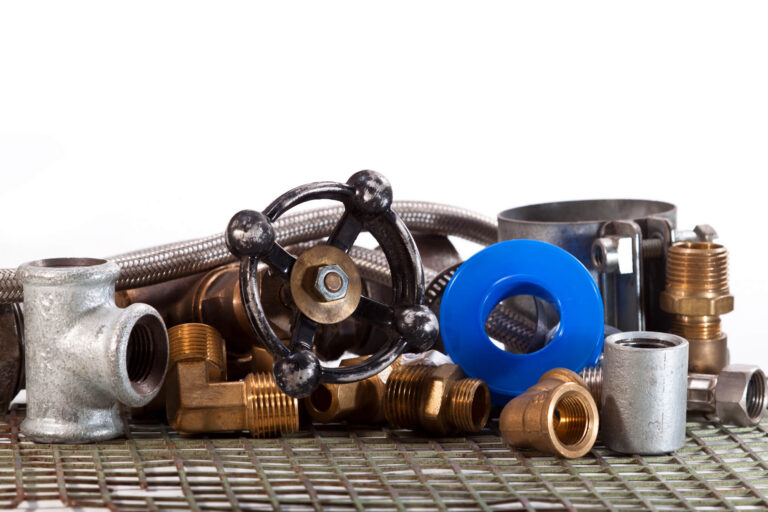
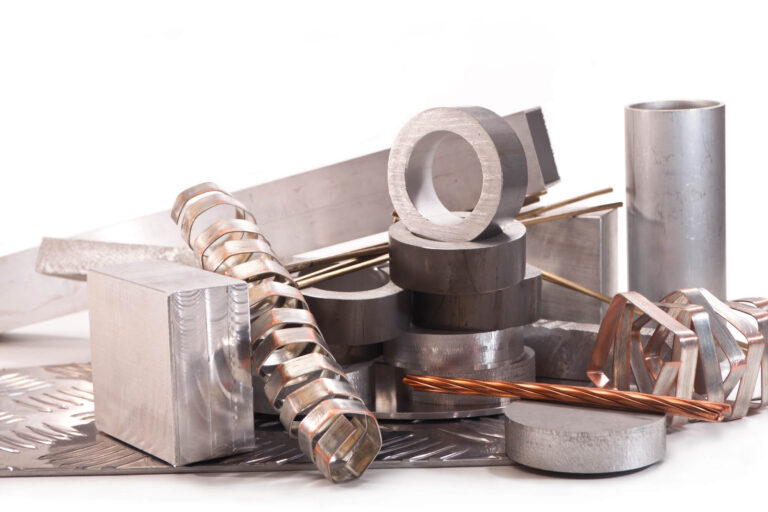
Copper wire often has a reddish-brown look, while aluminium is usually silver-grey. Yellow brass is easy to spot by its golden-yellow colour and is common in brass fittings, valves, and plumbing parts.
Workers may also inspect window frames, steel beams, and cast iron parts to identify the likely material.
However, visual inspection cannot confirm an exact grade. Different alloys can look alike, and paint, coatings, or corrosion may hide the original metal.
For that reason, facilities combine visual checks with specialist testing equipment for more reliable results.
2. Magnetic Testing for Ferrous and Non-Ferrous Metals
Magnet testing is a simple way to separate some metals during recycling.
Ferrous metals contain iron and include many types of steel and cast iron. These materials are usually attracted to standard magnets, so magnetic separation helps recover them from mixed waste streams.
Non-ferrous metals, including aluminium, copper, brass, and zinc, are usually not attracted to standard magnets.
However, magnet testing cannot confirm an exact metal grade. Some stainless-steel grades, especially austenitic types such as 304 and 316, are usually non-magnetic when annealed. Cold working can also make them slightly magnetic.
So magnet testing is mainly for first sorting, not for checking chemical makeup.
X-Ray Fluorescence (XRF) Metal Testing
XRF is one of the most common tools for identifying metal grades in recycling facilities.
A handheld XRF analyser uses X-rays to examine a metal sample’s elemental makeup. When the material is hit by X-rays, its elements give off fluorescent signals. The analyser measures these signals to identify the elements present and estimate their levels.
The results help operators tell different alloys apart without sending every sample to a lab.
For example, XRF can identify stainless steel grades by measuring chromium, nickel, and molybdenum. This is useful when telling stainless steel 304 from 316.
XRF equipment can also analyse copper alloys, aluminium alloys, nickel alloys, and other non-ferrous materials. It gives fast results and lets workers test materials right at the recycling facility.
However, XRF has limits. It does not reliably measure carbon, which is important for some steel grading. Surface dirt, coatings, and poor sample prep can also affect readings.
For this reason, recycling facilities may use extra tests when they need more detailed chemical data.
3. Optical Emission Spectroscopy (OES)
OES is another important method used to find the chemical makeup of metals.
Unlike handheld XRF equipment, OES can measure carbon and other elements that matter for steel grading.
During testing, a technician applies an electrical spark to a prepared metal surface. This excites the atoms in the sample and makes them emit light at specific wavelengths.
The instrument analyses the light to identify the elements present and measure their levels.
OES is especially useful for carbon steel, stainless steel, and other specialist alloys. It can help distinguish between materials with similar chromium and nickel content but different carbon levels.
The results let recycling facilities check whether a material meets the chemical needs of a particular grade.
However, OES usually needs a clean, prepared surface and specialist equipment. It takes more work than a quick handheld XRF check.
4. Laser-Induced Breakdown Spectroscopy (LIBS)
LIBS is another technology used for metal identification and sorting.
It uses a high-energy laser pulse to remove a very small amount of material from the surface. This creates a plasma that gives off light as it cools.
An analyser studies the emitted light to identify the elements in the sample.
LIBS is especially useful for different steel grades and alloys where carbon measurement matters. It can help recycling facilities tell apart certain stainless-steel grades with similar chemical makeup.
The technology can also support automated sorting, helping facilities identify and separate materials more efficiently.
However, surface coatings, dirt, and sample condition can affect the results. Good testing methods are needed to keep accuracy high.
5. Chemical Examination and Laboratory Testing
Some metal samples need more detailed analysis than handheld tools can provide.
In these cases, recycling facilities may send samples to specialist laboratories for chemical composition testing.
Labs can measure individual elements and check whether a material meets the needs of a specific alloy grade. Depending on the material, they may use methods such as inductively coupled plasma optical emission spectroscopy (ICP-OES).
This method analyses a prepared sample and gives detailed information about its elemental makeup.
Laboratory testing is especially useful for high-value alloys, specialist industrial scrap, and materials that need strict quality control.
It can also help explain unexpected results from initial tests.
Although laboratory analysis gives detailed data, it usually takes longer than on-site testing. Facilities often combine fast identification methods with lab checks when needed.
6. Testing Metal Purity and Finding Mix-ups
Identifying the main metal is only one part of the grading process. Recycling facilities must also check for unwanted substances.
These can include other metals, mixed alloys, paint, oil, grease, plastic, rubber, dirt, and surface coatings.
These materials can hurt the quality of recovered metals and make processing harder.
For example, mixing different aluminium alloys can change the chemical makeup of the final material. Likewise, unwanted copper in some steel recycling streams can affect the properties of newly made steel.
Facilities use visual checks, mechanical separation, and chemical testing to find unsuitable materials.
The testing needs depend on the scrap type, its end use, and the buyer’s specs.
How Are Metal Grades Recorded and Verified?
After testing, recycling facilities record the results to keep good material identification and quality control.
Records may include the metal type, alloy grade, chemical makeup, weight, and any residue found. Facilities may also record the equipment used and the results for each batch.
This information helps businesses keep incoming scrap and outgoing recycled materials consistent. It also helps manufacturers check whether recovered metals meet their buying specs.
In the UK, waste sorting must also be considered separately from alloy grading. The Environment Agency requires businesses to sort waste before it is collected, recovered, or disposed of.
Identifying a metal grade does not automatically mean the material has reached end-of-waste status. The right legal rules and quality checks must also be considered.
Statistics: Why Accurate Metal Testing Matters
Metal recycling plays an important role in the UK’s manufacturing and resource recovery sectors.
According to the British Metals Recycling Association (BMRA), the UK metals recycling industry processes around 11.6 million tonnes of ferrous and non-ferrous metals each year. The wider industry is worth about £7 billion, includes around 2,000 businesses, and employs about 15,000 people.
Defra’s UK packaging statistics also show the scale of metal recovery. In 2024, around 682,000 tonnes of metal packaging waste arose in the UK, and 536,000 tonnes were recycled. That was a recycling rate of 78.7%.
Aluminium packaging made up 238,000 tonnes of waste, with 157,000 tonnes recycled. Steel packaging made up 444,000 tonnes, and 379,000 tonnes were recycled.
These figures show why reliable material identification and sorting matter. Accurate testing helps recycling facilities recover suitable materials and supply manufacturers with steady secondary raw materials.
What Happens If Someone Assigns the Wrong Grade to Metal?
Wrong metal identification can cause problems across the recycling supply chain.
If different alloys are mixed together, the final material may not meet the chemical specs needed by manufacturers. This can lower the value of recovered scrap and raise processing costs.
For example, stainless steel with higher molybdenum content may be mixed by mistake with a different stainless-steel grade. This changes the makeup of the blended material and can affect its use in specific manufacturing jobs.
Wrong grading can also lead to rejected deliveries, extra sorting work, and delays.
Accurate testing before processing and dispatch helps recycling facilities cut these risks and keep metal buyers confident.
How Do Recycling Facilities Choose the Right Testing Method?
The testing method depends on the type of metal, the accuracy needed, and the amount of material being processed.
Visual inspection and magnetic testing are useful for first sorting and for separating large amounts of scrap. XRF is good for quick identification of many alloy grades, especially stainless steel and non-ferrous metals.
OES gives more detailed chemical analysis, including carbon measurements, while LIBS can help identify and sort different alloys.
Laboratory testing is the right choice when detailed verification is needed.
In practice, many facilities use several methods. Using different testing tools gives a better view of material makeup than relying on one test alone.
Recycling facilities test metal grades using visual inspections, magnet testing, XRF analysers, OES equipment, LIBS technology, and laboratory analysis.
Each method gives different information about metal identity, chemical makeup, and quality. Using these techniques together helps recyclers tell apart similar alloys, find mix-ups, and keep material standards consistent.
Accurate metal grade testing helps recover valuable materials and allows manufacturers to get reliable recycled metals. It also supports efficient resource use and a stronger circular economy.