Businesses can manage waste motors by checking equipment, reusing parts, storing unwanted units safely, and arranging responsible electric motor recycling. These steps recover useful materials, reduce waste and support a stronger circular economy.
Managing waste motors is a key part of waste management for manufacturers, workshops, engineering firms and maintenance teams. When motors become damaged, slow or outdated, they can take up space and hold useful materials.
A clear management system helps businesses sort scrap, turn it into recycled materials and lower their environmental impact. It also makes disposal safer and easier to track.
Why businesses need to manage waste motors
Electric motors are used in pumps, conveyors, fans, machinery and plant equipment. Even at the end of life, they may still contain value.
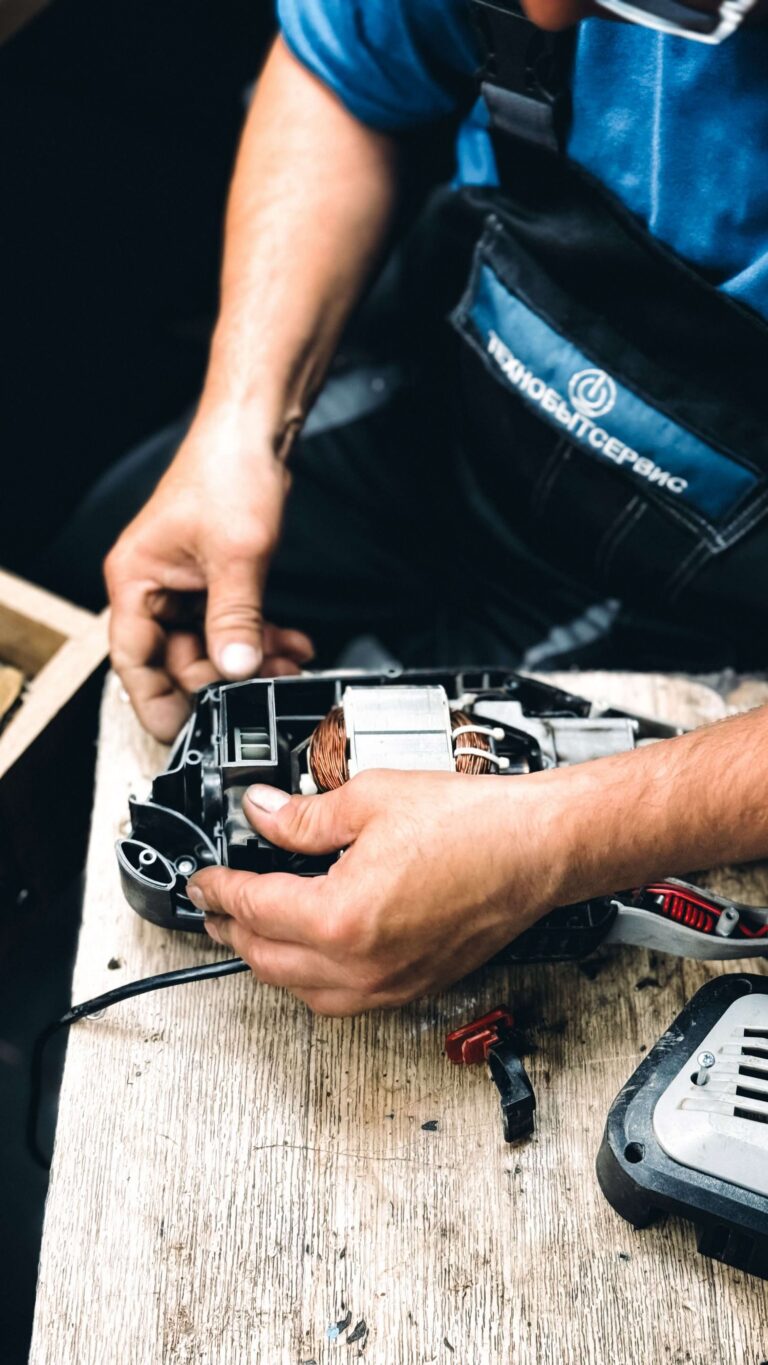
Depending on their design, motors may contain copper windings, steel casings, aluminium parts and other usable metals. Sending suitable motors to specialist recycling sites lets these resources enter new production instead of being thrown away needlessly.
Poor waste management can also create storage problems, raise handling risks and make records harder to keep. A clear management system helps staff find unwanted equipment, plan collections and keep good records.
Assess motors before disposal
First, inspect each motor and decide whether it can be repaired, refurbished, reused or recycled. Some units may only need a small fix.
Separate reusable equipment from damaged units and note the numbers removed. This helps teams make better choices and keeps useful items out of the waste stream too soon.
Separate motors from other waste materials
Keep unwanted motors apart from general rubbish whenever possible. Mixing motors with other waste materials can slow handling and make recovery less efficient.
A set collection area helps staff spot items that need assessment or recycling. Keep motor types sorted when this makes handling safer or recycling easier.
Do not strip motors without the right training, tools and steps. Specialist recyclers can explain how to prepare items safely.
Store waste motors safely
Safe storage protects staff, visitors and the site. Place motors on stable surfaces or suitable pallets in a place that does not block walkways, exits or normal work.
Large motors may need lifting gear because they are heavy. Staff should follow workplace handling rules and use the right kit when moving them.
Where motors contain oil, grease or other harmful substances, businesses should stop leaks and arrange proper handling. Storage areas should stay secure and easy for approved collection teams to reach.
Arrange electric motor recycling
Electric motor recycling allows suitable metals and parts to be recovered for later use. Copper windings can be especially valuable, while steel and aluminium may also be recovered, depending on the motor and the site’s process.
Businesses should speak with a suitable recycling provider to confirm accepted materials, collection amounts and transport plans. Ask how the motors will be processed and what paperwork will be provided.
For firms that produce waste regularly, planned collections can help prevent needless build-up. The best plan depends on scrap volume, storage space and collection needs.
Choose reuse and recycling over disposal
Reusing or refurbishing suitable motors can extend their life and reduce demand for new equipment. When repair is not practical, recycling is the next best option.
These choices support a circular economy, where products and materials stay in use for longer. Recovering metals can also create recycled materials for new products and reduce reliance on newly mined resources.
Understand UK waste management duties
Businesses must make sure waste is handled and passed on in the right way. Rules vary across England, Wales, Scotland and Northern Ireland, so companies should check the rules for their area.
In England and Wales, the waste duty of care says waste holders must manage waste responsibly and use approved parties. Some transfers need proper records, and hazardous waste may need extra controls.
Businesses should check whether unwanted motors contain anything that needs special handling. They should also confirm the rules before arranging transport or disposal.
Read the UK Government’s waste duty of care guidance for more on safe waste handling and transfer.
Benefits of responsible waste motor management
A steady waste management process can improve site order, support material recovery and reduce avoidable disposal. Good records also help businesses track removed equipment and spot ways to improve resource use.
Recovering metals can provide feedstock for manufacturing and other industrial uses. Depending on metal prices, motor condition, processing costs and collection plans, businesses may also receive value for suitable scrap.
These benefits support environmental goals and show responsible resource use.
Improve your waste motor management system
Businesses can make waste motor management better by building disposal into regular maintenance. Staff should know where unwanted motors go, how to report damaged units and who to contact for collections.
Recording collection dates, quantities and the receiving provider gives a clearer view of waste generation. Reviewing these records can show repeat problems, improve storage and help reduce waste over time.
Working with the right recycling provider can also make collection planning and material recovery easier.
Managing waste motors well depends on safe storage, careful checks, responsible collections and proper recycling. Reuse where possible, and recover useful metals when repair is not practical. This helps cut waste and supports a more sustainable circular economy.
With a reliable management system, businesses can improve waste management, protect resources and lower their environmental impact.