What Happens to Damaged Industrial Motors?

Damaged industrial motors can be repaired, refurbished, or dismantled for recycling. Recovering valuable metals helps businesses reduce waste and conserve resources.

What Happens to Damaged Industrial Motors When They Stop Working?

Businesses must decide whether to repair, refurbish, or recycle equipment that can no longer operate efficiently. Industrial motors are essential in manufacturing plants, processing facilities, pumps, and conveyor systems. However, continuous operation, wear and tear, and electrical problems can eventually lead to motor failure.

Instead of disposing of damaged equipment immediately, businesses can arrange an assessment to identify reusable components and recoverable materials. Choosing the right approach can help extend the lifespan of suitable equipment, prevent unnecessary waste, and reduce the environmental impact of industrial operations.

Why Do Industrial Motors Become Damaged?

Industrial motors operate under demanding conditions and often run for long periods. Exposure to excessive heat, vibration, dust, and moisture can gradually affect their performance.

Overheating is a common cause of damage because high temperatures can weaken the insulation surrounding electrical windings. This may result in electrical faults and short circuits. Bearing wear can also increase friction, create unusual noise and affect the smooth operation of the motor.

Other causes include damaged shafts, corrosion, poor lubrication, electrical supply problems and inadequate maintenance. Some faults develop gradually, while others cause sudden motor failure.

Identifying the cause of damage is important because it helps businesses determine whether repairing the equipment is practical or whether recycling is the better option.

What Happens to Damaged Industrial Motors During Inspection?

The first stage is usually a condition assessment. A qualified technician or specialist examines the motor to establish the extent of the damage and identify components that may still be usable.

The inspection can include checking the motor housing, shaft, bearings, electrical connections, cooling system and internal windings. Electrical testing may also identify insulation problems and other faults.

The results help determine whether the motor can be repaired, refurbished or dismantled for material recovery. A motor with worn bearings or minor electrical problems may be suitable for repair, whereas extensive corrosion or severe winding damage could make restoration uneconomical.

Businesses should consider repair costs, replacement prices, equipment age and the availability of spare parts before making a decision.

Can Damaged Industrial Motors Be Repaired or Refurbished?

Not every damaged industrial motor needs replacing. Repairing suitable equipment can extend the lifespan of machinery and reduce the need to purchase new components.

Common repair work includes replacing worn bearings, repairing electrical connections, cleaning internal components, and rewinding damaged stators. Rewinding involves removing damaged winding material and installing new insulated copper wire to restore electrical performance.

Refurbishment may also involve replacing seals, repairing cooling systems and restoring external components. Once the work is complete, the motor should undergo appropriate electrical and operational testing before returning to service.

However, repair is not always the most economical choice. If a motor has extensive internal damage, significant corrosion, or multiple failed components, recycling may provide a more practical solution.

What Happens to Damaged Industrial Motors During Recycling?

When a motor cannot be repaired or reused, it can be dismantled at a suitable recycling facility. The process separates different materials so they can enter appropriate recovery streams.

The motor is prepared for dismantling, with electrical connections disconnected and the equipment checked for safe handling. Specialists then separate its main components, including the casing, rotor, stator, shaft and internal wiring.

Each material is sorted according to its type and condition. This allows valuable metals to be recovered rather than discarded with general waste.

Copper Recovery From Motor Windings

Copper is one of the most valuable materials found inside many industrial motors. It is commonly used in electrical windings because of its excellent conductivity.

During dismantling, copper windings are separated from other components. The recovered copper can then be prepared for processing and supplied to metal recycling operations.

Recovering copper reduces the demand for newly mined materials and allows this metal to be reused in manufacturing applications.

Steel and Iron Recovery

Steel and iron are commonly found in motor housings, shafts, rotors and structural components. These materials provide strength and durability during operation.

Once separated, suitable steel and iron can be sorted, processed and supplied for further metal recycling. Recovered materials can support the production of new industrial components and other metal products.

Aluminium Recovery

Some industrial motors contain aluminium in their housings, frames and other components. Aluminium is lightweight, durable and widely used in manufacturing.

Separating aluminium from other metals allows it to be processed and reused in new applications. Proper sorting also helps maintain the quality of recovered material streams.

How Does Electric Motor Recycling Reduce Industrial Waste?

Electric motor recycling allows businesses to recover useful materials from equipment that has reached the end of its working life. Instead of sending valuable metals to landfill, suitable materials can be returned to manufacturing supply chains.

This process supports resource conservation and reduces the demand for virgin raw materials. It can also improve industrial waste management by ensuring that electrical equipment is separated from general waste.

For manufacturers, engineering companies and industrial facilities, responsible recycling provides a practical way to manage damaged machinery while supporting wider sustainability objectives.

Why Should Businesses Avoid Disposing of Damaged Motors as General Waste?

Disposing of damaged motors without assessing their condition can result in the loss of valuable materials and unnecessary waste.

Industrial motors contain recoverable metals, including copper, aluminium, steel and iron. Sending these materials through appropriate recycling channels helps keep resources in circulation.

Businesses should also consider their legal responsibilities when managing electrical waste. In England, applicable waste electrical and electronic equipment requirements must be followed. The Environment Agency provides guidance on WEEE waste classification.

Not every large industrial motor automatically falls within the WEEE Regulations. Certain large-scale industrial tools and fixed installations are excluded, so businesses should check the equipment’s classification before arranging disposal.

How Can Businesses Manage Damaged Industrial Motors Responsibly?

Businesses can improve their approach to damaged motor management by introducing clear procedures for inspection, storage and recycling.

Keeping damaged motors separate from general waste helps prevent contamination and makes material recovery easier. Equipment should be stored securely in a suitable location to protect it from moisture, physical damage and further deterioration.

Before collection, businesses should identify the equipment, record its condition and establish whether repair or recycling is appropriate. They should also use suitable waste contractors and retain relevant collection and transfer documentation.

The Environment Agency’s WEEE collection guidance explains relevant requirements for managing electrical waste.

Choosing an appropriate recycling provider can help businesses recover valuable metals while maintaining responsible waste management practices.

The Importance of Electric Motor Recycling

Electric motor recycling provides an opportunity to recover useful materials from equipment that has reached the end of its working life. Rather than allowing copper, aluminium, steel and iron to become unnecessary waste, these resources can be separated and directed towards further processing.

For industrial businesses, recycling also supports a circular approach to resource management. Recovered materials can contribute to manufacturing supply chains and reduce reliance on newly extracted resources.

A professional assessment helps determine the most appropriate route for each motor, whether that involves repair, refurbishment, component recovery or complete recycling.

Damaged industrial motors do not have to become unnecessary waste. Depending on their condition, they can be repaired, refurbished, or dismantled to recover valuable materials. Choosing suitable recovery and recycling options helps businesses reduce waste, conserve resources and improve industrial waste management practices.
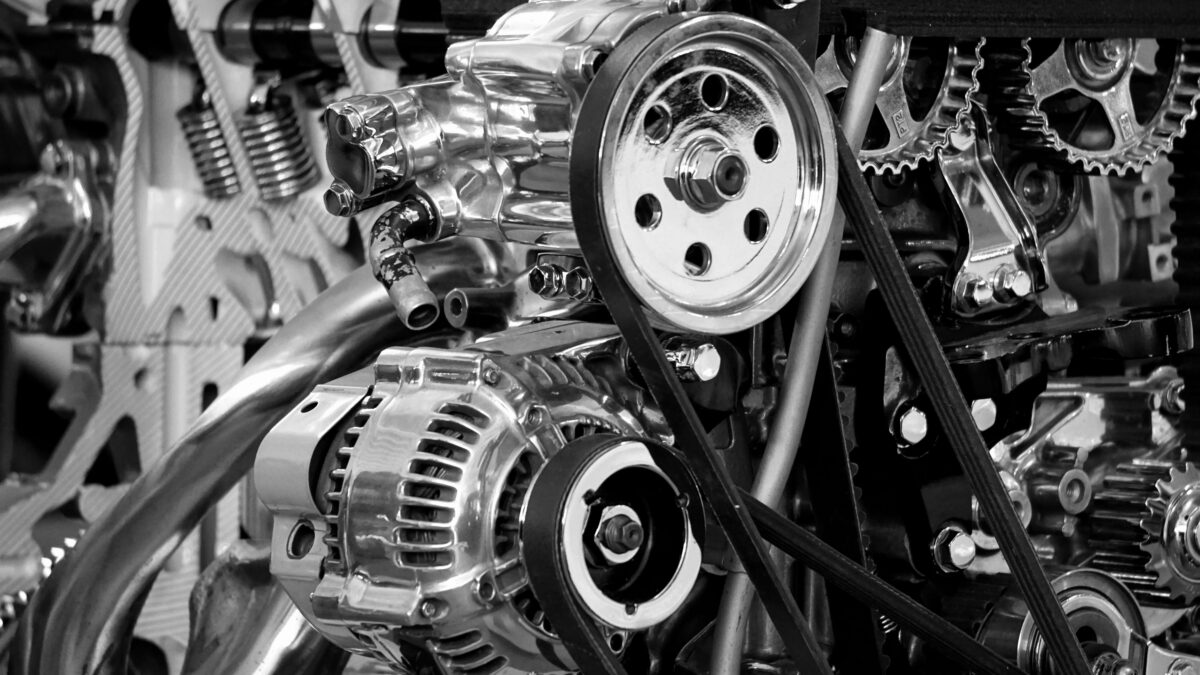
The Role of Motor Recycling in Resource Recovery

Motor recycling helps recover valuable metals from unwanted electric motors. It cuts industrial waste and supports the circular economy.

Why Resource Recovery Matters in Motor Recycling

The role of motor recycling in resource recovery matters for businesses that want to cut waste and use materials better. Electric motors are used in manufacturing equipment, industrial machinery, pumps, vehicles and electrical systems. When they reach the end of their working life, they still hold metals that can be recovered and reused.

Rather than sending unwanted motors for disposal, businesses can use electric motor recycling to recover copper, aluminium and steel. These materials can re-enter manufacturing supply chains, which reduces the need for new raw materials. Knowing the benefits of motor recycling helps organisations make better choices about equipment disposal and waste management.

Why Resource Recovery Matters in Motor Recycling

Resource recovery means collecting and processing waste so it can be used again in new products and manufacturing. It helps keep useful materials from being lost through needless disposal.

Electric motors contain several materials that are still in demand. Copper, aluminium and steel are often recovered during the recycling process. These metals can be separated, processed and sent to manufacturers as recycled raw materials.

Recovering these materials also cuts reliance on mining and primary metal production. Making new raw materials can use a lot of energy and cause environmental harm. Recycling offers another source of materials and supports better resource management.

Valuable Materials Recovered Through Electric Motor Recycling

Electric motors contain different metals and parts that can be recovered depending on their design, size, and build. Separating these materials lets recycling facilities send them into the right processing streams.

Copper From Motor Windings

Copper is commonly found in electric motor windings because it carries current well. These windings carry electrical current and help the motor work efficiently.

During motor recycling, copper-bearing parts are separated from other materials. The recovered copper can then be processed and used in wiring, industrial equipment, motors and other products.

Copper recovery is especially important because the metal remains in demand across electrical, engineering and manufacturing industries.

Aluminium From Motor Components

Some electric motors contain aluminium housings, frames and structural parts. Aluminium is valued for its light weight, durability and recyclability.

Once separated, recovered aluminium can be processed into recycled material for manufacturing. Recycling aluminium also helps reduce the need for new production, which can use a lot of energy.

Steel and Iron Components

Steel and iron are commonly used in motor casings, shafts, frames, and internal parts. These materials provide strength and durability during use.

After separation, recovered iron-based metals can be recycled for use in construction, engineering, machinery and other industrial uses. This helps keep useful resources in the manufacturing supply chain.

How Motor Recycling Supports the Circular Economy

The circular economy aims to keep products and materials in use for as long as possible. Instead of the usual path of making, using and throwing away equipment, businesses can recover materials and put them back to work.

Electric motor recycling supports this model by turning redundant equipment into a source of reusable resources. Copper, aluminium, steel and other recyclable parts can enter established metal recycling streams.

This reduces the amount of usable material sent for disposal and encourages businesses to think about the full life cycle of their electrical equipment. Including motor recycling in waste management plans can also improve material efficiency and support more sustainable industrial practices.

The Motor Recycling and Resource Recovery Process

Resource recovery has several stages, from collecting unwanted equipment to preparing separated materials for reuse. The exact process depends on the motor type and the recycling facility.

Collection and Initial Assessment

Unwanted electric motors are collected from manufacturing sites, engineering firms, industrial sites and other commercial sources. The equipment is assessed to identify its type, condition and recycling needs.

Proper handling and storage help prevent damage and keep the materials suitable for processing.

Dismantling and Material Separation

Motors are dismantled using suitable equipment and methods. Parts such as copper windings, aluminium housings, steel shafts and other metal pieces are separated by material type.

Good separation makes the recycling process more efficient and helps improve the quality of the recovered metals.

Processing and Material Recovery

Once separated, recyclable metals are prepared for further processing. Depending on the material, this may involve cutting, shredding, sorting and other treatment steps.

The recovered metals are then sent into the right recycling streams, where they can be processed into recycled raw materials.

Reuse in Manufacturing

Recovered materials can re-enter industrial supply chains and support the production of new products. Manufacturers can use recycled copper, aluminium, and steel in electrical equipment, machinery, construction materials, and other manufactured goods.

This gives valuable resources another use and reduces the need to rely only on newly extracted materials.

Environmental Benefits of Motor Recycling

Motor recycling offers several environmental benefits by reducing the loss of useful materials and supporting responsible waste management.

One key benefit is lower demand for new metals. Mining and refining use a lot of energy and can cause pollution, habitat loss and the loss of natural resources. Recovering existing metals gives manufacturers another supply option.

Recycling also cuts the volume of industrial waste that needs disposal. Instead of discarding complete motors, businesses can make sure suitable parts are recovered and processed.

Using recycled metals also improves resource efficiency in manufacturing. This can help organisations lower their impact and support greener industrial production.

Why Businesses Should Focus on Electric Motor Recycling

Businesses that use industrial machinery and electrical equipment often replace motors that are damaged, outdated or no longer needed. Without proper waste management, these motors can pile up and take up storage space.

Professional electric motor recycling gives businesses a practical way to manage redundant equipment while recovering valuable materials. It can improve waste handling, support resource recovery and reduce the amount of recyclable metal sent for disposal.

Organisations should work with the right recycling providers to make sure unwanted motors are collected, transported and processed responsibly. They should also follow the correct waste codes and environmental requirements.

Supporting Resource Recovery Through Responsible Motor Recycling

The role of motor recycling in resource recovery goes beyond disposal. It helps recover valuable metals, reduce industrial waste and keep useful materials within manufacturing supply chains.

By focusing on motor recycling, businesses can support the circular economy, save natural resources and improve industrial waste management. Responsible electric motor recycling makes redundant equipment a useful source of recycled raw materials.

How Electric Motor Components Are Recovered

Electric motors contain valuable materials that can be recovered when equipment reaches the end of its working life. Understanding how businesses recover electric motor components helps them manage unwanted equipment, reduce industrial waste, and support responsible metal recycling. Through dismantling, sorting and material separation, specialist facilities can recover copper, aluminium, steel and other metals for further processing.

Electric motors are widely used in industrial machinery, pumps, fans, manufacturing equipment and electrical appliances. Although designs vary, most contain several components that can be separated and recycled.

Electric motor components recovery involves dismantling motors, separating valuable metals and preparing recovered materials for reuse in manufacturing.

Understanding Electric Motor Components

Before looking at how electric motor components are recovered, it is important to understand the materials used in their construction.

The stator is the stationary part of an electric motor. It usually contains copper or aluminium windings and a laminated steel core. These materials can be separated and recovered through specialist recycling processes.

The rotor is the rotating section that produces mechanical movement. Depending on the motor design, it may contain steel, aluminium, copper or permanent magnets.

Other electric motor components include the outer casing, shaft, bearings, cooling fan, terminal box and electrical connections. These parts may contain cast iron, aluminium, brass, stainless steel, plastics and rubber.

Identifying these materials helps recycling facilities choose suitable recovery methods.

How Electric Motor Components Are Recovered

Electric motor components recovery involves several stages. The methods used depend on the motor’s size, construction, condition and material composition.

1. Collection and Inspection

The process begins when unwanted electric motors are collected from industrial facilities, workshops, manufacturing businesses and equipment dismantling operations.

At the recycling facility, motors are inspected to identify their construction, condition and potential material value. Recyclers determine whether the equipment is suitable for repair, refurbishment, component reuse or material recovery.

Motors are also checked for attached cables, electronic parts, and other materials that may require separate handling.

2. Dismantling Electric Motors

After inspection, the motor is dismantled to separate its main components. This can involve removing the outer casing, end covers, cooling fan, bearings, shaft and other attached parts.

Specialist tools and mechanical equipment help separate tightly fitted components. Larger industrial motors may require lifting equipment and controlled dismantling procedures.

Separating individual parts before further processing makes it easier to recover valuable metals and identify components that may be suitable for reuse.

3. Recovering Copper Windings

Copper is one of the most valuable materials found in many electric motors. It is commonly used in the windings that generate the magnetic fields needed for motor operation.

These windings are usually located within the stator. Recyclers use mechanical or manual methods to remove the copper from the surrounding steel core.

Once extracted, the copper is separated from insulation, varnish and other attached materials. It can then be prepared for further metal recycling.

Recovered copper can be used in electrical cables, wiring, industrial equipment and other manufacturing applications. Recycling this metal also reduces the need for additional virgin copper resources.

4. Separating Steel and Iron

Steel and iron are commonly found in motor casings, shafts, bearings, and internal laminations.

These ferrous metals can be separated using mechanical processing and magnetic separation. Magnets help identify and extract suitable materials from mixed waste streams.

After separation, the recovered steel and iron are sorted and prepared for further processing. They can be supplied to metal processors for use in construction, machinery, and manufacturing.

Keeping these materials separate from copper and other non-ferrous metals helps maintain their quality.

5. Recovering Aluminium and Other Metals

Aluminium is frequently used in motor housings, cooling components and certain rotor designs. Its lightweight properties make it useful in electrical and mechanical equipment.

After dismantling, aluminium parts are separated from steel, copper and other materials. Depending on the facility, mechanical sorting, eddy-current separation and manual inspection may be used.

Other recoverable metals can include brass, stainless steel and nickel-containing materials, depending on the motor’s construction.

These materials are sorted into suitable grades before being sent for further recycling.

6. Processing Recovered Materials

Once the different metals have been separated, they undergo further preparation. This may involve cutting, shredding, crushing, grading and cleaning, depending on their condition and intended recycling route.

Specialist equipment helps produce separate material streams for metal processors, foundries and manufacturers.

Material quality is important during this stage. Contamination can reduce the usefulness of recovered metals, making accurate sorting essential.

Plastics, rubber, insulation and resin materials may require separate treatment or suitable waste management routes.

What Happens to Recovered Electric Motor Components?

Once processing is complete, recovered materials can return to manufacturing supply chains.

Copper can be used to produce electrical wiring, cables and other conductive components. Recovered steel and iron can support construction and engineering applications, while aluminium can be used in products that require lightweight metal materials.

Some mechanical components, including suitable bearings and housings, may also be considered for reuse or refurbishment following appropriate inspection.

Certain electric motors contain permanent magnets that require specialist recovery methods. These magnets can contain valuable rare earth elements, making their recovery an important part of developing more effective electric motor recycling processes.

Why Electric Motor Components Recovery Matters

Recovering materials from unwanted electric motors provides several environmental and industrial benefits.

It reduces the amount of metal-containing waste sent for disposal and helps businesses make better use of existing resources.

Metal recycling also reduces dependence on virgin raw materials. Recovered copper, steel and aluminium can provide manufacturers with secondary materials while helping conserve natural resources.

Electric motor components recovery also supports the circular economy by keeping valuable materials in productive use rather than allowing them to become unnecessary waste.

For businesses, responsible recycling can improve waste management practices and help identify materials with further recovery potential.

Responsible Electric Motor Recycling for Businesses

Businesses that generate unwanted motors should consider how their equipment is stored, separated, and transferred for recycling. Keeping motors in designated storage areas helps prevent unnecessary damage, contamination and mixing with other waste.

Working with suitable recycling providers is equally important. Businesses should check that their chosen provider can handle the relevant motor types and arrange appropriate treatment for the recovered materials.

The Environment Agency’s guidance on treating metal waste in shredders explains the requirements for permitted facilities handling metal waste.

Businesses can also explore aluminium recycling to understand how recovered metals can re-enter manufacturing supply chains.

Understanding the recycling process helps businesses make informed decisions about unwanted electrical equipment and improve their industrial waste management practices.
Electric motor components recovery involves inspecting, dismantling and separating valuable materials from unwanted equipment. Copper windings, steel cores, aluminium housings and other metals can be recovered through suitable recycling processes.

Responsible electric motor recycling helps businesses reduce waste, conserve resources, and support more sustainable manufacturing.

Common Materials Found in Electric Motors

Electric motors contain copper, steel, aluminium and other materials. Identifying these components helps businesses recover valuable metals, reduce waste, and support responsible recycling.

Common materials found in electric motors include copper, steel, aluminium, cast iron and insulating materials. These components work together to help electric motors convert electrical energy into mechanical movement.

Electric motors are used in industrial machinery, pumps, fans, manufacturing equipment and electric vehicles. Their materials vary according to their design, size, and purpose.

When equipment reaches the end of its working life, many of its components can still be useful. Electric motor recycling helps recover valuable metals and reduces the amount of material sent for disposal.

Understanding what an electric motor contains helps businesses identify recycling opportunities and manage unwanted equipment responsibly.

Copper Wires and Motor Windings

Copper is one of the most valuable materials found in many electric motors. It is widely used because it conducts electricity efficiently and can withstand demanding operating conditions.

Copper wires are commonly arranged into motor windings inside the stator. The stator is the stationary part of the motor. When electricity passes through the motor windings, they generate a magnetic field that interacts with the rotor.

The rotor is the rotating component that produces mechanical movement. This process allows an electric motor to power machinery, fans, pumps and other equipment.

Copper is particularly important because efficient electrical conduction helps the motor operate as intended. The quantity of copper varies depending on the motor’s size, design and application.

Copper windings are also important during recycling. Once recovered and processed, copper can be used in new electrical products, wiring and industrial components.

Businesses disposing of old motors should consider the value of their copper content. Appropriate separation and processing can help recover this metal and keep it within the manufacturing supply chain.

Steel and Electrical Steel

Steel provides strength and structural support in many electric motors. It can be found in shafts, housings, fasteners and other mechanical components.

Electrical steel has a more specialised role. Manufacturers commonly use it in the stator and rotor cores because of its magnetic properties.

These cores often consist of thin layers of steel stacked together. This construction helps manage energy losses caused by changing magnetic fields and supports efficient motor operation.

Steel components are widely recyclable. Once collected and sorted, they can be processed for use in new steel products and industrial applications.

Separating steel from copper, aluminium and non-metallic materials helps improve the quality of recovered metals. Businesses handling redundant machinery can support this process by keeping motor waste separate from unrelated waste streams.

Aluminium Components

Aluminium is another common material found in electric motors. It is lightweight, corrosion-resistant and a useful conductor of heat and electricity.

Depending on the design, aluminium may be used in motor housings, end covers, cooling components and rotor conductors. Some induction motors use aluminium in their rotor construction instead of copper.

Its low weight makes aluminium suitable for applications where equipment weight matters. It can also support designs that require effective heat management.

Aluminium has strong recycling potential. Recovered aluminium can be processed into new products, helping conserve resources and reduce the need for primary metal production.

For businesses managing old electrical equipment, identifying aluminium components can improve material separation and support more efficient recycling.

Cast Iron and Motor Housings

Cast iron is commonly used in the housings of some larger industrial electric motors. It provides strength, rigidity and durability in demanding working environments.

The housing protects internal components and supports the motor assembly. Cast iron may be selected where a robust structure is required, although other motors use aluminium or steel housings.

Cast iron and steel are both ferrous metals, meaning iron is their main metallic component. However, their composition and properties differ, so recycling facilities may sort them separately.

Recovering cast iron from unwanted motors helps preserve useful resources. It also reduces the amount of metal that would otherwise be discarded.

Businesses should avoid assuming that every heavy motor contains cast iron. The material depends on the manufacturer’s design and the intended application.

Permanent Magnets and Specialised MetalsSome electric motors use permanent magnets to create a magnetic field. These magnets are common in brushless motors and certain electric vehicle drive systems.

Ferrite magnets are used in various applications, while high-performance motors may contain neodymium-iron-boron magnets. These are often known as NdFeB magnets.

NdFeB magnets contain rare earth elements, including neodymium, and may contain other elements depending on their composition. These materials can support strong magnetic performance in compact motor designs.

Recovering permanent magnets can be more complex than processing bulk steel or aluminium. Their location, construction and material composition affect how easily they can be separated.

Specialist recovery processes may help preserve valuable materials for further use. Where magnets are present, suitable handling and processing can improve resource recovery and reduce the loss of materials during recycling.

Plastics and Electrical Insulation

Electric motors also contain non-metallic materials. These include plastics, rubber, resins, varnishes and electrical insulation.

Plastic components may be found in terminal boxes, cooling fans and protective covers. Rubber can be used in seals, while insulation protects motor windings and separates conductive parts where necessary.

These materials help an electric motor operate safely and reliably. Without suitable insulation, electrical faults, overheating and equipment damage may occur.

However, non-metallic materials can be more difficult to recycle than clean metals. Some components contain bonded materials, coatings or mixtures that require additional processing.

Certain plastics may be recoverable when they can be identified and separated. Other materials may need specialist treatment or an alternative disposal route.

Businesses should use an appropriate recycling provider rather than assume every motor component can be recycled through the same process.

Brass, Bearings and Smaller Components

Brass, bearings and other small metal parts can also be present in electric motors.

Brass may be used in terminals, connectors and fittings. Bearings are commonly made from steel or specialised bearing alloys and allow rotating components to move with reduced friction.

Other parts, such as fasteners and retaining rings, may contain different metal grades.

Although these components can represent a small proportion of the total motor weight, separating them may improve material recovery. Bearings that remain in good condition may sometimes be suitable for reuse, while worn or damaged parts may require recycling.

The exact materials depend on the motor’s design, age and intended use. Correct identification helps recycling facilities direct each component towards a suitable recovery process.

Why Material Identification Matters for Electric Motor Recycling

Identifying the materials inside electric motors helps businesses choose an appropriate recycling route. Copper, steel, aluminium and permanent magnets have different properties and may require different separation methods.

Effective sorting can reduce contamination and improve the quality of recovered materials. It also helps recycling facilities identify components that may need specialist treatment.

Recycling supports resource conservation by keeping useful metals in circulation. Recovering existing materials can reduce demand for newly extracted raw materials and support more responsible manufacturing.

Businesses should assess whether unwanted motors can be repaired, refurbished or reused before arranging recycling. When equipment is no longer suitable for use, an appropriate recycling provider can advise on collection, handling and material recovery.

Motors should be disconnected safely before removal. Businesses must also follow applicable waste management requirements and use suitable arrangements for transporting and processing electrical equipment.

Managing Old Electric Motors Responsibly

A practical approach starts with identifying redundant motors and assessing their condition. Equipment that remains functional may be suitable for repair or reuse, while damaged or obsolete units may require recycling.

Businesses should store unwanted motors securely and protect them from unnecessary damage. Keeping them separate from general waste can make collection and processing easier.

A suitable recycling provider can assess the equipment and determine the appropriate recovery route. For companies with multiple motors, planned collections can help manage storage space and reduce unnecessary handling.

For further information, visit our page on electric motor recycling to learn how unwanted motors can be managed and valuable metals recovered.

Electric motors contain several useful materials, including copper, steel, aluminium, cast iron and, in some designs, permanent magnets. Plastics, brass, bearings and insulation also contribute to their construction.

Understanding these materials helps businesses manage redundant equipment more effectively. Repair and reuse should be considered where practical, while suitable recycling can recover metals and reduce waste when motors reach the end of their working life.

Why Old Electric Motors Should Be Recycled

Electric motor recycling recovers useful metals, cuts waste, and saves resources. It also helps businesses manage unwanted equipment in a safe, responsible way.

Understanding why old electric motors should be recycled helps businesses make better choices about machinery and waste. Electric motors are used in factories, workshops, pumps, ventilation systems, and manufacturing lines. When they are damaged or reach the end of their life, recycling is a practical way to recover useful materials.

Rather than sending unwanted motors for disposal, businesses can arrange professional electric motor recycling. This helps save resources, cut waste, and support greener industrial practice.

Recover Valuable Metals from Electric Motors

One main reason why old electric motors should be recycled is their metal content. Many electric motors contain copper windings, steel casings, aluminium parts, and other usable materials. The exact mix depends on the motor size, design, and use.

Copper is especially valuable because electricity flows through it so well. Steel and aluminium are also widely used in manufacturing, construction, and engineering. Recovering these metals lets them be used again as raw materials.

Specialist recyclers can take motors apart and separate the parts for recovery. This cuts the amount of useful metal lost through disposal and gives manufacturers materials for new products.

For businesses handling large amounts of scrap motors, recycling is a responsible way to manage unwanted equipment while recovering useful resources.

Reduce Industrial Waste

Old electric motors can take up valuable space in factories, warehouses, and maintenance workshops. When damaged equipment builds up, storage areas become harder to manage and waste handling gets more difficult.

Electric motor recycling helps move suitable materials away from disposal by separating recyclable parts from other waste. Instead of treating the whole motor as useless, recyclers can identify metals and parts that still have value.

Businesses can improve waste management by arranging collections when equipment is replaced or no longer fits the job. Keeping scrap motors separate from general waste also makes handling and collection simpler.

Less unnecessary disposal helps businesses manage waste more efficiently and use industrial resources more responsibly.

Conserve Natural Resources

Making new metals often means mining, refining, and processing raw materials. These tasks use energy and can affect land, water, and nearby ecosystems.

Recycling metals from electric motors keeps existing materials in use. Recovered copper, steel, and aluminium can be processed for new manufacturing jobs, reducing the need for virgin materials when recycled options are suitable.

Recycling does not remove the need for mining, but it does make better use of materials already taken from the earth. This supports resource efficiency and encourages manufacturers to consider recycled materials when they buy supplies.

Businesses that make recycling a priority can help with more responsible material use across their supply chains.

Support the Circular Economy

The circular economy keeps products and materials in use for as long as possible. Repair, reuse, refurbishment, and recycling all support this idea.

When electric motors stop working, they may still contain parts or materials that have value. Some motors can be repaired or refurbished if they are in good enough condition. When reuse is not possible, recycling gives another route for recovering resources.

This helps stop useful materials from becoming avoidable waste. It also encourages businesses to think about the full life of their equipment, from buying and maintenance to replacement and disposal.

Electric motor recycling therefore supports a more efficient use of resources across industrial operations.

Improve Business Waste Management

Businesses may produce scrap motors when they replace machinery, upgrade production lines, or maintain industrial equipment. Without a clear process, unwanted motors can build up and create storage and handling problems.

Using the right recycling provider helps businesses arrange collections and send materials to suitable treatment sites. Keeping accurate waste records can also help organisations track disposal and show responsible handling.

UK businesses should check the waste rules that apply to their equipment. Depending on the motor and the situation, waste electrical and electronic equipment (WEEE) rules may apply.

The GOV.UK guidance on waste electrical and electronic equipment explains the key rules. Businesses should confirm which rules apply to their waste and location.

Reduce the Environmental Impact of Metal Production

Mining and processing virgin metals can need a lot of energy and natural resources. Recovering metals from old electric motors can reduce demand for newly mined materials and may lower the environmental impact linked to producing certain metals.

The benefits depend on the metals recovered, transport distance, processing method, and recycling efficiency. Even so, recycling helps keep useful resources in the manufacturing supply chain instead of throwing them away.

Businesses can strengthen their environmental practices by combining recycling with maintenance, repair, and careful buying decisions.

Choose a Responsible Electric Motor Recycling Service

Choosing a suitable recycling service helps businesses manage unwanted motors safely and efficiently. The first step is to check whether equipment can be repaired, refurbished, or reused before considering material recovery.

Motors that cannot be reused may be taken apart so recyclable metals can be separated. Specialist facilities use the right methods to recover materials and handle parts that need separate treatment.

Businesses should store unwanted motors safely and make sure their chosen provider is authorised to handle the relevant waste, where needed. A steady collection process can also help organisations deal with regular amounts of industrial scrap.

For businesses that replace electric motors often, professional recycling offers a practical way to recover useful materials and improve waste management.

Old electric motors should be recycled because they contain valuable metals that can be recovered and used again. Electric motor recycling helps cut waste, save natural resources, and support the circular economy.

By focusing on suitable reuse and recycling, businesses can manage unwanted equipment more responsibly and make better use of existing materials.

How Businesses Can Manage Waste Motors

Businesses can manage waste motors by checking equipment, reusing parts, storing unwanted units safely, and arranging responsible electric motor recycling. These steps recover useful materials, reduce waste and support a stronger circular economy.

Managing waste motors is a key part of waste management for manufacturers, workshops, engineering firms and maintenance teams. When motors become damaged, slow or outdated, they can take up space and hold useful materials.

A clear management system helps businesses sort scrap, turn it into recycled materials and lower their environmental impact. It also makes disposal safer and easier to track.

Why businesses need to manage waste motors

Electric motors are used in pumps, conveyors, fans, machinery and plant equipment. Even at the end of life, they may still contain value.

Depending on their design, motors may contain copper windings, steel casings, aluminium parts and other usable metals. Sending suitable motors to specialist recycling sites lets these resources enter new production instead of being thrown away needlessly.

Poor waste management can also create storage problems, raise handling risks and make records harder to keep. A clear management system helps staff find unwanted equipment, plan collections and keep good records.

Assess motors before disposal

First, inspect each motor and decide whether it can be repaired, refurbished, reused or recycled. Some units may only need a small fix.

Separate reusable equipment from damaged units and note the numbers removed. This helps teams make better choices and keeps useful items out of the waste stream too soon.

Separate motors from other waste materials

Keep unwanted motors apart from general rubbish whenever possible. Mixing motors with other waste materials can slow handling and make recovery less efficient.

A set collection area helps staff spot items that need assessment or recycling. Keep motor types sorted when this makes handling safer or recycling easier.

Do not strip motors without the right training, tools and steps. Specialist recyclers can explain how to prepare items safely.

Store waste motors safely

Safe storage protects staff, visitors and the site. Place motors on stable surfaces or suitable pallets in a place that does not block walkways, exits or normal work.

Large motors may need lifting gear because they are heavy. Staff should follow workplace handling rules and use the right kit when moving them.

Where motors contain oil, grease or other harmful substances, businesses should stop leaks and arrange proper handling. Storage areas should stay secure and easy for approved collection teams to reach.

Arrange electric motor recycling

Electric motor recycling allows suitable metals and parts to be recovered for later use. Copper windings can be especially valuable, while steel and aluminium may also be recovered, depending on the motor and the site’s process.

Businesses should speak with a suitable recycling provider to confirm accepted materials, collection amounts and transport plans. Ask how the motors will be processed and what paperwork will be provided.

For firms that produce waste regularly, planned collections can help prevent needless build-up. The best plan depends on scrap volume, storage space and collection needs.

Choose reuse and recycling over disposal

Reusing or refurbishing suitable motors can extend their life and reduce demand for new equipment. When repair is not practical, recycling is the next best option.

These choices support a circular economy, where products and materials stay in use for longer. Recovering metals can also create recycled materials for new products and reduce reliance on newly mined resources.

Understand UK waste management duties

Businesses must make sure waste is handled and passed on in the right way. Rules vary across England, Wales, Scotland and Northern Ireland, so companies should check the rules for their area.

In England and Wales, the waste duty of care says waste holders must manage waste responsibly and use approved parties. Some transfers need proper records, and hazardous waste may need extra controls.

Businesses should check whether unwanted motors contain anything that needs special handling. They should also confirm the rules before arranging transport or disposal.

Read the UK Government’s waste duty of care guidance for more on safe waste handling and transfer.

Benefits of responsible waste motor management

A steady waste management process can improve site order, support material recovery and reduce avoidable disposal. Good records also help businesses track removed equipment and spot ways to improve resource use.

Recovering metals can provide feedstock for manufacturing and other industrial uses. Depending on metal prices, motor condition, processing costs and collection plans, businesses may also receive value for suitable scrap.

These benefits support environmental goals and show responsible resource use.

Improve your waste motor management system

Businesses can make waste motor management better by building disposal into regular maintenance. Staff should know where unwanted motors go, how to report damaged units and who to contact for collections.

Recording collection dates, quantities and the receiving provider gives a clearer view of waste generation. Reviewing these records can show repeat problems, improve storage and help reduce waste over time.

Working with the right recycling provider can also make collection planning and material recovery easier.

Managing waste motors well depends on safe storage, careful checks, responsible collections and proper recycling. Reuse where possible, and recover useful metals when repair is not practical. This helps cut waste and supports a more sustainable circular economy.

With a reliable management system, businesses can improve waste management, protect resources and lower their environmental impact.

What Happens to Electric Motors at End of Life?

Electric motors can be repaired, reused, or recycled when they stop working. Electric motor recycling recovers valuable metals and helps reduce industrial waste.

What Happens to Electric Motors at End of Life?

What happens to electric motors at end of life depends on their condition, design, and remaining value. Motors used in factories, pumps, manufacturing equipment and commercial machinery may be repaired, reused or recycled when they are no longer needed.

Rather than treating every unwanted motor as waste, businesses can assess whether it remains useful. Repairing a motor can extend its working life, while recycling allows valuable materials to be recovered when further use is not practical.

The best option depends on the motor’s condition, repair costs, safety and potential for material recovery.

Can Electric Motors Be Repaired or Reused?

Electric motors may develop faults because of worn bearings, damaged windings, overheating or electrical failures. However, these problems do not always mean the motor has reached the end of its useful life.

A qualified technician can inspect the equipment and determine whether repairs are practical. Replacing worn components or repairing damaged parts may allow the motor to return to service.

Reuse is another option for motors that remain in suitable working condition. Businesses should check their performance, safety and compatibility before installing them in other equipment.

Repair and reuse can reduce waste and delay the need for replacement. However, when a motor is severely damaged, inefficient or too expensive to restore, recycling may be the more appropriate choice.

How Does Electric Motor Recycling Work?

Electric motor recycling involves several stages that prepare the equipment for material recovery. The process varies according to the motor’s size, construction, and the facilities available.

Collection and Inspection

The process begins with collection and inspection. A recycling specialist assesses the motor’s condition, identifies its main components and determines the most suitable handling method.

Businesses should provide accurate information about the equipment and arrange collection through an appropriate waste contractor. This helps ensure that unwanted motors are managed safely and correctly.

Dismantling Electric Motors

The motor is dismantled using suitable tools and equipment. Depending on its design, this may involve removing the outer casing, shaft, bearings, rotor, stator and other components.

Separating these parts makes it easier to identify different materials. Safe handling is essential because electric motors can be heavy and may have sharp edges or other mechanical hazards.

Sorting Valuable Materials

After dismantling, the components are separated according to their material type. Copper windings, steel parts and aluminium housings are common examples of recoverable materials.

Some electric motors also contain plastics, insulation and other components that require separate handling. The materials recovered depend on the motor’s construction and the recycling facility’s capabilities.

Processing Recovered Metals

The sorted materials are prepared for further processing. Depending on their type and quality, metals may be cut, shredded, graded or sent to specialist processors.

Recovered metals can then be used as raw materials in manufacturing. This helps keep useful resources in circulation and reduces the need to rely entirely on newly extracted materials.

What Valuable Materials Can Be Recovered from Electric Motors?

Electric motors contain several materials that may have recycling value.

Copper is commonly used in motor windings because it conducts electricity effectively. Once recovered and processed, it can be used in new electrical products and other manufacturing applications.

Steel is often found in shafts, casings and structural components. Recycling steel allows the material to be processed for use in new metal products.

Aluminium is present in some motor housings and components. It can be recovered and reprocessed for further manufacturing.

Other materials may include plastics, insulation and additional metals. Their recovery depends on the motor’s design and the available separation methods.

The amount of material recovered varies between motors. Size alone does not determine the quantity or value of copper and other metals, so an individual assessment is useful when estimating recycling value.

Why Is Electric Motor Recycling Important?

Electric motor recycling helps businesses manage industrial waste more responsibly. Recovering metals reduces the amount of useful material sent for disposal and supports the efficient use of existing resources.

Recycling can also reduce demand for virgin raw materials. Producing metals from recovered material may require less energy than primary production, although the environmental benefits depend on the material and processing method.

There may also be financial benefits. Copper, steel and aluminium can have commercial value, but returns depend on material quality, market prices, transport costs and processing requirements.

For businesses that regularly replace machinery, recycling provides a practical way to manage unwanted equipment. Including electric motors in a wider waste management plan can improve material separation and support responsible disposal practices.

How Should Businesses Manage Electric Motors at End of Life?

Businesses should first determine whether unwanted motors can be repaired or reused. If neither option is suitable, they should arrange recycling through an appropriate waste contractor.

Keeping motors separate from general waste where practical can make collection and material recovery easier. Businesses should avoid unsafe dismantling and ensure that equipment is handled by people with suitable training and tools.

UK organisations must also consider applicable waste regulations. In England, the Environment Agency provides guidance on when electrical and electronic equipment becomes waste. Businesses should check the relevant requirements for their location, as regulations can differ across the UK.

Choosing a suitable recycling route helps ensure that unwanted equipment is handled appropriately and valuable materials are recovered where possible.

Give Old Electric Motors a Useful Next Life

Electric motors can remain valuable after they stop working. Repair and reuse may extend their service life, while electric motor recycling recovers metals for further use.

By assessing each motor carefully and choosing an appropriate recovery route, businesses can reduce avoidable waste, conserve resources and improve industrial waste management.

What Metals Can Be Recovered From Old Electric Motors?

Old electric motors contain recyclable copper, steel, iron, and aluminium. Specialist recycling recovers these materials for reuse.

What Metals Can Be Recovered from Old Electric Motors?

Understanding what metals can be recovered from old electric motors helps businesses identify valuable materials in redundant equipment. Electric motors power industrial machinery, pumps, ventilation systems, manufacturing equipment and household appliances. When these units stop working or become obsolete, their components can often be processed through specialist recycling.

Most conventional electric motors contain copper windings, steel or iron components and a metal housing. Some also contain aluminium, brass, stainless steel and other metals, depending on their design and application.

Through electric motor recycling, businesses can recover these resources rather than sending valuable metal scrap for disposal. The exact materials and quantities depend on the motor’s construction, size, and condition.

1. Copper From Old Electric Motors

Copper is one of the most valuable metals commonly recovered from old electric motors. It is usually found in the windings that conduct electricity and create the magnetic fields required for the motor to operate.

Manufacturers use copper because it offers excellent electrical conductivity, durability and recyclability. Once recovered and processed, copper can be used in electrical cables, wiring, electrical equipment and other industrial products.

The quantity of copper varies between motors. Large industrial units may contain substantial copper windings, while smaller motors from household appliances generally contain less. The ease of separating the windings also affects the recycling process.

Recovering copper helps conserve resources and supplies manufacturers with material that can be processed into new products.

2. Steel and Iron in Electric Motors

Steel and iron provide strength and structural support in many electric motors. They may be present in the motor shaft, internal core, fasteners and outer casing.

Many industrial motors use cast iron housings, while other designs contain steel components. These ferrous metals are widely recycled and can be separated from non-ferrous materials using magnetic equipment.

After collection and sorting, recovered steel and iron can enter established metal processing and manufacturing supply chains. Recycling these materials reduces demand for newly extracted resources and helps businesses manage industrial scrap more responsibly.

3. Aluminium From Motor Housings

Aluminium is another recyclable material found in many electric motors. It is commonly used in housings, end covers and cooling fins because it is lightweight, corrosion-resistant and conducts heat effectively.

During recycling, aluminium components are separated from other metals and prepared for further processing. The recovered material can then be melted and used to manufacture new products.

Not every motor contains aluminium. Some use cast iron or steel housings instead, so recyclers assess the equipment before determining which materials can be recovered.

Keeping aluminium separate from incompatible materials can improve scrap quality and support more efficient processing.

4. Brass and Stainless-Steel Components

Certain electric motors also contain brass and stainless steel. Brass may appear in terminals, connectors, and fittings, while stainless steel can be used in selected fasteners, shafts or specialist components.

These metals are not present in every motor, and their quantities depend on the equipment’s design. However, separating them correctly helps prevent valuable materials from being mixed with other scrap grades.

Brass and stainless steel both have established recycling applications. Their recovery allows useful materials to re-enter manufacturing rather than being unnecessarily discarded.

5. Other Metals in Specialist Electric Motors

Some specialist electric motors contain additional metals. Permanent-magnet motors, for example, may use magnets containing rare-earth elements such as neodymium. Certain components or alloys may also contain nickel or zinc.

These materials are not found in every motor, and recovering them can require specialist equipment and processing methods. Their recovery depends on the motor’s construction, the quantities present, and the available recycling technology.

For this reason, professional assessment is important when dealing with unfamiliar or specialised equipment. Recyclers can identify the main material types and determine the most appropriate recovery route.

How Does Electric Motor Recycling Work?

Electric motor recycling begins with collection, inspection, and sorting. Recyclers assess the motors according to their type, size, condition, and composition. Units suitable for repair may be refurbished, while damaged or obsolete equipment can proceed to material recovery.

During processing, motors are dismantled or mechanically treated to separate their main components. Copper windings are removed using suitable methods, and magnetic separation can help isolate iron and steel. Aluminium, brass and other non-ferrous metals are sorted separately where practical.

The recovered metals are then prepared for onward processing. Insulation, plastics, oils and other non-metal components must also be handled appropriately.

Safe dismantling requires suitable equipment and procedures, particularly where motors contain contaminated parts or other materials that need special handling.

Why Is Recycling Old Electric Motors Important?

Recycling old electric motors helps businesses recover useful materials from redundant machinery. It can reduce disposal volumes, conserve natural resources and support more efficient material use.

Copper, aluminium, steel and iron all have established recycling routes. Separating these materials correctly can improve scrap quality and help ensure that each metal reaches a suitable processor.

Manufacturers, engineering companies, maintenance contractors and facilities managers can benefit from including motor recycling in their waste management procedures. Businesses replacing machinery can arrange electric motor recycling to help recover materials from redundant equipment.

Responsible Electric Motor Disposal in the UK

Businesses should use appropriate waste contractors and meet their applicable waste management responsibilities when disposing of unwanted electric motors. Depending on the equipment and circumstances, waste electrical and electronic equipment requirements may apply.

The UK Government provides guidance on waste electrical and electronic equipment regulations. Businesses should check the requirements relevant to their location because regulatory arrangements can differ across the UK.

Motors should not be dismantled without appropriate training, equipment and safety precautions. Specialist recycling helps ensure that recoverable metals are separated and remaining waste is managed responsibly.

Old electric motors commonly contain copper, steel, iron and aluminium, while some designs also include brass, stainless steel and specialist metals. The materials recovered depend on the motor’s construction and the recycling methods available.

Choosing appropriate electric motor recycling helps businesses recover valuable resources, reduce waste and manage redundant equipment responsibly.

What Happens to Damaged Solar Inverters?

Technicians can often fix damaged solar inverters. They may also reuse working parts or send the unit for recycling. Good maintenance helps recover useful materials and cut electronic waste.

If an inverter stops working, a technician can test it, repair it, or send it to a recycling centre. The best choice depends on the damage, the repair cost, and the state of the electrical parts.

Solar inverters change direct current (DC) from a solar panel into alternating current (AC) for homes and businesses. Without a working inverter, a solar power system may make less electricity or stop delivering useful power.

Instead of throwing away faulty equipment straight away, owners should think about repair and recycling. These steps support better renewable energy management and help recover useful materials.

Why Do Solar Inverters Become Damaged?

Solar inverters can fail because of heat, power surges, moisture, dust, and normal wear. Poor airflow can raise temperatures, and lightning or electrical faults can damage key parts.

Common signs include error messages, sudden shut-downs, strange noises, and lower power output. But these signs do not always mean the inverter needs full replacement.

A trained technician can check the unit, find the fault, and suggest the best next step. Owners should not open damaged inverters themselves, because the inside parts may still hold a dangerous charge.

What Happens to Damaged Solar Inverters?

Inspection and Fault Check

Start by checking the inverter and finding the cause of the fault. Technicians may inspect circuit boards, connectors, cooling fans, and other parts to see whether the unit can be fixed safely.

The check also shows whether repair makes financial sense. A small fault may be easy to fix, while major damage may make replacement the better choice.

Repairing Faulty Inverters

If the damage is minor, replacing one broken part may restore normal operation. Depending on the model, technicians may need to replace connectors, cooling fans, circuit boards, or other parts during repairs.

Repair can extend the inverter’s life and delay the need for new equipment. It can also cut electronic waste and reduce demand for the raw materials used in new products.

But repair is not always the right choice. Spare parts, labour costs, warranty terms, and the unit’s age all affect the decision.

Reusing Parts

If repairing the whole inverter is not practical, some parts may still be safe to reuse. A specialist can remove and test selected parts to see whether they still work well.

Only reuse parts when they pass the right safety and performance checks. Even parts that look fine may hide faults, so a professional check matters.

Saving good parts reduces waste and makes better use of the resources already in the equipment.

How Do We Recycle Damaged Solar Inverters?

If technicians cannot repair or reuse an inverter, specialist recycling is the next option. The equipment can go to a proper waste electrical and electronic equipment (WEEE) site. There, it is dismantled, sorted, and materials are recovered.

Recovering Metals and Parts

Solar inverters contain metals, plastics, and electronic parts. Depending on the design, usable materials may include copper, aluminium, steel, and other metals.

You can recover copper from suitable wiring and parts for further processing. You can also separate and recycle metal cases. Circuit boards need special handling because they contain mixed materials.

The recovery process depends on the inverter design and the site’s tools. Not every part can be recycled in the same way, and some leftovers may need extra treatment.

Sorting E-Waste

Specialist sites take the unit apart and sort it into the right material streams. Controlled processing helps separate metals, plastics, and electronic parts while handling materials that need extra care.

Wrong disposal raises the risk of harm and can stop recyclable materials from reaching the correct recovery process.

For businesses with many damaged units, collection through a waste manager can make handling easier and support compliant disposal.

Why Solar Inverter Recycling Matters

Recycling saves resources by recovering materials for use in new products. It can also cut the amount of electronic waste sent to landfill.

Solar energy helps create cleaner electricity. However, some parts of a solar power system need proper care when they are no longer used. Repair, reuse, and recycling help deal with waste when equipment breaks or becomes outdated.

Recycling also supports better resource use across the renewable energy sector. But the environmental gain depends on proper collection, treatment, and recovery, not just on sending equipment away.

UK Rules for Damaged Solar Inverters

In the UK, discarded solar inverters may fall under WEEE rules. Businesses should arrange the right treatment and use approved or suitably qualified providers where the rules require it.

Handle waste sorting, storage, transport, and records based on the situation and the applicable rules. Rules can differ across the UK, so businesses should check the local guidance.

Look at the official GOV.UK guidance on when electrical and electronic equipment becomes waste for more detail.

The Environment Agency also explains the right steps for WEEE treatment sites, including controls for safe handling.

How to Reduce Solar Inverter Waste

Regular upkeep can help spot faults before they cause major damage. Keeping vents clear, following the maker’s advice, and arranging professional checks can support reliable use.

When an inverter fails, get it checked before replacing it. If repair is not practical, contact a suitable recycling provider for safe collection and treatment.

Businesses should store damaged equipment safely and protect it from more damage while they wait for collection. Separating items for checkup from confirmed waste can also prevent people from throwing away good items needlessly.

Technicians can repair damaged solar inverters, reuse them for parts, or recycle them to recover useful materials. The best choice depends on the unit’s condition, safety, and repair cost.

Good handling cuts electronic waste and supports more sustainable solar energy systems. Professional repair services and proper recycling sites help homes and businesses handle broken equipment safely. This also allows them to use valuable resources more effectively.

How Businesses Can Reduce Solar Equipment Waste

Businesses can cut solar equipment waste through careful buying, regular care, reuse, and responsible recycling. These steps help recover valuable materials, reduce needless disposal, and support renewable energy.

Why Businesses Should Reduce Solar Equipment Waste

Understanding how businesses can reduce solar equipment waste matters as commercial solar installations grow. Solar panels, inverters, cables, and mounting parts can all create waste during installation, care, and replacement.

Although solar energy helps cut fossil fuel use, solar equipment still needs raw materials, manufacturing, and transport. Throwing away working parts too soon wastes resources and raises the need for replacements.

Businesses can go greener by extending equipment life, avoiding damage, and choosing the right recycling options. These steps can also help control buying costs and improve waste management.

 1. Choose Durable Solar Equipment

Reducing waste starts with buying choices. Businesses should compare product quality, expected life, warranties, repair options, and manufacturer support before buying solar equipment.

Manufacturers and installation contractors can help businesses select parts that fit the system and meet working needs. Good equipment and correct installation can reduce early failures and fewer replacements.

Businesses should also think about spare parts and technical support. Equipment that is easy to repair can stay useful longer, which lowers electrical waste over the system’s life.

2. Maintain Solar Panels and Inverters

Regular care helps stop small faults from becoming costly failures. Businesses should arrange suitable inspections, watch system performance, and fix problems when they appear.

Checks can spot damaged cables, loose connections, corrosion, inverter faults, and mounting issues. Solar panels should be cleaned when needed, following manufacturer guidance and safe work steps.

Watching power output can also show sudden changes that need review. Early action may prevent more damage and extend the life of existing equipment.

3. Repair Equipment Before Replacing It

Faulty equipment does not always need to be thrown away. A qualified technician may be able to repair a solar inverter, replace a damaged part, or bring a system back to safe working order.

Before buying replacement equipment, businesses should compare repair costs, expected remaining life, efficiency, and warranty needs. Repairs work best when they offer a reliable fix without putting safety at risk.

If equipment cannot be repaired at a fair cost, businesses should check whether it can be reused elsewhere or sent for specialist recycling. This approach helps keep usable parts out of the waste stream needlessly.

4. Prevent Waste During Installation

Solar installation projects can create packaging, cable offcuts, extra mounting materials, and damaged parts. Careful planning can cut these materials before work begins.

Businesses should check measurements, confirm equipment needs, and order the right amounts. Contractors should also handle panels and electrical parts carefully to prevent avoidable breakage.

Separating recyclable packaging, metals, and electrical waste makes collection and recovery easier. Businesses should agree on waste handling roles with contractors before installation starts.

Unused materials should be checked for safe storage and future use rather than thrown away automatically. Accurate buying and organised storage can cut waste across more than one project.

5. Reuse Suitable Solar Equipment

Some equipment removed during upgrades may still work. Businesses should check whether suitable panels, inverters, cables, and mounting parts can be reused in another suitable installation.

Reuse can lower demand for new products and make better use of materials already made. However, equipment should be checked for condition and tested electrically before it is installed elsewhere.

Businesses should keep key product information and confirm it fits the intended system. Items that are damaged, unsafe, or not fit for reuse should be sent to the right recycling or treatment route.

For further information, businesses can review solar panel end-of-life management when planning equipment upgrades and replacements.

6. Arrange Responsible Solar Equipment Recycling

When equipment reaches the end of its useful life, recycling can recover valuable materials and reduce disposal. Solar panels contain glass, aluminium, and other materials whose recovery depends on panel design and the available process.

Specialist solar panel recycling facilities can process suitable panels and recover reusable materials. Electrical equipment, including inverters, may contain copper, aluminium, and electronic parts that need proper treatment.

Businesses should choose suitable waste contractors and confirm that the receiving site can accept the specific equipment. Panels and electrical parts should not be broken apart or placed in general waste without checking the rules that apply.

Solar inverter recycling is especially important when businesses replace faulty or old power conversion equipment. Specialist treatment can help recover materials while making sure electronic parts are handled properly.

In England, businesses can consult the GOV.UK guidance on waste electrical and electronic equipment to understand the rules. Requirements may differ elsewhere in the UK.

7. Handle Batteries and Electrical Waste Safely

Solar installations with battery storage need extra care when equipment is damaged or reaches the end of its service life. Batteries can create fire and environmental risks if stored, moved, or handled badly.

Businesses should follow manufacturer instructions and use trained professionals for inspection, removal, and collection. Manage damaged batteries through suitable specialist arrangements rather than mix them with ordinary waste.

Organisations should also check whether discarded parts need hazardous waste status or specific handling steps. Proper waste management helps protect workers, the public, and the environment.

8. Measure and Reduce PV Waste

Businesses can improve their approach by recording the types and amounts of PV waste created during installation, care, and replacement.

Reviewing these records can show repeat equipment failures, too much buying, and reuse opportunities. Organisations can then set realistic targets for cutting waste, extending equipment life, and improving recycling rates.

Procurement teams, maintenance staff, and installation contractors should understand their roles. Regular reviews help businesses find practical improvements and track progress toward greener operations.

Businesses can reduce solar equipment waste by selecting durable products, maintaining existing systems, repairing suitable parts, and choosing reuse. When equipment can no longer serve a useful purpose, responsible recycling helps recover materials and reduce needless disposal.

Putting these steps into buying, installation, and maintenance work supports better resource use and a cleaner renewable energy industry.