Why Magnesium Recovery Matters to Industry

Magnesium recovery helps businesses reclaim valuable scrap, cut waste, and support efficient manufacturing through careful material recycling.

Magnesium recovery matters to industry because it helps manufacturers reclaim valuable metal from production waste, reduce material losses, and improve resource use. Magnesium is a light metal used in automotive parts, aerospace work, machinery, and specialist manufacturing. Recovering suitable scrap helps businesses make better use of existing materials instead of disposing of usable metal.

As manufacturers look for greener production methods, magnesium recycling offers a practical way to manage industrial scrap. With the right sorting, storage, and processing, businesses can support material recovery while cutting avoidable waste. This also helps companies spot ways to improve manufacturing efficiency and manage resources with care.

The Industrial Importance of Magnesium

Magnesium is valued for its low weight and useful mechanical properties. It can be mixed with other metals to make a magnesium alloy for specific uses. These alloys are used in selected automotive parts, aerospace equipment, machinery, and other industrial products where weight and performance matter.

Making these products can create offcuts, rejected parts, and machining residue. Instead of treating all of this as waste, businesses can check whether the material is fit for recovery.

Primary magnesium production needs raw materials and factory processing. Recovering suitable scrap can give manufacturers another source of material and reduce use of virgin resources. The benefit depends on scrap quality, the recovery method, and the needs of the next use.

How Magnesium Recovery Reduces Industrial Waste

Industrial work can produce magnesium scrap during cutting, machining, part making, and product replacement. Some waste is solid offcuts, while other material may be turnings, swarf, or fine particles.

A successful recovery process starts with identifying the material and separating it from other metals. Keeping magnesium scrap apart from unsuitable or contaminated materials helps preserve its quality and makes it easier to assess suitable recycling options.

Businesses should also use set storage areas and clear handling rules. Oil-contaminated swarf, fine particles, and solid metal pieces can present different risks, so they should not always be handled in the same way.

Effective magnesium recovery can reduce the amount of recoverable metal sent for disposal. Reviewing scrap generation also helps manufacturers spot waste, improve material use, and reduce unnecessary losses.

Magnesium Recycling and the Circular Economy

The circular economy aims to keep valuable materials in use instead of throwing them away after one production cycle. Magnesium recycling supports this approach by creating chances to recover suitable scrap and return it to industrial supply chains.

Depending on its mix and condition, recovered magnesium may be processed for further use in manufacturing. This reduces material losses and helps businesses make better use of resources already extracted and processed.

For manufacturers, circular resource management starts with simple steps. Separating scrap by material type, recording quantities, and choosing suitable recovery routes can improve the quality of collected material. These practices also make it easier to track waste and spot ways to improve.

Magnesium recovery can therefore support more responsible industrial production. However, the material must meet the technical and quality needs of the planned recycling process before it can be reused.

Environmental Benefits of Magnesium Recovery

Recovering magnesium can help conserve resources and reduce the amount of industrial waste that needs disposal. Where recycled material replaces primary production, it may also reduce energy use and environmental impact.

The real benefit depends on several factors, including scrap condition, transport distance, processing needs, and the energy required for recovery. Businesses should look at the whole recycling process rather than assume every recovery route gives the same savings.

Waste prevention matters too. Manufacturers can review cutting plans, improve production accuracy, and watch rejected parts to reduce the amount of scrap created. Combining these steps with effective magnesium recycling supports a more efficient use of raw materials.

These improvements can also help businesses strengthen environmental management and show a more responsible approach to industrial resource use.

The Financial Value of Recovered Magnesium

Magnesium scrap may still have commercial value, depending on its grade, quantity, cleanliness, and market conditions. Recovering suitable material can help manufacturers gain value from production residue that might otherwise be discarded.

However, we do not guarantee financial returns. Sorting, storage, collection, transport, and processing costs can affect the overall value of recovered material. Contaminated scrap may need extra handling, while small quantities may be less economical to collect on their own.

Businesses can make better decisions by recording how much magnesium scrap they produce and keeping different materials separate. Discussing the material’s mix and condition with a specialist recycling provider can help set the right recovery route.

A planned approach makes it easier to monitor scrap volumes, reduce avoidable losses, and assess the practical benefits of recycling.

Safe and Responsible Magnesium Scrap Management

Magnesium needs careful handling, especially when it is fine dust, swarf, or small turnings. These forms can create fire risks in certain conditions, so businesses must assess their risks and use the right storage and handling methods.

Solid magnesium scrap and fine machining residue should not always be treated the same. Employees should follow suitable workplace procedures and seek expert advice when deciding how specific materials should be handled, stored, and transported.

Businesses must also confirm whether their material is legally classed as waste and use the right recovery route. In England, the Environment Agency explains how to check whether a material is waste. More information is available in the official guidance on magnesium properties and incident management.

These steps help businesses manage magnesium scrap responsibly while protecting workers and supporting legal waste management.

How Businesses Can Improve Magnesium Recovery

Manufacturers can improve magnesium recovery by finding where scrap is created, separating it correctly, and keeping accurate records. Regular reviews can reveal avoidable losses and chances to improve production processes.

Working with a specialist recycling provider can also help businesses decide which recovery options are right for their scrap. The material’s mix, condition, and quantity should be checked before collection and processing plans are agreed.

MetalCycle offers a dedicated magnesium recycling service for businesses seeking suitable options for their metal scrap. Looking at available services can help manufacturers set up a practical approach to material recovery and responsible waste management.

Magnesium recovery helps industry conserve resources, reduce waste, and make better use of valuable manufacturing materials. Through good segregation, safe handling, and suitable recycling arrangements, businesses can improve resource use and support a more circular economy.

Making recovery part of routine waste management helps manufacturers spot material savings while ensuring magnesium scrap is handled responsibly.

How Businesses Can Reduce Magnesium Waste

Businesses can reduce magnesium waste with better planning, safer handling, better storage, and specialist recycling. These steps help recover useful material and support lower waste disposal costs.

How businesses can reduce magnesium waste matters for manufacturers that use this light metal. Magnesium is used in cars, aircraft, and engineering because it is light and has useful strength. But machining, cutting, casting, and part production can create offcuts, swarf, and rejected parts.

Poor handling can raise waste disposal costs and waste valuable material. Good waste reduction starts with finding where material is lost and improving day-to-day production. By managing magnesium waste well, businesses can improve material use, support recycling, and cut needless environmental harm.

Why Magnesium Waste Reduction Matters

Magnesium waste can arise during manufacturing, maintenance, and part processing. Some scrap is normal, but too much waste may show poor production planning, weak machining, or poor storage.

Cutting these losses helps businesses use bought materials better and control costs. It can also reduce the amount of waste that needs collection and treatment.

Recovering suitable magnesium scrap supports resource saving and puts useful material back into the supply chain. Recycling can cut demand for new raw materials, although the green gains depend on the material recovered, the processing needed, and the energy used.

Businesses should also remember that magnesium needs careful handling. Fine dust, powder, and swarf can create fire risks, so waste reduction must always follow safe working methods.

How Businesses Can Reduce Magnesium Waste During Production

Improve Material Planning

Good material planning helps manufacturers avoid ordering more magnesium than they need. Businesses should review production plans, part sizes, and expected losses before buying supplies.

Efficient cutting layouts can help makers get more parts from each sheet, billet, or other form. Where practical, standard designs can also reduce extra offcuts.

Comparing actual material use with production targets can reveal repeat losses. These findings help purchasing and production teams adjust their work and stop surplus materials from building up.

Optimise Cutting and Machining

Cutting and machining can create magnesium swarf, offcuts, and fine particles. Reviewing these steps can show ways to use material better without hurting product quality.

Good tools, well-kept machinery, and correct machine settings can reduce extra material removal. Computer-aided manufacturing software can also improve cutting layouts and machining accuracy.

Employees should get proper training so they can use equipment correctly and spot problems early. Any process change must account for magnesium fire risks and follow the machinery maker’s safety instructions.

Prevent Manufacturing Defects

Rejected parts create waste because the raw materials, energy, and labour used to make them cannot always be recovered. Businesses can reduce these losses by checking quality throughout production.

Routine maintenance, steady operating methods, and suitable quality checks help prevent defects. Recording why parts were rejected helps managers find repeat problems and fix the cause.

Where it makes technical sense, some defective parts may be reprocessed. But businesses should review their quality, condition, and intended use before deciding whether recovery is right.

Store and Handle Magnesium Scrap Safely

Good storage helps protect the quality of magnesium scrap and keeps it clean. Businesses should separate different waste streams and use suitable, clearly labelled containers.

Mixing magnesium with other metals, oils, coatings, or general waste can make processing harder and reduce recovery value. Keeping materials separate makes identification, collection, and recycling easier.

Fine magnesium dust and swarf need special care because their fire risks differ from those of larger solid pieces. Staff must follow site risk assessments, emergency procedures, and specialist handling instructions.

Businesses should never assume that water or a general-purpose extinguisher is safe for a magnesium fire. Proper precautions and emergency plans should be set with competent safety professionals.

Improve Magnesium Recycling and Waste Disposal

Separate Waste at Its Source

Separating magnesium scrap where it is made helps prevent dirt and supports more efficient recycling. Production teams should identify common waste streams, including solid offcuts, rejected parts, and machining residues.

Clear labels, set storage areas, and regular checks help staff keep segregation consistent. These waste management processes also make it easier to estimate the amount and condition of material available for recovery.

Work With a Specialist Recycling Provider

A specialist recycling provider can assess magnesium scrap and suggest suitable collection and recovery options. Businesses should check that the carrier and receiving site have the needed permits for the waste in question.

Magnesium recycling service is a useful starting point for businesses that want to recover suitable magnesium materials.

Before collection, companies should explain the type, amount, and condition of their scrap. They should also share any dirt or unusual residues so the provider can choose the right handling method.

Monitor Waste Reduction and Recycling Rates

Businesses cannot improve what they do not measure. Recording the amount of magnesium bought, processed, thrown away, and recovered helps show where more improvements are possible.

Managers can compare recycling rates over time and measure scrap made per production batch. These figures can show whether changes to machining, storage, or training are reducing avoidable losses.

Setting clear targets also builds accountability. For example, a maker could aim to cut offcuts by improving cutting layouts or raise the amount of suitable scrap set aside for recycling.

Regular reviews help businesses see which steps work and where more change is needed.

Train Employees and Review Waste Management Processes

Employees play a key part in stopping needless waste. Training should explain how to spot magnesium scrap, separate materials, keep storage in good condition, and report dirt or damaged containers.

Workers must also understand the safety steps for magnesium dust, swarf, and other reactive residues. Clear instructions help prevent unsafe handling and encourage staff to report problems quickly.

Managers should review waste management processes often and involve production teams in finding practical improvements. Steady procedures help ensure that reduced waste becomes a lasting business goal rather than a short-term effort.

Follow UK Waste Management Requirements

Businesses must manage magnesium waste in line with applicable environmental and workplace safety rules. Its waste class and handling steps depend on its form, composition, and dirt level.

Companies should set the correct waste class, use properly authorised waste carriers where needed, and make sure materials reach a suitable receiving site.

The GOV.UK waste duty of care guidance explains duties for handling and transferring waste in England. Businesses should also seek specialist advice where magnesium residues create special fire or handling risks.

How businesses can reduce magnesium waste depends on better material planning, efficient production, safe storage, and effective recycling. Tracking losses and improving waste management processes can help manufacturers cut costs and save valuable resources.

By working with suitable recycling providers and training employees, businesses can manage magnesium waste effectively, recover suitable materials, and support a more resource-efficient supply chain.

What Happens to Magnesium Scrap After Collection?

Magnesium scrap is inspected, sorted, and prepared for suitable recycling. Proper handling helps recover valuable metal, reduce waste, and support a circular economy.

What Happens to Magnesium Scrap After Collection?

Magnesium Scrap After Collection goes through several stages before it can be reused. These usually include inspection, sorting, preparation, and metal recovery. The exact process depends on the scrap’s condition, composition, and physical form.

Businesses generate magnesium waste through manufacturing, machining, engineering and component production. Common examples include metal offcuts, rejected components, turnings and swarf.

Recovering this material helps businesses retain valuable resources instead of sending recyclable metal for disposal. However, magnesium requires careful handling because fine particles can present a fire risk under certain conditions.

Understanding the recycling process helps businesses manage magnesium waste responsibly and choose an appropriate recovery service.

  1. Inspecting Magnesium Scrap

The first stage of magnesium recycling is assessing the collected material. Recycling operators examine the scrap to identify its form, condition and potential contaminants.

Solid offcuts, cast components and machining swarf may require different handling methods. The material may also contain coatings, oils, moisture or other metals that affect its suitability for recovery.

Correct identification is important because magnesium alloys contain different proportions of other elements. These differences can influence the recycling process and the quality of the recovered metal.

The inspection stage helps determine whether the scrap can enter a suitable recycling route or requires additional treatment. It also allows operators to identify materials that need special precautions before processing.

  1. Sorting and Separating Magnesium Waste

After inspection, the magnesium scrap is separated according to its composition, condition, and physical form. Keeping different metals apart helps reduce contamination and improves the quality of the material sent for recovery.

For example, magnesium mixed with aluminium, steel or copper may require further separation. Different magnesium alloys may also need to be kept apart when their compositions are unsuitable for the same recycling process.

Businesses can support this stage by separating magnesium waste where it is produced. Clearly labelled containers and suitable storage areas help prevent different materials from becoming mixed.

Effective sorting makes recycling magnesium more efficient because operators can identify the material and select an appropriate processing method.

  1. Preparing Magnesium Scrap for Recycling

Once sorted, the scrap is prepared for processing. Depending on the material, this may involve removing unsuitable attachments, separating contaminants or organising the scrap into suitable batches.

Some solid pieces may require size reduction before processing. However, this is not appropriate for every type of magnesium waste and must only be carried out under suitable controls.

Magnesium swarf and fine turnings require particular attention. Their increased surface area can make them more reactive than solid pieces, creating additional fire risks during storage and handling.

Recycling facilities must use appropriate procedures for the specific material they receive. Businesses should also follow their waste provider’s instructions for segregation, packaging and storage.

Proper preparation helps protect workers, maintain material quality, and support effective recovery.

  1. Recovering Magnesium Through Recycling

After preparation, suitable magnesium scrap enters a recovery process. For many solid scrap streams, this may involve controlled melting and refining to recover usable metal.

The process must account for magnesium’s reactivity and the presence of impurities. Suitable controls help reduce oxidation and manage the risks associated with handling molten metal.

Not every scrap stream can follow the same route. Contaminated materials, mixed alloys and fine machining waste may require specialist assessment or alternative treatment before recovery.

The objective is to produce recovered magnesium that meets the composition and quality requirements of its intended use. Quality checks may be necessary before the material can return to manufacturing.

Successful magnesium recycling reduces the loss of valuable metal and helps businesses make better use of existing resources.

  1. How Recycled Magnesium Is Reused

Recovered magnesium can be used in manufacturing when its quality and composition meet the required specifications.

Magnesium alloys are valued for their low weight and useful mechanical properties. They are used in automotive components, aerospace applications, electronics and various engineered products.

Depending on its grade and quality, recycled magnesium may become part of new components or other metal products. However, recovered material is not automatically suitable for every application. Manufacturers must ensure that it meets the relevant technical requirements.

Reusing recovered magnesium helps keep valuable materials in circulation. It can also reduce reliance on primary raw materials, depending on the application and the availability of suitable recycled feedstock.

Environmental Benefits of Magnesium Recycling

Magnesium recycling supports resource conservation by recovering metal that might otherwise be discarded. It can reduce demand for newly produced material and help businesses manage industrial waste more efficiently.

The environmental benefits depend on the scrap quality, processing requirements, energy use and recovery method. Recycling is not impact-free, but recovering suitable material can help reduce resource losses across manufacturing supply chains.

For businesses, effective scrap management also supports waste reduction objectives and the principles of a circular economy. Separating magnesium at the source can improve recovery opportunities and reduce contamination.

Companies should ensure that their waste is correctly classified and transferred through appropriate arrangements. The GOV.UK guidance on waste classification explains how businesses can identify waste and understand their responsibilities.

How Businesses Can Improve Magnesium Scrap Recovery

Businesses can improve recovery by identifying the magnesium waste they produce and keeping it separate from other materials. Accurate labelling and suitable storage help preserve the scrap’s quality before collection.

Staff should understand the risks associated with magnesium, particularly fine swarf and turnings. Site procedures should cover safe storage, handling and the prevention of ignition.

Recording the quantity and type of scrap generated can also help businesses identify opportunities to reduce waste and improve collection arrangements.

Choosing an appropriate recycling provider is equally important. Businesses should confirm that the provider can accept their specific material and manage it through a suitable recovery route.

Magnesium recycling services provide a relevant starting point for businesses looking to discuss their magnesium scrap and recovery requirements.

Magnesium scrap after collection can become a valuable resource when it is correctly identified, sorted, prepared, and processed. Suitable recycling helps recover metal, reduce waste, and support a circular economy.

Businesses can improve recovery by separating magnesium waste, following safe handling procedures, and arranging collection with an appropriate recycling provider.

How Manufacturing Creates Magnesium Waste

Manufacturing creates magnesium waste through machining, casting, cutting, and finishing. Safe handling and recycling help recover valuable materials and reduce waste.

Knowing how manufacturing creates magnesium waste is important for businesses producing metal components. Magnesium is a lightweight metal used in automotive manufacturing, aerospace industries, electronics, and industrial equipment. However, turning raw materials into finished products creates offcuts, swarf, dust and rejected components.

Understanding these waste streams helps manufacturers reduce material losses, improve production efficiency and support a circular economy. Appropriate waste management also matters because fine magnesium particles can present fire hazards if handled incorrectly.

How Manufacturing Creates Magnesium Waste

Manufacturing processes shape magnesium into components with specific dimensions and properties. Material can be removed, trimmed or rejected at several stages, depending on the production method and quality requirements.

Magnesium alloys are used in applications where low weight and suitable mechanical properties are important. However, machining and processing these alloys can generate different forms of waste, from solid offcuts to fine particles.

Identifying the source of each waste stream helps businesses improve production methods and determine suitable recovery options.

Machining Produces Magnesium Swarf

Machining is a common source of magnesium waste. Milling, drilling and turning remove excess material to create the required component shape. These processes generate chips, turnings and magnesium swarf.

The amount of waste depends on the component design, machining method and manufacturing tolerances. Poor cutting accuracy or inefficient production settings can increase material losses.

Magnesium swarf requires particular care because fine particles may ignite more readily than larger pieces. Contamination with oils or cutting fluids can also affect handling and recycling options.

Manufacturers can reduce unnecessary waste by maintaining machinery, optimising cutting settings and improving component designs. Suitable collection and storage procedures should reflect the material’s physical form and assessed fire risks.

Cutting and Trimming Create Metal Offcuts

Cutting magnesium sheets, bars and billets produces offcuts that may no longer meet the dimensions required for a particular job. Some pieces can be reused in other production runs, while smaller offcuts may be suitable for recycling.

Inefficient cutting layouts can increase the quantity of unused material. Manufacturers can improve material efficiency by planning cutting patterns carefully and selecting stock sizes that match production requirements.

Keeping magnesium offcuts separate from other metals and contaminants helps preserve their recovery value. Clean, clearly identified scrap is generally easier for recycling specialists to assess.

Casting Generates Excess Material

Magnesium casting creates components by introducing molten metal into moulds. The process can generate excess material from runners, gates, and trimming operations. Defective castings may also become manufacturing waste.

Production issues, mould problems and inconsistent process settings can contribute to rejected components. Regular quality checks help identify these problems before they create larger quantities of scrap.

Where suitable, clean casting returns may be recovered through controlled manufacturing processes. Other material may require specialist recycling, depending on its alloy composition, condition and contamination.

Surface Finishing Creates Additional Waste

Manufacturers may grind, polish or deburr magnesium components to achieve the required surface finish. These operations remove small amounts of metal and can produce dust, particles and contaminated residues.

The type of waste depends on the finishing process and the substances used. Mixing magnesium residues with other materials can complicate recovery and create additional handling concerns.

Businesses should identify these waste streams and establish appropriate segregation procedures. Fine magnesium particles require particular attention because of their potential fire hazards.

Rejected Components Increase Magnesium Scrap

Quality control can identify magnesium components with incorrect dimensions, cracks or surface defects. When parts cannot be repaired or reused, they become another source of magnesium scrap.

Manufacturers can reduce these losses by monitoring equipment performance, reviewing production defects, and improving inspection procedures.

Rejected components may still contain recoverable metal. Separating them from unrelated waste allows recycling specialists to assess their composition and determine the most appropriate recovery route.

Why Magnesium Waste Requires Careful Management

Magnesium waste should not automatically be treated like ordinary metal scrap. Fine particles and swarf can present fire risks, particularly when contaminated or handled incorrectly.

Manufacturers should follow suitable risk assessments, staff training, and storage procedures. They should also avoid mixing incompatible materials or using improvised methods to collect and store hazardous residues.

In England, businesses must classify waste before arranging its collection and treatment. The correct classification depends on the waste’s source, composition, and hazardous properties. The Environment Agency’s waste classification guidance explains how businesses can meet their responsibilities.

How to Reduce Magnesium Waste in Manufacturing

Reducing waste starts with understanding where material losses occur. Manufacturers can improve cutting plans, maintain machinery and monitor production quality to prevent avoidable scrap.

Choosing suitable raw material sizes and improving machining accuracy can also reduce unnecessary material removal. Where technically appropriate, clean production returns may be reused within controlled processes.

Separating different waste streams helps businesses identify suitable recovery options. Accurate records of waste quantities and contamination can support better decisions about collection, recycling and disposal.

These measures can improve material efficiency while helping manufacturers manage production costs.

How Recycling Magnesium Supports a Circular Economy

Recycling magnesium allows suitable production waste to be recovered instead of sending all unwanted material for disposal. Depending on its condition and composition, recovered metal may be processed for use in manufacturing or other appropriate applications.

Magnesium recycling can support a circular economy by keeping valuable resources in productive use. It may also reduce demand for newly produced material and help lower the carbon footprint associated with material supply, depending on the recovery process and energy sources.

Businesses producing magnesium offcuts, swarf or rejected components can explore magnesium recycling services to assess suitable recovery options.

Before arranging collection, manufacturers should provide information about the waste type, alloy composition, contamination and storage conditions. A specialist provider can then assess the material and advise on appropriate handling and recovery arrangements.

Manufacturing creates magnesium waste through machining, cutting, casting, surface finishing and quality control. Better production planning can reduce these losses, while suitable segregation and recycling help recover valuable materials.

By improving manufacturing efficiency and arranging responsible waste management, businesses can reduce avoidable waste, support a circular economy, and make better use of magnesium resources.

Magnesium Swarf: What Businesses Need to Know

Magnesium Swarf is produced during machining and metalworking. Businesses must manage it carefully because fine magnesium particles can present a fire risk. Safe handling, suitable storage, and responsible magnesium recycling help reduce waste and recover valuable material.

What Is Magnesium Swarf?

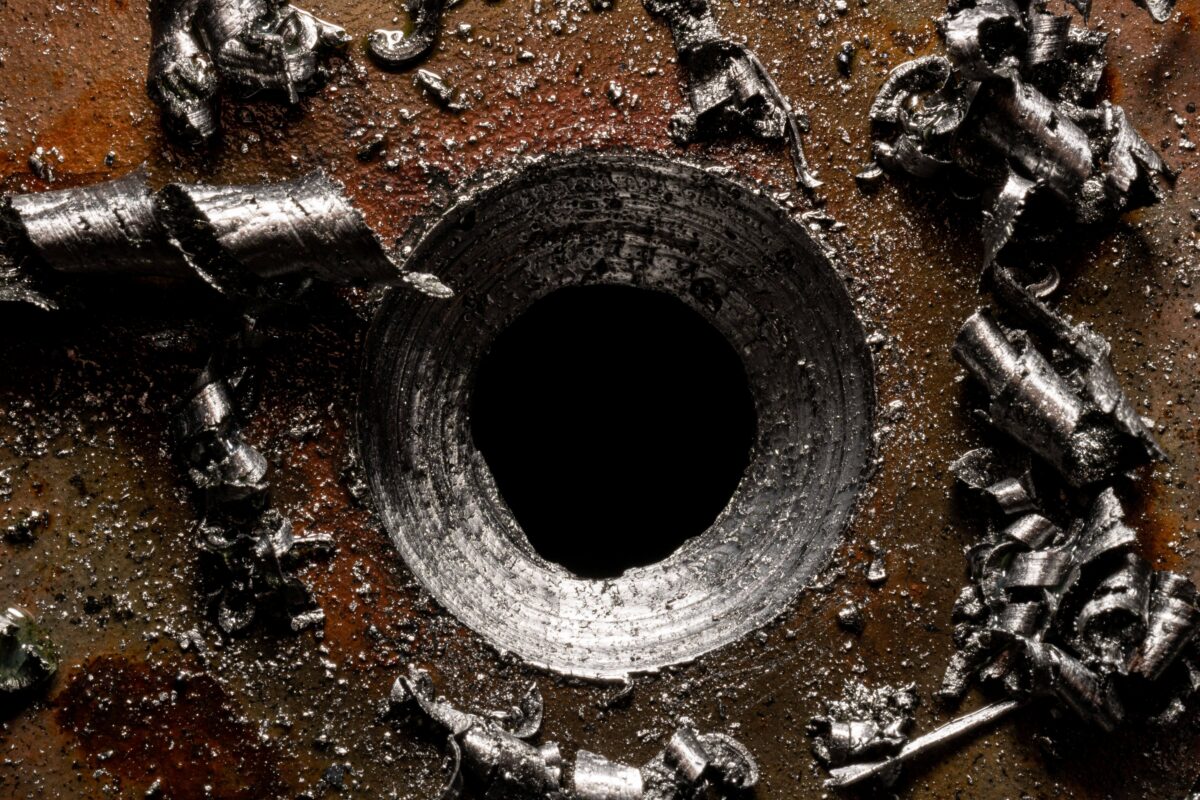
Magnesium Swarf is the fine chips, shavings, and curls created when magnesium is cut, drilled, milled, or turned during manufacturing. These residues are common in engineering workshops, automotive production, and aerospace manufacturing.

Magnesium is lightweight and useful in applications where reducing weight matters. However, machining creates small particles with a greater exposed surface area than solid metal. Fine or dry magnesium swarf can ignite under certain conditions, making correct handling essential.

Businesses should identify the type of magnesium waste they produce before deciding how to store, transport, or recycle it.

Where Does Magnesium Swarf Come From?

Magnesium swarf is generated in several industrial processes. CNC machining produces chips when equipment removes excess metal from a component. Drilling and milling create smaller particles, while turning operations can produce curled shavings.

Automotive manufacturers may generate magnesium residues when machining lightweight components. Aerospace suppliers can produce swarf while shaping specialist metal parts. General engineering businesses may also create this waste during prototype development, repairs and production runs.

The quantity and condition of the material depend on the machining process, the magnesium alloy, and the use of cutting fluids.

Separating magnesium swarf from other metal waste helps businesses maintain material quality and identify suitable recycling routes.

Why Does Magnesium Swarf Need Careful Handling?

Magnesium swarf requires particular attention because finely divided magnesium can burn intensely when ignited. Dry, fine particles may be more susceptible to ignition than larger pieces of solid metal.

Water can also be unsuitable for certain magnesium metal fires. Businesses should therefore follow a fire risk assessment, relevant safety data and advice from competent fire safety professionals.

Employees need clear procedures for collecting, moving and storing swarf. Suitable containers should be selected according to the material’s condition and the site’s risk assessment. Keep the waste away from ignition sources and incompatible materials.

Do not mix magnesium swarf with general workshop waste. Mixing can complicate recycling and increase handling risks.

Staff should know how to report overheating, smoke or other signs of a potential incident. Emergency arrangements must specify the correct response for magnesium fires rather than relying on general metal fire procedures.

How Should Businesses Store Magnesium Swarf?

Safe storage starts with identifying the material and understanding its condition. Fine dry swarf, contaminated residues and swarf containing cutting fluids may require different controls.

Use suitable, clearly identified containers that are compatible with the waste. Keep storage areas orderly, protected from unauthorised access and away from unnecessary ignition sources. Follow site procedures for ventilation, housekeeping and the prevention of dust accumulation.

Avoid compacting, grinding or handling the material in ways that could generate additional fine particles unless the process has been assessed and appropriate controls are in place.

Businesses should also keep magnesium swarf separate from aluminium, steel and other metal residues. Accurate labelling and records help workers identify the contents and support safe collection.

Magnesium Recycling and Waste Disposal

Magnesium recycling allows businesses to recover value from suitable machining residues rather than treating all swarf as waste with no further use. However, recycling depends on the material’s composition, cleanliness, and condition.

Swarf contaminated with oils, coolants or other substances may require additional assessment before a recycling facility can accept it. Keeping different materials separate can improve recovery options and reduce unnecessary processing.

Before arranging collection, businesses should explain the type of magnesium waste, its approximate quantity and any known contamination. A specialist recycler can assess whether the material is suitable for recovery and advise on appropriate packaging and transport arrangements.

Responsible waste disposal also requires businesses to understand their legal duties. In England, waste producers must follow applicable waste duty of care requirements and use appropriate authorised waste management routes. Rules may differ across the UK, so businesses should check the relevant national guidance.

For further information, consult the official GOV.UK guidance on waste duty of care.

How Can Businesses Reduce Magnesium Waste?

Better machining practices can reduce the amount of swarf produced. Regularly maintained cutting tools, suitable machining settings and effective production planning can help minimise unnecessary material removal.

Separating swarf at the point of generation also prevents contamination and supports magnesium recycling. Staff should use designated collection containers and follow consistent handling procedures.

Businesses can review waste records to identify recurring problems, estimate the quantities produced, and improve collection arrangements. Working with a suitable metal recycling specialist can help establish a practical route for managing the material.

These steps can support better resource efficiency while reducing avoidable waste and improving workplace controls.

Choosing a Magnesium Recycling Partner

A suitable recycling partner should understand the handling requirements associated with magnesium swarf. Businesses should discuss material identification, contamination, packaging, collection arrangements and the documentation required for each transfer.

Check that the proposed waste management route is appropriate for the material and that the relevant authorisations are in place. Clear communication helps prevent unsuitable loads, delays and unnecessary disposal costs.

For businesses producing magnesium machining residues regularly, an agreed collection process can make waste management more consistent and easier to monitor.

Magnesium Swarf is a valuable industrial residue that requires careful management. Safe handling, suitable storage, waste segregation, and responsible waste disposal help reduce risks and support material recovery.

By improving machining practices and arranging appropriate magnesium recycling, businesses can manage their magnesium waste more efficiently and make better use of valuable resources.

How Is Magnesium Scrap Recovered and Reused?

Magnesium scrap is sorted, checked, and processed for reuse. Good magnesium recycling helps businesses recover valuable metal, cut waste, and support a circular economy.

What Is Magnesium Scrap?

Magnesium scrap is unwanted metal made during production, engineering, and product dismantling. Common examples include machining swarf, metal offcuts, rejected castings, and damaged parts.

Magnesium is light and used in car parts, aerospace parts, electronics, and industrial equipment. Recovering suitable scrap helps put this metal back into manufacturing instead of sending it for disposal.

The recycling route depends on the material’s condition, alloy mix, and impurity levels. Clean, solid pieces may be easier to process than fine swarf with oils, coolants, or other substances.

How Is Magnesium Scrap Recovered and Reused?

Magnesium recycling has several stages, from collection and sorting to processing and quality checks. Each stage helps decide whether the scrap can become reusable metal.

Collection and Identification

The process starts when businesses collect magnesium scrap from production lines, workshops, and engineering work. Separating magnesium from other metals helps keep impurities out and makes recovery more efficient.

Identifying the alloy, where possible, also helps recycling operators choose the right method. Different magnesium grades may need different treatment to keep the properties needed for later use.

Businesses should store scrap in suitable containers and follow safe handling steps. Magnesium dust, fines, and swarf need special care because fine magnesium can be a fire risk.

 Sorting and Inspection

After collection, the scrap is checked for its condition and fit for recycling. Operators look for foreign materials, coatings, oil residue, and other debris that could affect recovery.

Solid parts may be separated from machining waste and mixed-metal pieces. Where needed, material checks show whether the scrap suits a specific recycling process.

Good sorting improves material quality and lowers the risk of impurities in later steps. It also helps businesses see how much magnesium they can recover from their work.

Preparation for Recycling

Suitable magnesium scrap is prepared based on its form and condition. This may mean removing unwanted parts, separating different grades, or readying solid pieces for specialist processing.

Machining swarf and chips need extra care because their small size, dirt, and moisture can make handling harder. They should not always be treated the same way as clean, solid offcuts.

Magnesium reacts strongly, especially when it is in fine particles. Preparation must therefore follow safe controls and use tools made for the material. Businesses should not crush, heat, or melt magnesium waste without specialist review.

Melting and Metal Recovery

Where remelting is suitable, prepared scrap is processed with suitable industrial equipment under controlled conditions. Operators manage heat, atmosphere, and material handling to limit oxidation and unwanted reactions.

The exact method depends on the magnesium grade, scrap condition, and planned use. Some materials need extra treatment before melting, while soiled or finely divided waste may need a different recovery route.

During processing, the recovered metal may undergo composition checks to see whether it meets the needs of a given manufacturing use.

This stage lets suitable magnesium scrap become a secondary raw material, helping reduce reliance on newly made metal. It also supports magnesium production by giving manufacturers another feed source.

Quality Checks and Reuse

Recovered magnesium must meet the quality needs of its planned use. Depending on the material, checks may review alloy mix, impurities, and consistency.

Suitable metal can then be supplied to manufacturers for new parts or other compatible products. Some businesses also form magnesium into parts from reclaimed metal. If the recovered alloy does not match the original spec, another use or process route may need to be found.

Quality control helps make sure recycled metal works well in its next use. Good records can also support responsible waste management and improve tracking.

Where do people use recovered magnesium?

Recovered magnesium can return to manufacturing when its quality and mix meet the needed specs. Possible uses include car parts, industrial castings, engineering products, and other suitable metal parts.

For example, clean magnesium offcuts from a parts maker may be processed into secondary metal feedstock. A manufacturer can then use this material to make new parts, provided it meets the right requirements.

This keeps valuable metal in circulation and supports a circular economy by reducing the need to throw away usable resources.

What Are the Benefits of Magnesium Recycling?

Magnesium recycling helps businesses manage metal waste while making better use of available resources. Recovering suitable scrap cuts the amount sent for disposal and can lower demand for primary raw materials.

Producing secondary metal may also use less energy than making primary magnesium, although the actual savings depend on the recycling method, material quality, and processing needs.

For manufacturers, good recovery can improve waste sorting and show ways to cut material loss during production. These gains support more efficient resource management and responsible industrial practice.

By keeping suitable magnesium in use, businesses can support a circular economy in which materials are recovered and reused instead of thrown away after a single production cycle.

How Can Businesses Manage Magnesium Scrap Effectively?

Businesses can improve magnesium recovery by spotting where scrap is made and separating it at the source. Clear storage plans help keep impurities out and make material easier to assess.

Staff should understand the different handling needs for solid magnesium, machining swarf, and fine particles. Suitable storage, safe handling steps, and advice from a specialist recycling operator can help reduce risks.

Businesses should also sort their waste correctly and use the right, authorised waste management route. The UK Government’s guidance on classifying waste explains how businesses can find the correct waste class.

Keeping accurate records of waste amounts and collection plans can help businesses track performance, spot repeat waste streams, and improve resource efficiency.

Magnesium Recycling Services

Managing magnesium scrap well helps businesses recover valuable materials and cut avoidable waste. Spotting the type and condition of the scrap is an important first step toward choosing a suitable recovery route.

MetalCycle provides metal recycling services for businesses handling different types of industrial metal waste. Check out magnesium recycling service to learn more about managing magnesium scrap.

Good segregation and suitable recycling arrangements help businesses make better use of resources while supporting more sustainable waste management.

Why Magnesium Waste Requires Careful Management

Careful management of magnesium waste is an important consideration for UK businesses involved in manufacturing, engineering, and metalworking. Magnesium is a lightweight metal used in automotive components, aerospace equipment, and industrial machinery. However, some forms of magnesium waste can create fire risks if handled incorrectly. Safe storage, correct segregation, and responsible magnesium recycling help businesses protect workers and recover valuable materials.

Magnesium waste needs safe handling because fine particles and machining residues can ignite. Proper storage, segregation, and recycling help reduce risks.

Why Magnesium Waste Requires Careful Management

Magnesium waste requires careful management because its physical form affects its handling risks. Solid magnesium components behave differently from fine powders, filings, and machining residues. Fine particles can ignite more readily under certain conditions, making suitable storage and handling essential.

Businesses should identify their magnesium waste before arranging collection. Mixing materials, allowing residues to accumulate, or using unsuitable containers can increase risks. Understanding the material’s condition helps companies establish appropriate procedures for storage, transport and recovery.

Effective waste management also helps prevent contamination and supports the recovery of reusable metal. By assessing waste streams early, businesses can make safer decisions and reduce avoidable disposal.

What Types of Magnesium Waste Do Businesses Generate?

Magnesium waste can arise during manufacturing, machining, fabrication and product assembly. Common examples include offcuts, rejected components, casting residues, filings and metal swarf.

Machining operations require particular attention because they can produce small particles and fine residues. Oils, coolants, coatings and other contaminants may also affect how the waste should be handled.

End-of-life magnesium components can come from vehicles, machinery and industrial equipment. Businesses should identify these materials and assess their condition before selecting a suitable recycling route.

Separating different waste streams makes identification easier and helps recycling providers determine the appropriate recovery process.

Fire Risks Associated with Magnesium Scrap

Fire prevention is a major reason why magnesium waste requires careful management. Fine magnesium particles can ignite under certain conditions, particularly when exposed to sparks, excessive heat, or unsuitable processing methods.

Grinding, cutting and other industrial activities should be assessed carefully where magnesium residues are present. Accumulated dust and swarf must not be treated as ordinary metal waste without considering their specific risks.

Businesses should conduct suitable risk assessments, train employees and establish clear emergency procedures. Staff must understand which firefighting methods are appropriate for magnesium fires. Water and conventional extinguishing methods may be unsuitable for burning magnesium, so specialist guidance is essential.

Good housekeeping, suitable equipment and clear safety procedures help reduce the likelihood of incidents and protect workers, machinery and nearby facilities.

How Should Magnesium Waste Be Stored?

Safe storage helps prevent accidental ignition, contamination and unwanted mixing. Containers and storage areas should be selected according to the type, condition and assessed risks of the magnesium waste.

Fine powders, machining residues and solid metal offcuts may require different storage arrangements. Businesses should not assume that one method is suitable for every material.

Waste should be clearly labelled and separated from incompatible substances. Storage areas should be kept orderly, and unnecessary handling should be avoided where it could generate airborne dust or introduce ignition sources.

Regular inspections can identify damaged containers, contamination, and other potential problems. Any unusual heating or suspected reaction should be addressed through established safety procedures before the material is moved.

Why Waste Segregation Matters

Separating magnesium waste from other scrap metals helps improve safety and supports efficient recovery. Mixed materials can make identification difficult and introduce contaminants that affect processing.

For example, magnesium swarf containing oils or coolants may require different treatment from clean magnesium offcuts. Mixed metal waste may also need further assessment before a recycling facility can accept it.

Clear labelling and accurate waste descriptions help collection teams understand the material they are handling. Businesses should communicate its composition, physical form and known contamination when arranging collection.

Effective segregation improves traceability, reduces avoidable handling problems and helps ensure that magnesium waste reaches an appropriate recovery facility.

How Magnesium Recycling Supports Resource Conservation

Magnesium has valuable properties, including its low weight and usefulness in engineering applications. Magnesium recycling helps recover suitable scrap and return reusable metal to manufacturing supply chains.

The recycling process depends on the material’s composition and condition. A receiving facility may need to inspect, sort, and prepare the scrap before processing it. Contaminated or mixed materials may require additional assessment.

Clean, correctly identified scrap can be easier to recover than poorly segregated waste. Businesses can therefore support efficient resource recovery by separating magnesium at the point where waste is generated.

Recycling suitable materials can reduce reliance on newly produced metal and support a circular economy. However, recovery methods must account for the specific characteristics and safety requirements of magnesium.

Legal Responsibilities for Managing Magnesium Waste

UK businesses must classify and manage waste appropriately. Requirements can vary across England, Wales, Scotland and Northern Ireland, so companies should follow the regulations applicable to their location.

Businesses should assess the composition and characteristics of magnesium waste rather than assuming every waste stream has the same classification. Contamination and physical condition may affect the assessment.

Where Does Magnesium Waste Come From?

Magnesium waste comes from manufacturing, machining, casting, engineering, vehicle production, and the processing of magnesium alloys. Businesses that understand where magnesium waste comes from can improve waste segregation, recover valuable scrap and support more efficient resource management through magnesium recycling.

Magnesium waste is generated when businesses manufacture, machine, shape or repair products containing magnesium. Common examples include machining swarf, offcuts, rejected components, casting residues and damaged parts. Correct identification, segregation and handling help businesses manage this waste and identify suitable recycling opportunities.

What Is Magnesium Waste?

Magnesium waste includes unwanted materials and discarded components containing magnesium metal or magnesium alloys. These materials can arise during production, component fabrication, maintenance and the removal of defective products.

Magnesium is valued for its low weight and useful mechanical properties. It is used in industries where reducing component weight is important, including automotive manufacturing, aerospace engineering, electronics and specialist industrial applications.

However, not all magnesium waste is generated in the same way. Clean production offcuts may be suitable for material recovery, while contaminated scrap, mixed-metal waste and fine machining residues may require different handling and processing arrangements.

Understanding the source and condition of magnesium waste helps businesses determine the most appropriate management and recycling route.

Where Does Magnesium Waste Come From in Manufacturing?

Manufacturing is a major source of magnesium scrap because production processes often involve cutting, shaping, casting and finishing metal components. Material can be lost at several stages, from the preparation of raw materials to final quality checks.

Machining and Metal Fabrication

Machining processes such as milling, drilling, turning and cutting can generate magnesium swarf, chips and fine metal residues. These materials are produced when excess metal is removed to achieve the required dimensions and surface finish.

Fabrication can also create offcuts and unused sections when magnesium sheets, bars or other stock materials are cut to size. Although these materials may no longer be suitable for their original purpose, they can retain recoverable metal value.

Separating magnesium scrap from other metals, oils and workshop waste helps businesses maintain material quality and identify suitable recovery options.

Magnesium Casting

Casting is another source of magnesium waste. Manufacturers melt magnesium or magnesium alloys and form them into components using moulds and specialised production equipment.

Waste may arise from rejected castings, excess material, runners, gates and other parts of the casting system. Defective components may also be discarded when they fail dimensional or quality requirements.

The recycling suitability of casting residues depends on their composition, condition and any contamination introduced during production. Keeping different alloy grades separate can help support appropriate material recovery.

Component Manufacturing and Assembly

Magnesium components are used in selected automotive parts, electronic housings, machinery and other engineered products. Manufacturing these components can generate scrap when parts are trimmed, modified or rejected during assembly.

Damaged components, production rejects and unused magnesium-alloy parts may all contribute to a business’s metal waste stream.

Companies can reduce avoidable waste by reviewing production methods, improving quality control and separating magnesium-bearing materials before they become mixed with general scrap.

How Do Automotive and Aerospace Industries Generate Magnesium Scrap?

Automotive and aerospace manufacturers use magnesium alloys in applications where weight reduction is an important design consideration. Producing lightweight components can generate scrap during machining, casting, finishing and component assembly.

In automotive manufacturing, waste may include rejected housings, machined parts, offcuts and defective alloy components. Aerospace-related engineering can generate machining residues and unused material from precision manufacturing, although the exact waste streams depend on the component and production process.

These materials should not automatically be treated as interchangeable. Alloy composition, coatings, contamination and traceability requirements can affect whether scrap is suitable for recycling.

Businesses should identify the material accurately and consult an appropriate recycling provider before combining different magnesium waste streams.

Can Maintenance and Equipment Repairs Generate Magnesium Waste?

Magnesium waste can also arise outside routine production. Equipment repairs, component replacement and industrial maintenance may result in damaged magnesium-alloy parts being removed from service.

Examples include discarded housings, worn components and damaged parts from machinery or specialist equipment. Refurbishment and product replacement can also generate magnesium-bearing waste when components reach the end of their useful life.

Identifying these materials during maintenance helps prevent recyclable metals from being mixed with general waste. Where the composition is uncertain, businesses should establish the material type before arranging collection or processing.

Why Is Correct Magnesium Waste Segregation Important?

Magnesium scrap needs appropriate identification and handling because its condition can influence both its recycling value and its safety requirements.

Clean, identifiable scrap is generally easier to assess than material mixed with plastics, other metals, oils or workshop residues. Separating magnesium from aluminium, steel, copper and other alloys can help reduce contamination and improve the efficiency of subsequent processing.

Fine magnesium swarf and dust require particular attention because finely divided magnesium can present a fire hazard. These materials should not be handled or stored in the same way as ordinary metal offcuts. Businesses must follow suitable risk assessments, handling procedures and specialist advice for the specific waste stream.

Good segregation practices also help businesses maintain more accurate waste records, improve housekeeping and identify opportunities to reduce material losses.

How Does Magnesium Recycling Help Businesses Recover Valuable Materials?

Magnesium recycling provides a route for recovering suitable metal from manufacturing scrap and other discarded magnesium-bearing materials. Instead of sending recoverable material for disposal, businesses can assess whether it is suitable for processing and reuse.

The recycling route depends on the scrap’s composition, cleanliness, physical form and contamination level. Some materials may be suitable for direct remelting after appropriate preparation, while others need additional sorting or specialist treatment.

Recycling can help conserve primary resources, reduce demand for newly extracted material and support more efficient use of metals in manufacturing. The actual environmental benefits depend on the material recovered, the processing method and the energy required.

Businesses can support these outcomes by identifying magnesium waste at its source, keeping suitable scrap separate and working with an appropriate recycling provider.

How Can Businesses Manage Magnesium Waste More Effectively?

Effective magnesium waste management begins with understanding which activities generate scrap and how much material is produced. Reviewing machining, casting, fabrication and maintenance operations can help identify recurring sources of waste and opportunities to prevent unnecessary losses.

Businesses should establish clear segregation procedures, label waste containers and avoid mixing magnesium with incompatible materials. Particular care is needed for swarf, fine residues and other forms of magnesium that may present additional handling risks.

Waste contractors should be given accurate information about the material, including its form, condition, possible contamination and estimated quantity. This information helps determine suitable collection, transport, storage and recycling arrangements.

Regular monitoring can also reveal whether production improvements, better cutting practices or more effective quality control could reduce the amount of scrap generated.

Arrange Magnesium Recycling with MetalCycle

Businesses that generate magnesium scrap can benefit from a suitable recycling route that considers the material’s composition, condition and handling requirements. MetalCycle helps businesses manage metal recycling requirements and identify appropriate options for different metal waste streams.

Whether magnesium waste comes from machining, casting, fabrication, or component manufacturing, identifying the material correctly is an important first step towards responsible recovery.

Explore MetalCycle’s magnesium recycling service to learn more about recycling options for business-generated magnesium scrap.

What Types of Magnesium Waste Can Businesses Recycle?

Businesses across the UK generate magnesium waste through manufacturing, engineering, machining, and metal fabrication. Understanding what types of magnesium waste businesses can recycle helps companies recover valuable materials, reduce disposal, and manage industrial waste more effectively. Common recyclable materials include magnesium offcuts, alloy scrap, machining residues, rejected castings and end-of-life components. The best recycling route depends on material composition, contamination, and safe-handling requirements.

Magnesium waste includes offcuts, swarf, alloy scrap, castings and unwanted components. Correct identification, segregation and specialist handling help businesses assess recycling options.

What Types of Magnesium Waste Can Businesses Recycle?

Magnesium is a lightweight metal used in automotive manufacturing, aerospace engineering, electronics and machinery. Production and maintenance activities can generate different forms of magnesium scrap, many of which may be suitable for specialist recovery.

  1. Magnesium Machining Swarf and Turnings

Machining operations such as drilling, milling and turning remove excess metal to produce finished components. These processes generate magnesium swarf, chips and turnings that may be suitable for recycling.

However, machining residues can contain oils, lubricants and other contaminants. Fine magnesium particles also require particular care because they can present a fire risk. Businesses should keep these materials separate and obtain specialist advice about suitable storage, packaging and collection arrangements before moving them.

  1. Magnesium Offcuts and Fabrication Scrap

Cutting and shaping magnesium stock can leave offcuts, trimmings and unused sections. These materials are common in fabrication workshops and industrial manufacturing facilities.

Clean, identifiable offcuts are easier to assess for recycling because their composition is often known. Keeping them separate from steel, aluminium and general waste helps maintain material quality and makes recovery more straightforward.

  1. Magnesium Alloy Scrap

Magnesium alloys combine magnesium with other elements, such as aluminium, zinc or manganese, to achieve specific properties. They are used in components where strength and low weight are important.

Alloy scrap can come from manufacturing leftovers, rejected products and unused materials. Businesses should identify the grade where possible because different alloys may require separate processing routes. Providing material specifications helps a recycling specialist assess the most appropriate recovery option.

  1. Rejected Magnesium Castings

Casting processes produce shaped metal components for vehicles, machinery and industrial equipment. Defective castings, unwanted runners and rejected parts can become recyclable magnesium waste.

These items may retain recovery value when their composition is known and contamination is limited. Businesses should identify attached materials, coatings and inserts that could affect processing. Keeping rejected castings separate from mixed waste can simplify inspection and improve material traceability.

  1. End-of-Life Magnesium Components

Magnesium components can reach the end of their useful life when machinery is replaced, equipment is dismantled or products are refurbished. Examples include suitable housings, brackets and lightweight structural components.

Some parts contain plastics, steel fasteners, coatings or electrical components alongside magnesium. A specialist assessment can establish whether the magnesium can be separated and recovered. Businesses should avoid assuming that complete mixed assemblies are suitable for direct metal recycling.

  1. Production Rejects and Unused Magnesium Materials

Manufacturing facilities may generate unfinished components, incorrectly machined parts and unused magnesium stock. These materials can be suitable for recycling if their composition and condition are established.

Separating production rejects from general waste helps businesses keep useful metal in circulation. Recording the material grade and source can also make future waste management more efficient.

How Should Businesses Prepare Magnesium Waste for Recycling?

Effective recycling magnesium begins with identifying the waste streams generated by each process. Businesses should record the material type, approximate quantity, known alloy grade and any contamination.

Keep different metals separate and use suitable storage arrangements recommended by a competent specialist. Magnesium swarf and fine particles need particular attention because their physical condition can affect fire risk. Do not assume that ordinary scrap storage procedures are appropriate or introduce water or other substances without specialist advice.

Businesses should also identify oils, coatings, plastics and attached components that could affect recovery. Sharing accurate information with a recycling provider helps determine suitable handling and processing arrangements.

For relevant safety information, consult the Health and Safety Executive and review applicable Environment Agency waste guidance. Requirements depend on the activity, material and location, so businesses should check the rules that apply to their operations.

Why Is Recycling Magnesium Important?

Recycling suitable magnesium waste helps businesses recover valuable materials and reduce the amount sent for disposal. It also supports more efficient resource use and the principles of a circular economy.

Segregating scrap at the point of production can reduce contamination and make material identification easier. Reviewing the waste generated during machining and fabrication may also reveal opportunities to reduce offcuts and improve manufacturing efficiency.

The value of magnesium scrap depends on its grade, quantity, condition, contamination, and current market demand. Not every magnesium-containing product will be suitable for the same recycling process, so professional assessment is important.

Businesses generating other metal waste can also explore MetalCycle’s aluminium recycling, nickel recycling and titanium recycling services.

Arrange Magnesium Recycling with MetalCycle

MetalCycle supports businesses managing recyclable metal waste. Identifying magnesium offcuts, machining residues, alloy scrap and rejected components helps establish which materials may be suitable for recovery.

When enquiring about collection, provide details of the waste type, estimated quantity, material grade and condition. Explain whether the scrap consists of solid pieces, castings or fine machining residues so that handling requirements can be assessed.

Businesses can visit MetalCycle’s magnesium recycling service to explore suitable options for managing magnesium scrap.

Correct identification, safe segregation, and appropriate recovery arrangements help businesses manage magnesium waste responsibly while keeping valuable materials in circulation.

The Role of Lead Recovery in the Circular Economy

The role of lead recovery in the circular economy matters for businesses that create lead waste. Recovering lead from batteries, parts, cables, and other products helps keep valuable materials in use and cuts waste. It also supports careful use of resources by sending recovered metals back to manufacturing.

Lead recovery keeps useful metal in circulation and reduces avoidable waste.

Circular Economy Basics

A circular economy aims to keep materials in use for as long as possible. Businesses can recycle materials instead of disposing of them, allowing them to be reused in the supply chain.

Lead recovery supports this approach. Products can recover lead when they reach the end of their useful life. The recycled material can then become a secondary raw material for new manufacturing.

This process can help reduce pressure on primary resources while making better use of materials already in circulation.

Where Lead Waste Comes From

Lead waste comes from many commercial and industrial activities. Common sources include lead-acid battery waste, cable sheathing, roofing products, solder, pipes, radiation shielding, and manufacturing offcuts.

Spent batteries are an important source of reclaimed lead. Lead acid battery recycling can recover lead from batteries that are no longer fit for use.

Businesses may also create lead waste when they replace equipment, maintain machinery, or process lead-bearing parts. Spotting these materials early can improve segregation and support a more effective recycling process.

Lead Recovery and Material Recovery

Material recovery is a key part of the circular economy. It lets useful substances be separated from waste instead of being lost through disposal.

Lead is well suited to recovery because it can be recycled and used as a secondary material. Recycled lead can be processed for use in new products, helping keep valuable materials in the manufacturing cycle.

A recycling plant uses controlled steps to separate, treat, and recover materials. The exact recycling process depends on the type and condition of the waste received.

Good segregation before collection can make recovery more efficient. It can also cut pollution and help ensure that suitable waste reaches the right treatment route.

Recycling Spent Batteries

Spent batteries can contain materials with recovery value. Lead-acid batteries are different from lithium-ion batteries, which are now used more often in electric vehicles, portable electronics, and stationary energy storage systems.

Even though these battery types need different recycling methods, both show why it is important to recover materials at the end of a product’s useful life.

Lead battery recycling enables the recovery of lead from suitable waste batteries and its return to productive use. Businesses handling spent batteries should use proper storage, collection, and treatment arrangements.

Environmental Impact of Lead Recovery

Responsible lead recovery can help reduce the environmental impact linked to waste. Keeping recyclable metal out of disposal routes can conserve resources and support more efficient material use.

Recovery may also help cut the carbon footprint tied to the supply and processing of new raw materials. However, the environmental benefits depend on the recycling method, transport, energy use, and the quality of the recovered material.

For this reason, businesses should choose suitable recycling routes and work with properly licensed waste management providers.

The Environment Agency guides cover waste types and legal duties. Businesses should classify waste correctly before arranging collection or treatment.

Improving the Recycling Rate

Businesses can support a higher recycling rate by identifying lead waste at its source. Materials should be separated from unsuitable waste streams and stored correctly before collection.

Clear labels can help employees know which materials belong in each container. Staff training can also cut contamination and improve consistency.

Businesses that regularly create lead waste can review their collection records to see how much material is being recovered. This information can show where segregation can improve and where waste can be reduced.

Improving recycling helps manage resources and enables businesses to use materials more efficiently.

Recycled Lead in Manufacturing

Recycled lead can become a useful input for manufacturing. Returning recovered metal to production reduces the need to treat every end-of-life product as waste.

This approach supports the wider principles of the circular economy by keeping materials in productive use. It can also help businesses show more responsible resource management.

Lead recovery should be part of a wider waste strategy. Businesses should first look for ways to prevent unnecessary waste, then reuse where practical, and recycle where suitable.

Safe and Responsible Lead Recycling

Lead needs careful handling because exposure can pose risks to people and the environment. Businesses should therefore avoid placing lead-bearing waste into general waste streams.

Lead recycling should be arranged through proper and authorised routes. Waste should be correctly identified, stored, and transported before reaching a suitable recycling plant.

For lead acid battery waste, businesses should also check current regulatory requirements before arranging collection or treatment. The right route depends on the type and features of the waste.

Supporting a Circular Future

Lead recovery can help businesses move toward a more circular approach to resource management. Instead of letting useful metals become lost waste, recovery keeps them available for future use.

The long-term value of lead recovery comes from good segregation, responsible collection, and suitable recycling. These steps help protect valuable materials and support more efficient resource use.

For businesses that create lead waste, choosing suitable recycling routes can make a practical contribution to the circular economy while improving overall waste management.

The role of lead recovery in the circular economy is about keeping valuable materials in use. Recovering lead from suitable waste can support material recovery, reduce disposal, and provide recycled material for future manufacturing.

Businesses can strengthen this approach through correct waste classification, careful segregation, and responsible lead battery recycling. These actions support resource conservation and a more effective circular economy.