How Can Industrial Aluminium Waste Be Reused?

Industrial aluminium waste can be reused through direct recovery, sorting, remelting and recycling. Offcuts, swarf and unwanted aluminium products can become valuable secondary material instead of going to disposal.

What Is Industrial Aluminium Waste?

Industrial aluminium waste is material generated during manufacturing, engineering, fabrication, construction and other commercial activities. Common examples include aluminium offcuts, sheets, profiles, machining swarf, damaged components and fabrication remnants.

The type and condition of aluminium affect how it can be recovered. Clean scrap is generally easier to process, while material contaminated with oils, coatings, plastics or other metals may require additional treatment.

Aluminium is widely used because it is lightweight, durable and resistant to corrosion. These properties also make recovered aluminium a valuable material for further production.

How Can Industrial Aluminium Waste Be Reused?

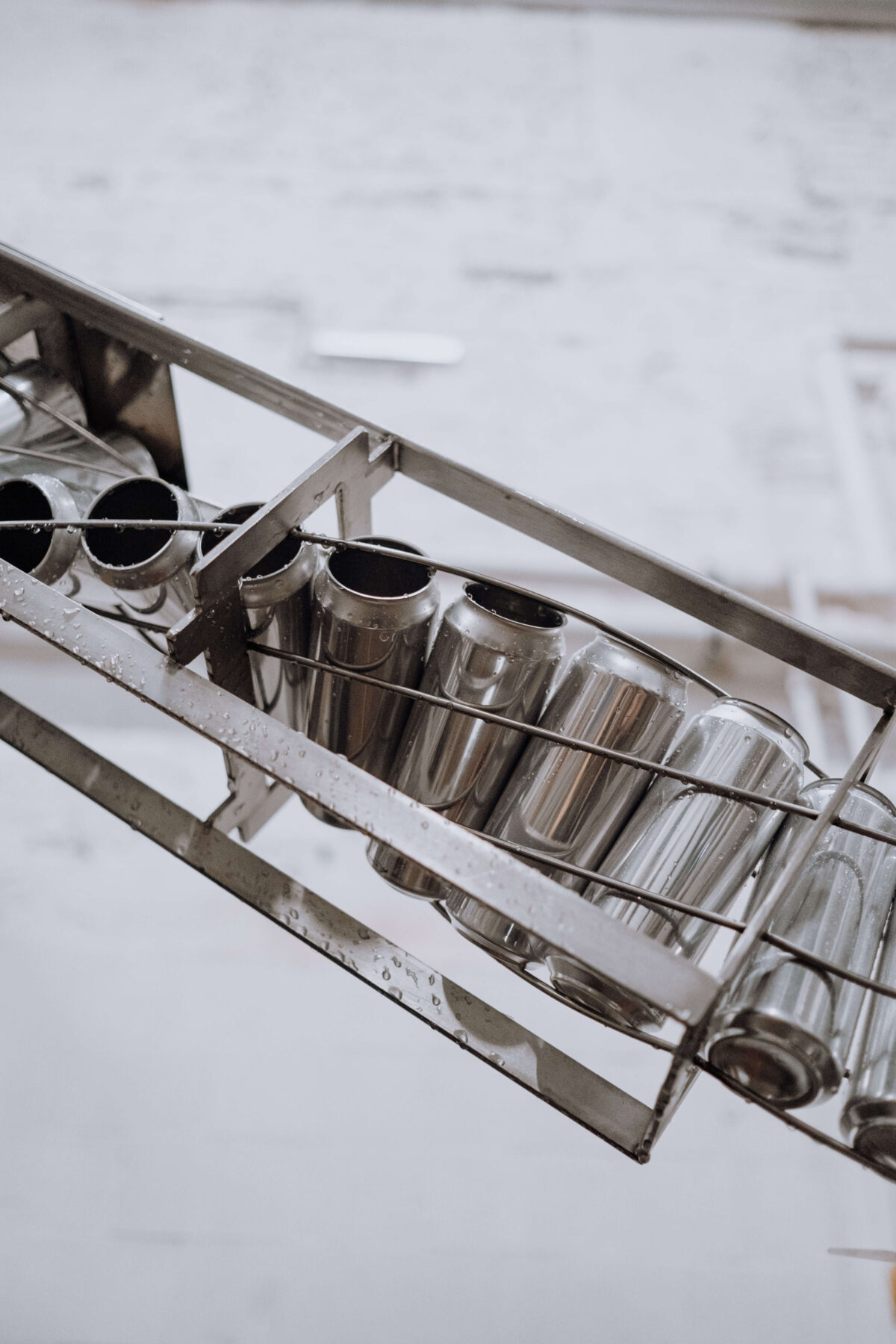
Suitable material can be used again directly or sent through a recycling process to produce secondary aluminium. The most appropriate option depends on the condition, quantity and composition of the waste.

Clean offcuts may sometimes be returned to manufacturing without being melted. They can be cut, reshaped or incorporated into another production process. Direct reuse can help retain the material’s existing value while avoiding additional processing.

When direct reuse is not practical, recycling aluminium provides an effective recovery route. Scrap can be collected, sorted, prepared and processed before being melted and converted into new aluminium products.

Reusing Aluminium Manufacturing Offcuts

Aluminium manufacturing offcuts are an important source of recyclable material. Fabrication and engineering businesses can generate leftover sections when cutting sheets, profiles and other aluminium components.

Clean offcuts should be kept separate from general waste. Where practical, businesses can reuse suitable pieces within their own operations. Material that cannot be reused can be collected as aluminium scrap for recycling.

Keeping aluminium separate also reduces contamination. This can make subsequent processing more efficient and help maintain the quality of recovered material.

The Aluminium Recycling Process

The recycling process normally begins with collection and sorting. Aluminium scrap is separated from other waste and may then be graded according to its type, alloy and condition.

After sorting, the material can be prepared for processing. This may involve removing unwanted materials, reducing the size of scrap and dealing with contamination.

The prepared aluminium is then melted in a suitable furnace. During this stage, impurities can be removed before the molten metal is cast into a form suitable for manufacturing.

The resulting recycled aluminium can become feedstock for new products. This creates a continuous material cycle in which aluminium remains useful instead of being treated as waste.

Recycling Aluminium and the Circular Economy

Recycling aluminium supports the circular economy by keeping existing materials in productive use. Instead of relying entirely on newly extracted raw materials, manufacturers can incorporate recovered aluminium into new production.

Recycling can also require substantially less energy than producing primary aluminium from raw materials. UK recycling guidance commonly highlights significant energy savings from recovering aluminium.

This makes aluminium recycling relevant to businesses looking to reduce waste while improving resource efficiency.

Why Should Businesses Recover Aluminium Waste?

Recovering aluminium waste can help businesses make better use of materials generated during production. Scrap that enters a general waste stream may lose its recovery potential, while correctly segregated aluminium can be directed towards reuse or recycling.

Aluminium scrap can also have commercial value. Its value depends on factors including alloy, cleanliness, quantity, contamination and prevailing market conditions.

A consistent collection system can make aluminium recovery easier. Clearly identified containers and suitable storage areas can help employees separate aluminium at the point where waste is generated.

Preparing Industrial Aluminium Waste for Recycling

Good preparation starts with segregation. Aluminium should be kept away from general waste and unnecessary contaminants wherever possible.

Different aluminium grades may need to be separated depending on the requirements of the recycling facility. Businesses producing aluminium swarf should also consider the presence of cutting fluids, oils or other residues.

Suitable storage can help prevent contamination and make collections more efficient. A professional recycling provider can advise on the appropriate handling and collection arrangements for different types of aluminium waste.

Reducing Industrial Waste Through Aluminium Recovery

Reusing and recycling aluminium provides an alternative to disposal. Businesses can first identify whether suitable material can be reused directly. Remaining scrap can then enter an appropriate recycling route.

This approach supports better material efficiency and helps keep aluminium within the manufacturing cycle. It can also reduce the volume of industrial waste requiring disposal.

For companies producing regular quantities of aluminium scrap, an organised recovery programme can provide a reliable route for managing valuable material.

Industrial aluminium waste can be reused through direct manufacturing applications or recovered through recycling. Offcuts, machining waste, scrap components and other aluminium materials can all have further value when properly separated and processed.

By improving segregation and using an appropriate recycling process, businesses can recover aluminium as a secondary raw material. This reduces avoidable waste and supports a more circular approach to industrial production.
Why Does Aluminium Recycling Save Valuable Resources?

Aluminium recycling keeps valuable metal in use. It cuts demand for new raw materials and supports more efficient resource use.

Reducing the Need for New Raw Materials

Primary aluminium starts with bauxite, which must be mined and processed before metal can be made. Recycling changes that chain by using aluminium that already exists.

When scrap aluminium is recovered, recyclers can sort, prepare, and melt it for new products. That means less new raw material is needed to meet demand.

Manufacturing offcuts, old parts, packaging, and end-of-life products can all supply secondary aluminium.

Saving Energy Through Aluminium Recycling

One key reason aluminium recycling saves resources is that it uses less energy than primary aluminium production.

In the International Aluminium Institute’s 2019 global comparison, recycled aluminium used 8.3 gigajoules per tonne, while primary aluminium used 186 gigajoules per tonne. That is about a 95% saving.

Primary aluminium production needs energy-heavy refining and smelting. The recycling process mainly means sorting scrap and remelting it, although energy use still depends on the material, the plant, and the system.

This makes aluminium recycling an energy efficient way to recover metal while reducing the need for primary production.

Keeping Aluminium in the Circular Economy

Aluminium recycling supports a circular economy by keeping materials in productive use instead of treating them as waste.

Aluminium keeps much of its value through repeated recycling. A used product can be collected, sorted, and turned into recycled metal. That metal can then become part of a new product and later re-enter the cycle.

This helps keep aluminium valuable for longer.

Reducing Waste and Protecting Material Value

Aluminium waste still has value. Sending recyclable aluminium to landfill means losing that material from the productive economy. Recycling gives it a new use.

Separating aluminium from mixed waste streams can make recovery more efficient. It helps recyclers find valuable scrap and send it through the right recycling process.

For commercial and industrial users, this can improve waste management and reduce the amount of recoverable material handled as general waste.

Supporting Lower-Impact Manufacturing

Using recycled aluminium can help manufacturers rely less on primary metal. The environmental benefit depends on scrap quality, transport distance, sorting methods, furnace efficiency, and the energy source used during processing.

Even with these variables, recycling gives existing aluminium another productive use. It also reduces the need to source every tonne from primary raw materials.

This makes recycled aluminium a useful input for manufacturers that want better material efficiency and lower-impact production.

Why Aluminium Scrap Should Be Recovered

Aluminium scrap can come from offcuts, construction materials, vehicle parts, packaging, and discarded products. Keeping these materials apart can make recovery more efficient.

Clean, well-sorted scrap is easier to handle and can help protect material quality during processing. Businesses can treat aluminium waste as a recoverable resource rather than just another disposal stream.

Better collection also helps prevent useful metal from being lost in mixed waste.

So why does aluminium recycling save valuable resources? It gives existing aluminium another useful life, reduces the need for virgin raw materials, and lowers the energy needed for metal production.

It also cuts waste and supports a circular economy. With good collection, sorting, and processing, aluminium can stay useful through repeated product cycles.

Recycling therefore protects the value already built into aluminium while supporting more efficient use of natural resources.

How Is Aluminium Waste Generated in Manufacturing?

Aluminium waste is created at many stages of manufacturing. It can come from cutting, machining, forming, casting and stock handling. Aluminium waste manufacturing can create clean offcuts, swarf, turnings, casting residue and rejected parts. Knowing where it starts helps companies cut scrap and improve recycling.

Aluminium Offcuts From Manufacturing

Cutting is a common source of aluminium waste. Sheets, plates, bars and profiles are often cut to size. The leftover pieces may be too small, odd shaped or no longer fit the job.

Sawing, CNC cutting, punching and trimming can all make offcuts. Better planning can reduce the amount made, but some scrap is still inevitable.

Keeping clean offcuts apart from general waste makes collection and recycling easier.

Aluminium Swarf and Turnings

Machining also creates aluminium waste. Milling, drilling and turning remove metal from a workpiece to make the right shape or size.

The waste can include swarf, chips, shavings and turnings. Some machining waste may contain cutting fluids, lubricants or other grime, so it should be stored and managed properly.

Separating aluminium swarf from other waste streams helps protect its recycling value and supports better material recovery.

Waste From Aluminium Stamping and Forming

Stamping, pressing and forming make many aluminium parts. These processes can create scrap when extra material is removed from a workpiece.

Trimming around a finished shape can leave strips and small pieces of aluminium. Production errors can also make parts that do not meet the required size or specs.

Careful planning can reduce these losses and increase the amount made into finished products.

Aluminium Casting Residues

Casting is another source of aluminium waste. Foundries may create extra material in runners, gates and other parts of a casting system.

Aluminium dross can also form during melting. Dross contains aluminium and other materials, so it is different from clean scrap. It needs the right handling and processing for its makeup.

Separating casting residues from other waste helps manufacturers find the best recovery route.

Rejected Aluminium Components

Quality control can create aluminium waste when parts fail to meet production needs. Products may be rejected because of wrong size, surface defects, cracks, grime or other faults.

Rejected parts can still hold a lot of aluminium. If they cannot return to production, they may be collected as recyclable metal rather than sent to general waste.

Tracking rejects can also help manufacturers spot repeat problems and cut avoidable losses.

Damaged Aluminium Stock

Aluminium waste can be created before manufacturing even starts. Sheets, profiles, bars and other stock may be damaged during storage, handling or movement around a site.

Poor storage, rough handling and too much stock can raise material losses. Good inventory control can cut waste by keeping materials ordered, stored and used well.

Material that can no longer serve its original use may still have value as recyclable aluminium scrap.

How can we reduce the manufacturing of aluminium waste?

To reduce aluminium waste manufacturing, start by finding where material is lost. Manufacturers can review cutting patterns, machining work, rejected parts and stock levels to find ways to improve.

Modern design and nesting software can help arrange parts more efficiently on sheets and plates. Accurate machine settings can also reduce bad cuts, faulty parts and extra scrap.

Separating different aluminium waste streams matters too. Clean offcuts, swarf, castings and dirty scrap may need different handling. Good segregation helps keep material quality high and supports efficient recycling.

Recycling Aluminium Manufacturing Waste

Aluminium manufacturing waste can often be recovered and used again as material. Suitable scrap can be collected, sorted and processed before being used again in manufacturing.

The UK waste hierarchy places waste prevention above reuse, recycling, recovery and disposal. Manufacturers should look for ways to prevent waste before choosing recycling or disposal.

For suitable scrap, aluminium recycling can send valuable metal back into the supply chain. This reduces the need to treat recyclable aluminium as general waste and supports better resource use.

Why Proper Aluminium Waste Management Matters

Aluminium is a valuable non-ferrous metal, so manufacturers should manage scrap with care. Mixing recyclable aluminium with general waste can make recovery harder and may reduce the quality of what is collected.

A well-organised waste system helps manufacturers find the main sources of scrap, improve material efficiency and keep recycling streams cleaner.

Reducing production waste also supports better resource use by keeping usable aluminium in the production cycle.

Aluminium waste is generated at many stages of manufacturing, including cutting, machining, forming, casting, quality control and storage. Common examples include offcuts, swarf, turnings, casting residues, rejected parts and damaged stock.

Manufacturers can cut waste by improving material planning, controlling production and separating aluminium scrap correctly. When waste cannot be avoided, proper recycling can recover the metal and keep it in use.

The Role of Aluminium Recycling in the Circular Economy

Aluminium recycling keeps valuable metal in use. It cuts energy demand, saves raw materials, and supports a circular economy.

What Is the Circular Economy?

The circular economy is a model that cuts waste and uses resources better. It aims to keep products, parts, and materials in use through reuse, repair, remaking, and recycling.

In a linear economy, raw materials are taken, turned into products, used, and then thrown away. This raises waste and puts pressure on natural resources. A circular model tries to keep materials in use for the long term and recover their value when products reach the end of their first use.

Aluminium is well suited to this approach because it can be recycled again and again while keeping key traits like lightness, conductance, formability, and strength. This makes recovered aluminium a useful secondary raw material.

How Aluminium Recycling Supports the Circular Economy

Aluminium recycling helps close the material loop by returning discarded metal to production. Scrap can come from manufacturing, construction, vehicles, packaging, electrical equipment, and other products. Once collected, aluminium can be sorted, prepared, melted, and turned into new products.

This reduces reliance on new raw materials. Primary aluminium production starts with bauxite mining and uses energy-heavy refining and smelting. Aluminium recycling starts with metal that is already in the economy.

The International Aluminium Institute reports that recycling aluminium can need around 95% less energy than making primary aluminium. This large gap makes recycling an important part of resource-efficient production.

By recovering aluminium instead of treating it as waste, businesses can help keep a steady flow of material between collection, processing, and manufacturing. This is a key part of the circular economy.

Reducing Energy Use and Emissions

A major benefit of aluminium recycling is lower energy demand. Primary aluminium production needs a lot of energy because alumina must first be refined from bauxite, then turned into aluminium with current.

Recycling avoids much of this first production step. Aluminium scrap still needs to be collected, sorted, prepared, and melted, but these tasks usually use much less energy than making aluminium from ore.

The International Aluminium Institute says recycled aluminium production can use about 5% of the energy needed for primary aluminium production. Recycling can also cut greenhouse gas emissions, although the exact gain depends on factors such as scrap quality, transport distance, process efficiency, and the power mix used.

Keeping existing aluminium in use can therefore cut the energy and emissions tied to making new metal from primary resources.

Conserving Natural Resources

Aluminium recycling reduces the need to rely fully on virgin raw materials. Bauxite is the main ore used to make primary aluminium, so recovering more aluminium scrap can help reduce demand for more extraction.

Resource conservation is a key part of circular economy thinking. The goal is not just to manage waste after it is created. It is also to reduce the need for new resources by recovering materials already found in products and infrastructure.

This builds a more efficient link between production and use. Instead of treating an old aluminium product as the end of its useful life, recycling gives the material a chance to enter another production cycle.

Supporting Secondary Raw Materials

Recycled aluminium is known as secondary aluminium because it is made from recovered metal rather than directly from primary raw materials. It can be used in many applications depending on its quality, alloy mix, and process route.

High-quality scrap is especially valuable because clean and well-sorted material can help recyclers make feedstock for demanding uses. Impurities and mixing between different alloys can make recycling harder and may affect the final use of recovered aluminium.

This means a circular economy depends on more than just collecting aluminium. Good sorting, identification, and processing are needed to keep material quality high and reduce needless lower-value recycling.

Businesses can support this process by separating aluminium waste from other materials where practical and using suitable recycling routes. Better segregation can improve recovery and help recyclers keep more of the metal’s value.

Businesses looking to improve their waste management can also explore appropriate aluminium recycling services to ensure scrap is collected and sent to the right recovery route.

The Role of Businesses in Aluminium Recycling

Businesses generate aluminium waste across many sectors. Manufacturing operations can produce production offcuts, machining waste, and fabrication scrap. Construction and demolition projects can generate aluminium frames, fittings, and other metal parts. Retail, hotels, and commercial operations can also produce aluminium packaging and containers.

Managing these materials well can support waste reduction and resource recovery. Businesses can identify where aluminium enters their operations, review the waste streams they create, and set up suitable collection plans.

Good waste management can also stop recyclable metal from becoming polluted. Keeping aluminium separate from unsuitable waste can make later sorting and processing more efficient.

For organisations that produce large amounts of aluminium scrap, working with a specialist recycling provider can help make sure materials are collected, processed, and sent to the right recycling plants.

Aluminium Recycling and the UK Circular Economy

The UK has an important role in building stronger circular material systems. Effective recycling depends on collection systems, good sorting and processing capacity, steady demand for recycled materials, and cooperation between waste producers, recyclers, and manufacturers.

The wider circular economy approach also motivates designers to consider future recovery when designing products. Materials that can be separated, identified, and recycled well are easier to keep in productive use.

Recycling is only one part of circularity. Longer product lives, repair, reuse, and better product design can cut waste before recycling is needed. When aluminium products truly reach the end of their useful life, high-quality recycling gives a route to recover their material value.

Challenges Affecting Aluminium Recycling

Aluminium recycling offers major resource benefits, but the process can face challenges. Aluminium products may contain different alloys, coatings, paints, plastics, and other materials, which makes separation more complex.

Alloy mixing is another issue. Different aluminium alloys contain different elements, and accurate separation can be important when manufacturers need a set material chemistry. Research projects such as the European Union’s RecAL initiative are exploring ways to improve aluminium circularity, including better alloy management and recycling processes.

Collection is also important. If aluminium waste enters mixed waste streams, the material can become harder or more costly to recover. Transport and processing costs can also affect whether a waste stream is fit for recycling.

These challenges show why a successful circular economy needs cooperation across the whole value chain, not just recycling plants.

Improving the Aluminium Recycling Process

Improving aluminium recycling starts with better collection and sorting. Clean scrap should be kept separate where possible, while mixed materials should go through suitable recovery systems.

Technology can also improve sorting and material quality. Modern recycling operations can use mechanical separation, sensor-based sorting, and controlled melting processes to recover aluminium from more complex waste streams.

Manufacturers can help by planning for recycling during product design. Cutting unnecessary material mixes, improving material ID, and making parts easier to separate can support recovery at the end of a product’s life.

The long-term aim is to build a system where aluminium stays useful as long as possible and is recovered well when a product can no longer be reused.

Why Aluminium Recycling Matters for a Circular Future

The role of aluminium recycling in the circular economy goes beyond waste management. It links resource efficiency, manufacturing, energy use, and material recovery.

Aluminium has a long service life and can be recycled again and again. The International Aluminium Institute estimates that 75% of all aluminium ever made remains in productive use, which shows the long-term value of keeping the metal in the economy.

Recycling helps build a loop in which aluminium can move from products to scrap, from scrap to recycled metal, and from recycled metal into new products. Each successful cycle lowers the need to treat valuable material as disposable.

For businesses, this approach can support more responsible resource management. Separating aluminium waste, choosing suitable recycling routes, and working with reliable recycling partners can help organisations recover material value while cutting waste.

Aluminium recycling is an important part of the circular economy because it keeps valuable metal in productive use and lowers the need for repeated primary production. Its ability to be recycled while keeping its key traits makes aluminium well suited to circular systems.

The biggest benefits come when collection, sorting, processing, product design, and manufacturing work together. Better recovery can conserve raw materials, lower energy demand, and support a stronger market for secondary aluminium.

As businesses and industries look for practical ways to cut waste and use resources more efficiently, aluminium recycling offers a practical route toward a more circular material economy.

Aluminium Offcuts: How Businesses Can Recycle Them

Aluminium offcuts can be recycled when they are kept apart, stored well and collected by a suitable recycling provider. Businesses that recycle aluminium scrap can turn waste into useful material again.

What Are Aluminium Offcuts?

Aluminium offcuts are the pieces left after cutting, trimming, drilling, machining or making products. They can include sheet, plate, bar, profile, extrusion and other shapes.

Manufacturers, fabricators and engineering firms can make aluminium offcuts in daily work. Construction firms may also make them when aluminium frames, cladding, profiles and other parts are cut to size.

Even if these pieces are treated as production waste, aluminium is still worth recycling. Keeping offcuts out of general waste helps send more material to the right recycler.

Which Businesses Produce Aluminium Offcuts?

Aluminium offcuts can come from many business and industrial jobs. Fabrication firms may have leftover sheet and profiles after cutting. Engineering workshops can make pieces during machining, while construction firms may create offcuts during fitting and installation.

Manufacturers can also create aluminium waste when they change production runs, cut materials to set sizes or remove parts that do not meet standard.

Finding where aluminium is made helps businesses set up better waste sorting. It can also make it easier to track how much material is thrown away and where waste may be cut.

Why Should Businesses Recycle Aluminium Offcuts?

Businesses can recycle aluminium to recover material that they can process and use again. Aluminium is well suited to recycling because it can be recovered again and again and sent back into making.

Recycling aluminium offcuts can reduce the amount of valuable metal that goes to general waste. It also supports a loop where existing materials stay in use for longer.

The UK Government’s recycling methodology explains that aluminium scrap can be prepared, melted, refined and cast into metal that can be sold. This makes good sorting and preparation an important part of the process.

For businesses, sorting aluminium as soon as it becomes waste can make collection and later handling easier.

How Businesses Can Recycle Aluminium Offcuts

The first step is to find where aluminium offcuts are made. Cutting stations, fabrication areas, machining workshops and installation projects are common sources.

Businesses should keep aluminium apart from steel, copper, plastic and general waste. Clear labels can help staff put each material in the right bin or storage area.

The condition of the material also matters. Clean and dry aluminium is easier to handle than material tainted with oils, coatings or other substances. If offcuts have cutting fluids or other attached material, businesses should tell their recycling provider before collection.

Once enough material has built up, a suitable recycling provider can arrange collection. The provider can check the type, amount and condition of the aluminium before choosing the best recycling route.

What Happens to Aluminium Offcuts After Collection?

After collection, we sort and prepare aluminium offcuts for recycling. Processing can include grading, cutting, cleaning and separating aluminium from other materials or dirt.

The prepared material can then be melted and refined before it is cast into forms that can be used in making.

The UK Government’s technical guidance describes scrap aluminium processing as preparation followed by steps such as melting, refining, alloying and pouring.

Correct sorting before collection is therefore important. Keeping different metals apart can help keep material quality high and make recycling more efficient.

How Should Businesses Store Aluminium Offcuts?

Businesses should store aluminium offcuts in suitable containers or set areas that keep the material secure and protected from dirt.

Aluminium should not be mixed with general waste just because the pieces are small. Clear signs can help staff know where aluminium belongs, while basic training can make sorting part of daily work.

Businesses should also think about the volume and size of their offcuts when choosing storage containers. Keeping the material tidy can make collections easier and help stop recyclable aluminium from being mixed with other waste.

Where Can Recycled Aluminium Be Used?

Once processed, recovered aluminium can go back into manufacturing and supply chains. Depending on its grade and type, recycled material can be used to make components, profiles, sheets and other aluminium products.

This allows recovered metal to stay in the wider materials cycle rather than being treated as throwaway waste.

Recycling aluminium scrap gives businesses a practical way to manage a valuable material while supporting reuse.

Aluminium Offcuts and Business Recycling

A steady recycling process starts with finding aluminium waste at its source. Businesses can then separate offcuts, store them well and arrange suitable collections.

Businesses should also follow relevant UK waste rules and use the right waste carriers and records when arranging commercial waste collections.

Aluminium offcuts do not need to become general waste. Businesses can keep them apart from other materials, store them correctly and arrange suitable recycling collections.

By choosing to recycle aluminium, businesses can recover useful material, improve waste sorting and support a more circular way to manage resources. Treating aluminium scrap as a usable resource can help keep valuable metal in circulation and reduce unnecessary waste.

What Happens to Aluminium Waste After Collection?

We collect, sort, prepare, melt, and cast aluminium waste into new products.

Aluminium waste enters the recycling process after collection. Businesses create aluminium scrap in production, construction, engineering, packaging, vehicle repair, and maintenance.

After collection, the material goes to a recycling plant for checks, sorting, and prep.

The route depends on the condition, amount, and type of aluminium waste. Clean, well-separated metal is easier to process than mixed or dirty waste.

Good waste management also helps the recycling process run more smoothly.

Where Does Aluminium Waste Go After Collection?

Collected aluminium usually goes to a sorting plant or a recycling plant. Workers check the load and separate aluminium scrap from other metals and unwanted items.

Different alloys may also stay apart because they have different mixes and uses. Eddy current separators can recover aluminium from mixed waste streams.

Commercial scrap may include sheets, profiles, frames, cans, cast parts, and machine cut-offs. Keeping these items out of general waste protects their value.

How Is Aluminium Scrap Sorted and Prepared?

Sorting matters because aluminium can carry coatings, plastic, steel parts, oil, dirt, or other waste. These must often be removed before melting.

Workers can cut, crush, or shred aluminium scrap into smaller pieces. They can also remove paint and lacquer.

The goal is cleaner feed. That means faster processing and better recovery of recycled materials.

What Happens to Aluminium Waste During Melting?

After sorting and prep, workers send aluminium scrap for melting. In a furnace, the metal heats until it becomes molten aluminium.

Workers can remove impurities before casting the metal. It can then become ingots, billets, or other forms.

This turns aluminium scrap into recycled aluminium that can return to production.

Can we use recycled aluminum in new products?

Yes. Recycled aluminium can be used in many products. It can become sheets, packaging, vehicle parts, and building and engineering products.

The quality of the recovered metal depends partly on sorting and prep. Keeping different grades and poor material apart can create a more even recycled feed.

People can recycle aluminum again and again. That makes it useful in a circular economy.

Used metal can return to production instead of becoming waste.

Why Does Aluminium Recycling Reduce Energy Requirements?

Making aluminium from raw ore uses a lot of energy. We must take the metal from bauxite and refine it.

Recycling aluminium avoids most of the energy used in primary aluminium production. The International Aluminium Institute says recycled aluminium needs much less energy than making new aluminium from ore.

This makes recovered metal a useful way to cut energy requirements in aluminium production. Recycling also lowers the need for fresh raw material extraction.

Keeping aluminium in circulation helps manufacturers use metal that has already been made.

How Does Aluminium Recycling Support Waste Management?

Effective aluminium recycling helps businesses keep valuable metal out of general waste. Sorting aluminium at the source makes collection and processing simpler.

Proper storage and set collection times can stop recyclable material from mixing with other waste streams. This supports waste management and the circular economy by putting aluminium back to productive use.

Why Is Aluminium Scrap Valuable After Collection?

Aluminium scrap stays useful after the original product reaches the end of use. Its physical traits, the recycling system, and demand from manufacturers make it valuable in scrap metal recycling.

The value of a load can change with alloy, cleanliness, amount, condition, and market prices. Clean, well-separated aluminium is usually easier to process than mixed or dirty material.

Businesses can gain by separating aluminium waste and booking collections with the right recycling provider.

Arrange Aluminium Waste Recycling

Businesses that produce aluminium waste can arrange collection so their material enters the right recycling route. MetalCycle’s waste recycling service offers aluminium waste recycling for businesses across the UK, including collection, sorting, and processing.

The Aluminium Recycling Process Keeps Material in Use

What happens to aluminium waste after collection is not just disposal. The material can move through collection, sorting, prep, melting, and casting before returning to production as recycled aluminium.

Good separation and careful waste management keep aluminium scrap in good condition and support efficient scrap metal recycling. Recycling metal saves resources, cuts energy use, and supports the circular economy by reusing materials.

How Can Businesses Reduce Aluminium Waste?

Businesses across manufacturing, construction, engineering, and fabrication can create aluminium offcuts, swarf, sheets, profiles, and damaged components. Reducing this waste can improve material efficiency, recover valuable metal, and support a circular economy that depends on reuse and recovery.

Businesses can reduce aluminium waste through better purchasing, reuse, sorting, storage, and recycling, although each stage works best when the process is managed as one system rather than as a set of isolated tasks.

How Can Businesses Reduce Aluminium Waste at Source?

Preventing waste before it is created is usually the most effective way to improve aluminium use, because the design, buying, cutting, and processing stages largely determine how much scrap is produced. Businesses should review those steps together rather than treating them as separate issues.

Ordering suitable material sizes can reduce offcuts that would otherwise be discarded. Design and production teams can also review cutting plans to make better use of sheets, plates, and profiles, which can improve yield and reduce the need for further processing.

Computer-aided design and cutting software can help firms calculate material requirements more accurately. That can reduce avoidable waste, improve production efficiency, and support tighter control over stock.

Businesses should also monitor damaged stock, since poor storage or handling can leave aluminium unsuitable for its intended use. If materials are protected correctly, much of that waste can be prevented before it becomes a loss.

Reuse Aluminium Offcuts Where Possible

Clean aluminium offcuts can often be reused for smaller jobs, prototypes, repairs, or other suitable applications. A dedicated storage area makes reusable material easier to identify, sort, and retrieve when it is needed.

Businesses can separate offcuts by size, grade, or type where practical. Clear labelling allows employees to check existing materials before ordering new stock, which can reduce both cost and waste.

Reusing suitable aluminium keeps material in use for longer and reduces demand for new resources. When internal reuse is not possible, suitable material may still be directed to another appropriate use or sent through a recycling route.

Improve Aluminium Scrap Separation

Effective segregation is a key part of aluminium waste management. Aluminium should be kept separate from general waste and, where practical, from other metals and contaminants.

Clean aluminium is easier to identify and process when it has not been mixed with plastic, wood, soil, or other waste. Separating different grades can also help maintain material quality and make later processing more reliable.

The UK Government’s recycling assessment methodology includes aluminium among recyclable materials and guides collection, sorting, and reprocessing. That kind of framework supports more consistent recovery and helps businesses treat aluminium as a recoverable asset rather than as disposable waste.

Store Aluminium Waste Correctly

Once aluminium waste is produced, businesses should store it safely and apart from general waste. Clearly labelled containers and designated scrap areas can make segregation easier and reduce the chance of mixing materials by mistake.

Good storage also helps prevent dirt. Aluminium should be protected from needless contact with other waste so that it can stay suitable for recycling.

For businesses in England, GOV.UK guidance says commercial waste producers should keep waste to a minimum by preventing, reusing, recycling, or recovering it in that order. Businesses must also sort and store waste safely and securely, which makes compliance easier and supports better waste control.

Train Employees to Reduce Aluminium Waste

Employees have an important role in preventing aluminium waste. Simple workplace guidance can explain which materials should be reused, separated, and recycled, and why those steps matter in day-to-day operations.

Clear signs near production areas and storage points can remind staff where aluminium scrap should go. Teams should also be encouraged to report repeated problems such as cutting errors, damaged stock, or unnecessary material use, because those issues often point to a wider process failure.

Measure Aluminium Waste Regularly

Measuring aluminium waste helps businesses see where material is being lost. Companies can record the amount of aluminium bought, used in finished products, and collected as scrap, then compare those figures over time.

Comparing the numbers can show changes in production efficiency and reveal where better purchasing, cutting, storage, or handling may reduce waste. Regular monitoring creates a clearer picture of aluminium use and helps businesses spot practical ways to improve.

Choose Professional Aluminium Recycling

When aluminium cannot be reused, recycling gives businesses a way to recover the material. Professional recycling services can collect suitable business aluminium scrap and send it through the right processing routes.

Recycling allows valuable metal to remain in circulation instead of being needlessly disposed of. Recovered aluminium can become recycled aluminium for use in new products and manufacturing processes, which supports both resource efficiency and wider recovery goals.

Why Reducing Aluminium Waste Matters

Reducing aluminium waste can improve material efficiency and help businesses make better use of resources. Aluminium scrap also holds material value, so segregation and recycling are key parts of responsible waste management rather than optional extras.

Using recycled aluminium can reduce reliance on newly extracted raw materials. Keeping aluminium in productive use also supports the circular economy, where materials are recovered and reused rather than treated as disposable.

The waste hierarchy places prevention, reuse, and recycling above recovery and disposal. Businesses can therefore look for ways to prevent aluminium waste first, reuse suitable material next, and recycle remaining scrap.

Build a Practical Aluminium Waste Plan

A practical aluminium waste plan should cover purchasing, production, reuse, storage, and recycling. Businesses can review how much aluminium they buy, identify common sources of waste, and improve the way scrap is separated.

Employees must understand how to handle reusable material and know where to store different types of aluminium scrap. Regular reviews can then show further opportunities to reduce waste and make the system more consistent.

We do not limit reducing aluminum waste to recycling alone. By preventing unnecessary waste, reusing suitable offcuts, improving segregation, and recycling remaining scrap, businesses can use aluminium more efficiently and keep valuable materials within the circular economy.

Why Is Aluminium Waste Valuable After Use?

Aluminium waste remains valuable because it is a recyclable material that can be recovered and used again. Businesses create aluminium waste in manufacturing, construction, engineering, maintenance, and other industrial work. Rather than sending useful metal to disposal, businesses can recover aluminium scrap through recycling aluminium and return it to the manufacturing cycle.

Aluminium waste has value because it can be recovered, recycled, and reused as recycled metal.

Why Is Aluminium Waste Valuable After Use?

Aluminium is widely used because it is light, strong, resists corrosion, and is easy to shape. When an aluminium product reaches the end of its useful life, the metal itself can still have value.

Aluminium waste can include sheets, profiles, castings, machining swarf, parts, and manufacturing offcuts. The value of each waste stream can depend on its grade, cleanliness, quantity, and level of dirt.

Keeping different aluminium waste streams separate can make recovery easier. Clean, well-sorted aluminium scrap is usually a better fit for efficient recycling because less preparation is needed before processing.

How Recycling Aluminium Recovers Value

The aluminium recycling process usually starts with collection and sorting. They separate aluminum from other materials before preparing it for processing. Depending on the waste stream, unwanted materials and dirt may need to be removed.

We can process and melt the prepared scrap to produce recycled metal. This material can be used to make new aluminium products, helping keep useful resources in use.

Recycling aluminium can also cut demand for primary aluminium production. Making aluminium from recycled material can need less energy than making primary aluminium from raw materials.

Aluminium Waste and Environmental Benefits

Recovering aluminium can support better resource use and help cut waste sent for disposal. Recycling can also lower energy demand and related gas emissions compared with primary metal production.

Cutting CO2 emissions is another important point, since the environmental benefits depend on the recycling method, energy source, material quality, and other stages of the supply chain.

The international aluminium industry relies on both primary and recycled material to meet demand. Increasing the recovery of suitable aluminium waste can therefore support a more circular way to use materials.

Which aluminium waste can we recycle?

Many commercial aluminium waste streams can be a good fit for recycling. These may include aluminium sheets, profiles, extrusions, castings, machining waste, parts, and manufacturing offcuts.

Businesses should identify aluminium waste where it is created and keep suitable materials separate from mixed waste. Good separation can help protect material quality and make the recycling process more efficient.

Why Businesses Should Recycle Aluminium Waste

Recycling aluminium lets businesses recover a material that still has practical and commercial value after its first use. It can reduce disposal, support resource efficiency, and return recovered metal to manufacturing.

For businesses that produce regular aluminium waste, working with a suitable recycling service can provide a clear way to collect, sort, and process these materials.

Common Sources of Aluminium Waste in Industry

Aluminium is widely used across modern industry because it is lightweight, durable, corrosion resistant and easy to shape. As a result, Common Sources of Aluminium Waste in Industry can be found across manufacturing, construction, engineering, packaging, transport and maintenance. Much of this material can be separated and sent for aluminium recycling rather than being placed in general waste.

Industrial aluminium waste commonly includes offcuts, sheets, profiles, swarf, packaging and damaged components. Separating these materials can support efficient recycling and better waste management.

Manufacturing and Engineering

Aluminium manufacturing is a major source of industrial aluminium waste. Factories may cut, drill, mill, press or shape aluminium to produce finished products and components. These processes can create aluminium offcuts, trimmings, rejected parts and unused sections.

Engineering workshops can also produce aluminium scrap when components are repaired, modified or manufactured. Cutting and machining can create smaller pieces, while fabrication work may leave larger sections. Keeping aluminium separate from other metal waste can make collection and recycling aluminium more efficient.

Construction and Building Work

Construction projects generate aluminium waste from doors, windows, roofing systems, cladding, frames, partitions and other building components. Cutting materials to fit specific structures can leave aluminium profiles, aluminium sheets and other offcuts.

Renovation and demolition work can also produce significant amounts of aluminium scrap. Old frames, profiles and fittings may be removed during refurbishment. Separating aluminium before it becomes mixed with other waste can support better material recovery.

Packaging and Food Manufacturing

Packaging is another important source of aluminium waste. Food manufacturers, catering businesses, warehouses and distribution operations may use aluminium trays, foil, containers and other packaging products.

Manufacturing sites can also produce rejected or damaged packaging that cannot be used. Clean aluminium is generally easier to sort and process than material contaminated with other substances. Appropriate storage can therefore help businesses maintain cleaner waste streams.

Transport and Automotive Industries

The transport and automotive sectors use aluminium in vehicle bodies, panels, frames, components and other applications. Manufacturing and repair activities can therefore produce aluminium offcuts, damaged parts and machining waste.

Automotive and engineering workshops may also generate aluminium swarf. This consists of small chips and fragments created when aluminium is cut or shaped. Keeping aluminium swarf contained and separated can make it easier to handle as a recoverable metal stream.

Electrical and Industrial Equipment

Aluminium is used in electrical and industrial equipment because of its low weight, conductivity and corrosion resistance. Manufacturing and maintenance activities can generate aluminium housings, components, fabrication offcuts and other aluminium waste.

Equipment upgrades and replacements can also leave redundant aluminium parts. Separating these materials from mixed waste can help businesses identify suitable materials for aluminium recycling.

Common Sources of Aluminium Waste in Industry

The sources of aluminium waste vary between industries and production processes. Manufacturing and aluminium production can generate offcuts, rejected products and machining residues. Construction can produce profiles, sheets, frames and fittings, while transport and engineering businesses may generate damaged components and aluminium swarf.

Packaging operations can create trays, foil and containers, while maintenance and equipment replacement can leave unwanted aluminium parts. Identifying these sources allows businesses to understand where aluminium waste is generated and establish suitable collection arrangements.

Common Forms of Aluminium Waste

Aluminium waste can occur as sheets, profiles, extrusions, pipes, plates, cans, trays, foil, machining swarf, offcuts and damaged components. Some materials may contain paint, coatings, oils or other substances, which can affect how they should be stored and processed.

The Environment Agency classifies aluminium under waste code 17 04 02 within the non-ferrous metal waste stream. Its guidance covers activities including sorting, grading, baling and cutting suitable scrap metal.

Why Separating Aluminium Waste Matters

Separating aluminium where it is generated can make industrial waste management more organised. It can reduce contamination, support more efficient collection and help businesses recover a material that can be processed into new products.

The UK Government’s recycling assessment methodology recognises aluminium as a recyclable material, while also noting that non-aluminium content can affect material recovery. Keeping aluminium separate from unsuitable waste can therefore support cleaner recycling streams.

Businesses can use suitable containers, clear labels and dedicated storage areas to prevent different waste streams from becoming unnecessarily mixed. The appropriate approach will depend on the type, quantity and condition of the aluminium waste.

How Businesses Can Manage Aluminium Waste

Effective waste management starts with identifying where aluminium is generated. Businesses can then separate aluminium offcuts, swarf, packaging and larger aluminium scrap into suitable waste streams.

Regular collections can help prevent storage areas from becoming overcrowded. Staff training can also reduce cross-contamination by ensuring employees understand which materials belong in each container.

For regulated waste activities, businesses should check the requirements that apply to their location and operations. In England, the Environment Agency provides guidance covering environmental permits for metal recycling and waste activities.

Metal Fabrication and Product Assembly

Metal fabrication businesses can generate aluminium waste while producing frames, brackets, panels, housings and specialist components. Cutting and drilling can create smaller pieces, while fabrication can leave longer aluminium offcuts that remain suitable for recovery.

Product assembly areas may also generate aluminium waste when components are replaced during quality checks or manufacturing changes. Where aluminium is coated, painted or attached to other materials, businesses should describe the waste accurately when arranging collection.

Different aluminium grades and alloys can have different properties, making clear identification useful during recycling. Good segregation can also help businesses measure how much aluminium each department produces and identify opportunities to reduce avoidable waste.

Common Sources of Aluminium Waste in Industry include manufacturing, engineering, construction, packaging, transport, automotive work and industrial equipment. Aluminium offcuts, sheets, profiles, swarf, packaging and damaged components can often be separated for recovery.

Identifying aluminium at the point of generation and keeping it separate from unsuitable waste can create cleaner waste streams and support more effective aluminium recycling. A consistent collection process can also make industrial aluminium waste easier to manage across busy industrial sites.

For businesses looking to improve their recovery process, relevant services such as aluminium recycling, scrap metal recycling, metal waste management and industrial waste collection can provide useful next steps.

How Is Aluminium Scrap Recovered and Reused?

Aluminium scrap is a valuable material. It can be recovered and reused instead of being sent to general waste. Businesses create aluminium scrap in manufacturing, construction, engineering, maintenance, and other industrial work. Recovering scrap metal keeps useful materials in use, cuts demand for new raw materials, and supports better resource use.

Aluminium scrap is collected, sorted, cleaned, melted, and cast into new material for aluminium products.

What Is Aluminium Scrap?

Aluminium scrap is surplus or unwanted aluminium from products, production, buildings, vehicles, equipment, and packaging. Common types of aluminium scrap include sheets, profiles, extrusions, cans, foil, castings, machining offcuts, and industrial scrap.

The material can arise during cutting, drilling, machining, fabrication, or demolition. Some scrap is clean. Other scrap may have paint, coatings, oils, plastics, or other metals. Good sorting helps recyclers recover the aluminium more efficiently.

How Is Aluminium Scrap Recovered and Reused?

The recycling process usually starts with collection. Businesses can arrange for suitable scrap aluminium to be collected and taken to a recycling or metal processing site. Keeping aluminium separate from other waste streams can make handling, sorting, and recovery easier.

Once we collect the scrap, we sort it. Steel is a ferrous metal, but aluminium is not, so magnets do not sort it in the same way. Recycling facilities use different methods and equipment to separate aluminium from mixed waste streams.

Then the scrap may be cut, crushed, or shredded into smaller pieces. Smaller material is easier to sort and process. Depending on the type of scrap, unwanted material can also be removed at this stage.

Cleaning and preparation matter before melting. Paint, lacquer, dirt, and other coatings can be removed with suitable treatment. The aim is to produce cleaner aluminium that can go back into production as a consistent recycled material.

The furnace then melts the prepared scrap. This allows the aluminium to be recovered without making it again from bauxite. During melting, impurities can be removed and the molten metal can be prepared for casting.

You can then cast the molten aluminum into ingots or other forms. These recovered materials can be supplied to manufacturers. They may then be rolled, extruded, cast, or processed into new products.

What can people use recovered aluminum for?

Recovered aluminium has many uses. Depending on its grade, mix, and method, recycled aluminium may be used to make cans, sheets, vehicle parts, building products, engineering parts, packaging, and other metal products.

Aluminium scrap from industrial work can return to manufacturing instead of becoming a disposal problem. This supports the circular economy by keeping useful materials in use for longer.

The aluminium industry uses recovered metal alongside other raw materials, helping manufacturers keep supply steady while reducing reliance on entirely new inputs.

Why Is Aluminium Scrap Valuable?

Aluminium is valuable because it has useful physical traits and can be recycled well. It is light, durable, and resistant to corrosion, so it is useful in many industries.

Recycling also reduces the need to produce aluminium from primary raw materials. Recycling aluminium can use around 5% of the energy needed to make primary aluminium from bauxite. This makes secondary aluminium an important resource for better material use.

The UK has established aluminium recycling infrastructure. Government data indicates that the UK recycled 157,000 tonnes of aluminium packaging in 2024, resulting in a recycling rate of 65.9% for aluminium packaging.

Aluminium recycling therefore has an important role in reducing the resources and energy tied to aluminium production, while keeping recovered material in the manufacturing cycle.

What Affects Aluminium Scrap Recovery?

The value and recovery route of aluminium scrap can depend on its alloy, cleanliness, quantity, and condition. Mixed metals, attached parts, and impurities may require extra sorting or treatment.

Keeping different aluminium streams separate can help recyclers identify the material and choose the right process. Clear descriptions of the scrap can also support better collection planning and handling.

Post-consumer scrap may need different preparation from clean manufacturing offcuts because it may contain coatings, mixed materials, or other waste. Knowing the condition of the material helps determine the best recovery process.

How Businesses Can Improve Aluminium Scrap Recovery

Businesses can improve recovery by identifying where aluminium waste is created and keeping it apart from unsuitable materials. Production offcuts, machining scrap, old profiles, and other aluminium items should be stored in suitable containers to keep them clean.

Clear waste segregation can make collections easier and help preserve the quality of recovered material. Businesses should work with a recycling provider that can assess the material, arrange collection, and direct it to suitable processing facilities.

It is also useful to know the type and condition of the scrap before collection. Clean, separated aluminium may be easier to process than mixed material containing other metals or dirt.

Environmental Benefits of Aluminium Recycling

Recovering aluminium helps reduce the amount of valuable metal sent to disposal. It also lowers demand for new raw material extraction and supports a more circular approach to manufacturing.

Aluminium can be recycled many times without losing its main properties. This means the same metal can move through multiple product cycles when it is collected and processed correctly.

For businesses, recycling aluminium can support waste reduction and responsible resource management. It can also help organisations make better use of materials already present in their operations.

We do not have to treat aluminium scrap as unwanted waste. Through collection, sorting, preparation, cleaning, melting, and casting, aluminium can be recovered and returned to manufacturing.

Recovered aluminium can become new packaging, engineering parts, construction products, and many other items. For businesses producing aluminium waste, separating scrap at the source and arranging suitable recycling can help keep valuable material in use while supporting a more circular economy.